Subtotal ₹0.00







Email :202
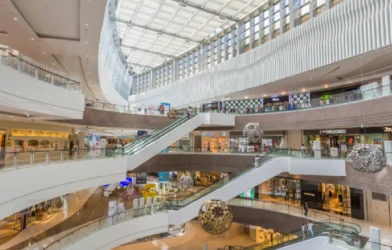
About $3.5 billion is set to be invested in India’s mall sector over the next three years as the entry of nearly 90 global brands since 2021 intensifies demand for high-quality retail real estate, according to a report by Anarock.
The inflow comes amid an acute shortage of Grade-A malls, with prime assets operating at 95–100% occupancy and long waitlists for premium locations, making India one of the most attractive retail investment markets globally.
Indian Grade-A malls typically deliver 14-18% IRRs, almost twice the yields seen in many Western markets where malls have nearly 40% vacancy level.
India has over 600 operational malls, but less than 100 meet the institutional benchmarks that attract global funds – triggering aggressive competition for top-tier assets.
Among the most attractive dynamics for global investors is that Indian malls have not capitulated to e-commerce and on the contrary, benefiting from it. India’s e-commerce penetration remains around 8%, far below the 20%-plus levels seen in China and the US.
Many D2C brands report that offline conversions are 2-3 times higher than online.
“Rental escalation cycles, consumption growth-linked revenue-sharing arrangements, and consistently low vacancies signal stability and upside for global capital seeking both yield and long-term growth,” the report said.
While the U.S. has witnessed a net closure of nearly 1,200 mall stores since 2020—with rising vacancies forcing almost 40% of empty malls to undergo rezoning or repurposing—India is experiencing a retail resurgence driven by strong consumer demand and growing institutional investor confidence.
“Several more global brands are in the pipeline, seeking space in the severely restricted Grade-A assets currently available,” said Anuj Kejriwal, CEO, retail leasing at Anarock.