Subtotal ₹0.00






Email :29
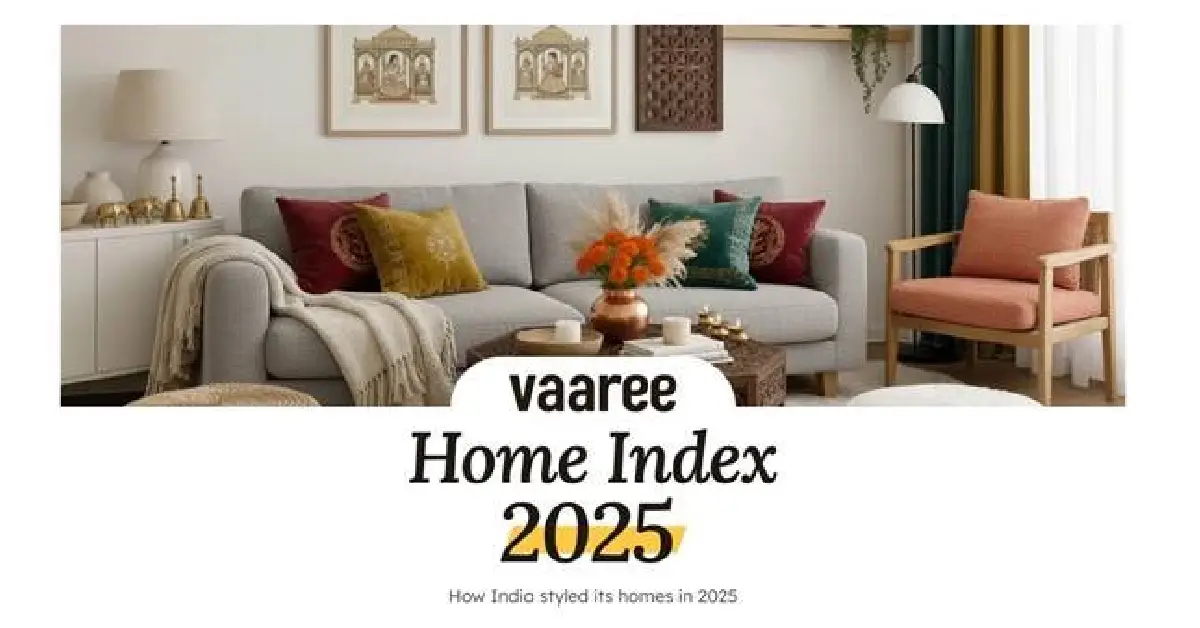
Torbit presents Varee Home Index 2025, highlighting how homes are evolving through everyday styling, comfort and space optimization choices.
A first-of-its-kind annual home index report, it offers a data-led view of how Indian homes are evolving through everyday styling, comfort, and space optimisation choices. Built on aggregated insights from over 500,000 customers, spanning 100,000+ products, 48 home categories, and 50 million browsing sessions, the report captures behavioural shifts shaping modern Indian living.
Rather than large-scale renovations, the findings reveal a growing preference for incremental, intentional upgrades, as homes increasingly serve multiple roles — workplace, retreat, and social space. The report finds that wall décor adoption grew 64%, emerging as the most common entry point into home styling. Home Storage & Organisation recorded 270% year-on-year growth, signalling a shift from hidden utility to visible design. Adoption of lamps and ambient lighting rose 70%, reflecting a move toward mood-led living environments. Rugs and carpets saw over 102% growth in GMV, alongside a 42% increase in average selling price of cushion covers, indicating rising investment in comfort-led upgrades. Browsing curated “Looks” delivered 580% higher conversion compared to product-led discovery.
Indian Homes Move Toward Coordinated Styling
The report highlights a structural shift in consumer behaviour. Instead of upgrading homes product by product, households are increasingly styling spaces through coordinated, cross-category combinations that balance aesthetics with functionality.
Walls have emerged as a primary surface for expression, with art styles such as Pichwai, Madhubani, macrame, and Jharokha-inspired décor gaining prominence alongside symbolic motifs like the Lotus, Evil Eye, and Tree of Life.Storage solutions — including racks, shelves, and organisers are increasingly treated as visible elements within living spaces rather than purely functional additions. Lighting adoption reflects a similar evolution, with households using lamps and ambient lighting to define zones for work, relaxation, and hosting.
Regional Trends Reveal Emerging Design Confidence
While trends were visible nationally, the report identified strong regional variations. Mumbai ranked highest across Style, Comfort, and Space-Saver indices. Jaipur emerged as India’s second most stylish city, climbing four positions year-on-year. Bangalore led adoption of space-saving and functional solutions. Emerging cities including Indore, Lucknow, and Nagpur recorded some of the fastest growth in styling adoption.
Trends to Watch
These shifts suggest rising experimentation and design confidence beyond metro markets. Trends that are likely to shape future home evolution include storage solutions that balance function and aesthetics, serving as baseline expectations and modular, corner-led updates replacing full-room makeovers. Comfort will evolve into a sensory experience combining lighting, texture, and visual calm. Tier-2 cities are playing a larger role in defining home styling trends.