Subtotal ₹0.00






Email :202
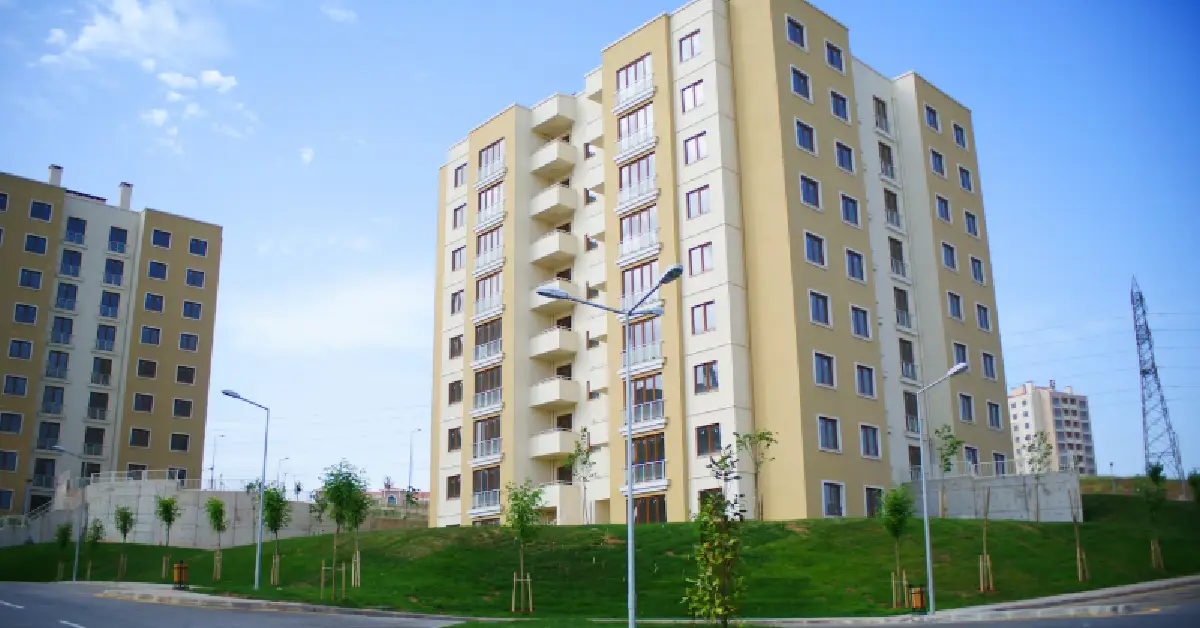
Housing markets across India’s top cities have witnessed a 15% price increase, as the 1 Finance Housing Total Return Index jumped from 228 in Sep-2024 to 263 in Sep-2025. The data identifies infrastructure development as the primary catalyst driving growth in key areas.
Key Highlights of Residential Real Estate Q3, 2025:
● Sales value hit ₹1.52 lakh crore
● Greater Mumbai is still India’s most expensive residential market at an average rate of ₹33,762 per sq ft
● Pune’s unsold inventory climbs to 2,69,348 units
● Hyderabad’s per sq ft rate climbs to ₹9,100, showing a 12% growth in a year, as the Regional Ring Road is set to improve connectivity to nearby districts and across the city
● In Delhi NCR, 60% of unsold inventory is older than 5 years, indicating a strong buyer shift toward newly launched premium apartments with modern amenities
The surge in residential prices is directly linked to infrastructure projects reshaping urban connectivity. As cities expand their commercial footprint, new infrastructure is bridging the gap between development and accessibility, transforming peripheral areas into prime residential hubs.
The Impact is Visible Across Major Cities:
● Bengaluru: The Namma Metro Phase 2 Yellow line is already operational, and Blue line operational by 2026, are set to decongest the tech corridor. This upcoming connectivity is a primary factor behind the 24% growth in Greater Bengaluru, linking commercial hubs to affordable housing.
● Hyderabad: Northern phase completion and Southern phase construction starting by early 2026, the Regional Ring Road establishes a critical logistics artery for Pharma City. This enhanced connectivity has simultaneously unlocked the region’s residential potential, driving significant demand for housing in the periphery.
● Greater Mumbai: The Aqua Line Metro, linking Aarey JVLR to Cuffe Parade, anchors 13% growth in the Central Suburbs, with a rate of ₹40,735 per sq. ft.
Sharing his viewpoint on this constant dilemma, Animesh Hardia, Senior Vice President of Quantitative Research at 1 Finance,said, “Real estate stands as the most misunderstood asset class. Its drivers of value are not well recognised, because on-ground intelligence is missing. Additionally, social media narratives portray it in a bad light using inaccurate comparisons, like comparing returns of top 50 companies of India with the entire real estate market. That’s flawed. Just like the top 50 are fundamentally strong companies, there are localities that have strong real estate fundamentals. What needs to be studied are employment trends, commercial, social and public infrastructure, and traffic patterns. Without that study, any recommendation on real estate is half-baked.”
Conclusion: Despite unsold inventory rising to over 11 lakh units across the top 8 cities, this has not hindered market growth. Infrastructure development is successfully bridging the gap between homes located on city outskirts and commercial spaces within or across the city, making these peripheral properties increasingly attractive to buyers.
While elevated supply in select regions may temper near-term appreciation, the broader market continues to be anchored by home buyers’ demand and infrastructure-led growth.