Subtotal ₹0.00







Email :225
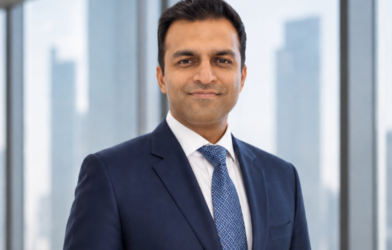
Saurab Saharan, Group Managing Director, HCBS Developments
Luxury, as we see it today, has evolved far beyond surface-level grandeur. For buyers, true premium living is no longer about ornate façades or oversized statements — it’s about how intelligently a home is designed to serve its residents over the long term. Modern homebuyers are evaluating livability just as much as aesthetics: efficient layouts that maximise space, greener and quieter surroundings, thoughtful low-density planning, and architecture that remains relevant for decades. Hence, luxury must deliver enduring value, offering comfort, well-being, and long-term appreciation that stands the test of time.
What is becoming increasingly clear is that long-term value has emerged as the real currency of luxury. In a market flooded with premium offerings, buyers are looking for homes that will remain desirable, functional, and high-performing over many years, and not just during the first few years of purchase. This shift has pushed developers to rethink luxury from a lifecycle perspective: how materials age, how layouts adapt as families evolve, how natural light and cross-ventilation reduce long-term dependence on artificial cooling, and how low-density planning lowers the maintenance burden for residents. The ability of a project to hold its value: financially, functionally, and experientially, is now the defining differentiator.
Today, the surge in luxury home sales has also created a new challenge- in a crowded luxury landscape, how does a project truly differentiate itself and deliver what buyers increasingly value — long-term certainty. What is equally shaping the new definition of luxury is the rising focus on long-term ROI. With rapid infrastructure development along emerging corridors like Dwarka Expressway — from improved airport connectivity and the upcoming commercial belt to expanding social infrastructure — buyers increasingly evaluate how a home will appreciate over the next decade, not just at the time of possession. Projects built with enduring materials, efficient layouts, and low-density planning naturally experience lower depreciation, stronger demand in the resale market, and more predictable maintenance costs. This ability of a home to retain performance and financial value, even as the market evolves, is becoming one of luxury’s strongest differentiators.
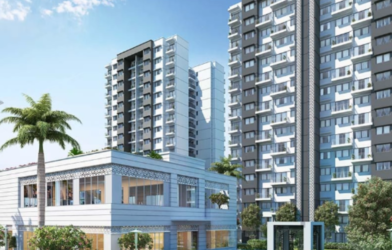
One of the most defining shifts in premium housing today is the growing preference for low-density living. Beyond the lifestyle appeal, low density is also a driver of long-term value: fewer families sharing infrastructure means amenities remain high quality for longer, maintenance costs are better optimised, and the overall project ages more gracefully. Developments planned with fewer residences spread across generous land parcels naturally offer greater privacy, abundant green cover, wider public realms, and a quieter, more breathable environment. With minimal units occupying expansive acreage, each family enjoys more openness and significantly less crowding.
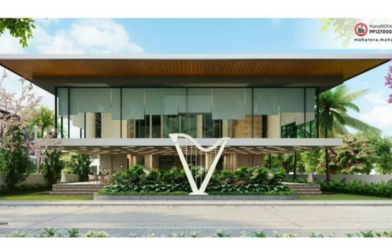
Equally important is how thoughtfully amenities are being curated to remain relevant not just today, but five to ten years from now. Developers are curating ecosystems that elevate both lifestyle and wellbeing. Large-format clubhouses now function as holistic lifestyle hubs featuring multiple indoor sports zones, wellness suites, children’s activity areas, and even nearly half Olympic-size infinity pools, all spread across expansive footprints that can span over a lakh square feet.
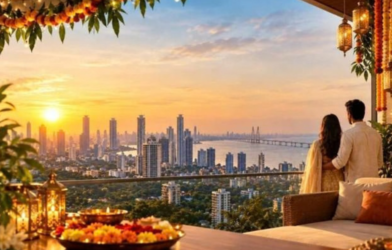
Ultimately, the true measure of luxury lies in how a home feels day after day in its airflow, its light, its privacy, and the quiet sense of comfort it creates. This focus on everyday livability: on spaces that restore, uplift, and protect one’s peace of mind, is becoming the catalyzing factor of future luxury, shaping how premium communities are envisioned and experienced.Thus, the evolution of luxury real estate will be driven far more by value than by price. It becomes clear that the most sought-after luxury addresses of the future will be those built on thoughtful planning and timeless value creation, not short-term market trends. In the end, the new definition of luxury rests on longevity — on homes that are designed to stay desirable, functional, and fulfilling for generations.