Subtotal ₹0.00






Email :108
With the real estate market maturing across asset classes and capital allocations towards emerging segments on the rise, alternate assets are in an accelerated growth phase.
Industrial & Warehousing
Amid robust demand and steady supply, Industrial & Warehousing market remained resilient with cumulative demand across the top 8 markets reaching 26.5 million sq ft in the first nine months of the year, reflecting an 11% YoY increase. Grade A space uptake stayed at an all-time high, even as global occupiers remained cautious amid ongoing trade uncertainties. Third-party logistics (3PL) players have continued to dominate leasing activity, accounting for nearly one-third of the warehousing demand. Simultaneously, e-commerce and engineering players have seen a surge in demand during this period, and this can potentially result in an annual demand of 30-40 million sq ft. New supply is also likely to remain elevated at 35-40 million sq ft in 2025.
India’s industrial & warehousing segment is poised for another year of strong expansionary growth in 2026, as 3PL players accelerate Grade A space demand across Tier I cities and emerging hubs. The continued rise of e-commerce and q-commerce will fuel the proliferation of hyperlocal facilities such as micro-fulfilment centers, dark stores, and in-city warehouses, enabling faster and agile deliveries. Additionally, rising traction in Tier II & III cities will be supported by enhanced regional connectivity through expressways, dedicated freight corridors, industrial corridors, and upcoming Multi-Modal Logistics Parks (MMLPs), that would further expand the country’s logistics capabilities. Overall, the industrial & warehousing segment is likely to see about 30-40 million sq ft of average annual demand over the next few years.
· Plug-and-play industrial hubs are becoming the go-to option for occupiers seeking faster setup and minimal groundwork. With utilities, core infrastructure and compliance-ready units already in place, these parks enable businesses to ramp up operations rapidly. Additionally flexible layouts, integrated support services and ability to reduce time-to-market will continue to make these facilities a strategic fit for scalable growth in 2026.
· Strong policy push and better implementation of flagship programmes such as Make in India, the Production-Linked Incentives (PLI) scheme, and Gati Shakti masterplan, are likely to accelerate India’s transformation into a competitive manufacturing hub. This policy momentum stands to benefit occupiers, enabling them to expand at scale . Warehousing deals of 200,000 sq ft or more will drive around 40-50% of the Grade A space uptake in 2026. Backed by improving infrastructure, enhanced connectivity and regulatory incentives, 3PL, engineering, and automobile occupiers are particularly expected to opt for larger, future-ready warehouses across key logistics corridors of the country.
· Logistics hubs in Tier II/III cities poised to emerge as key growth engines. As India’s infrastructure network continues to expand through new expressways, dedicated freight & industrial corridors and Multi-Modal Logistics Parks, industrial activity will increasingly extend beyond established Tier I cities. While leading markets will still command a significant share of demand and supply, Tier II & III cities are expected to gain far greater prominence in 2026 as enhanced connectivity and logistics efficiency open new avenues for regional growth. Rising freight movement along key infrastructure corridors will spur demand for modern warehouses, logistics parks, and manufacturing facilities across the country.
· Hyperlocal distribution models to amplify warehousing requirements. The surge in e-commerce and rapid-delivery platforms will accelerate the need for compact, neighbourhood-centric storage solutions. Retailers and logistics operators are expected to expand their footprint in localities closer to high-demand neighbourhoods to ensure faster delivery timelines. At the same time, dark stores built specifically for quick pick-up & dispatch, will play a pivotal role in optimizing last-mile efficiencies throughout 2026. These shifts will reshape urban supply chains, prompting greater investment in localized warehousing formats and agile fulfilment centers.
As EV manufacturing ramps up, requirements for specialized facilities like battery storage, component manufacturing, electronics, and service logistics will intensify, thereby contributing significantly to the annual warehousing demand over the next few years.
Institutional grade assets to pave the way for future REITs.In 2026, the demand for ESG compliant and technology adept Grade A warehouses & logistics parks is set to rise further. With developers adopting global standards in design, sustainability, and automation, the segment is expected to draw deeper institutional capital and accelerate the inclusion of premium warehouses in future REITs/InvITs.
Data Centres
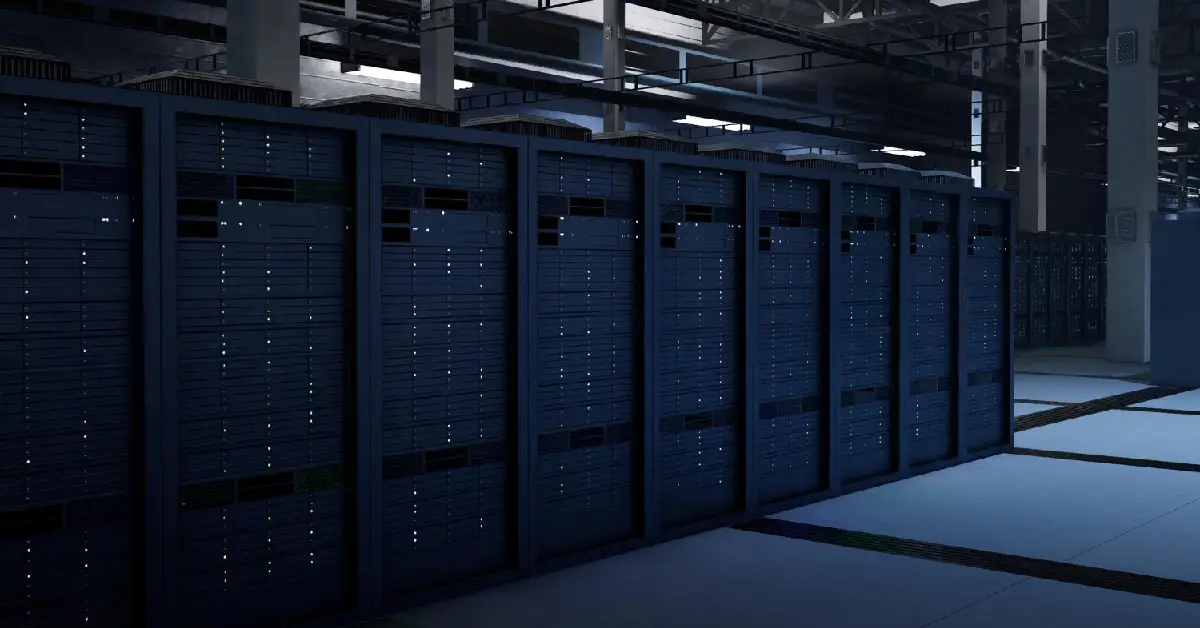
Alternative asset classes such as Data Centers (DC), senior living, co-living etc. continued to expand in India, amid compelling growth prospects. As of 2025, the country’s DC market has significantly scaled up to more than 1,300 MW capacity entailing a real estate footprint of nearly 16 million sq ft across the top seven markets (more than 2X growth in last five years). This growth is being propelled by surging demand for cloud and digital services, accelerated adoption of AI and IoT, deeper internet penetration, regulatory push and stricter data localization norms.
AI & cloud computation are redefining the DC ecosystem of India supported by strong government initiatives and growing traction in machine learning and cloud-based services. With the AI market projected to reach USD 17 billion by 2030, the demand for high-performance DC infrastructure is set to gain traction in next few years. DC operators are likely to focus more on AI-powered, built-to-suit and controlled colocation models to ensure data security, regulatory compliance, and low-latency processing. As these trends converge, India’s overall DC capacity is expected to rise to 2 GW in the next few years, expanding into smaller markets driven by rapid digitalization, e-commerce penetration, and state-specific data center policies. In the coming years, growing emphasis on edge computing and increasing 5G roll-out will accelerate development of edge data centers. Leading operators have already announced plans to expand edge DCs across 200+ locations in the next few years. Moreover, as data consumption continues to grow manifold, energy efficiency, sustainability and carbon emissions are likely to become focal considerations in the Indian DC market.
Senior Living & Co-Living
Alongside the digital push, shared living formats such as senior and co-living have seen an upward growth trajectory led by demographic shifts and changing lifestyle preferences. As of 2025, co-living and senior living inventory has reached 0.3 and 0,03 million beds, translating into a penetrating rate of 5% and 2% respectively ,which is still at the nascent levels.
Senior Living
Today, there is a rising demand in Tier II cities and spiritual hubs.Apart from Tier I cities, senior living is set to gain traction in Tier II cities such as Surat, Coimbatore, Kochi & Panaji and spiritual tourism destinations like Vrindavan, Ayodhya, Dwarka & Rameshwaram driven by expansion of reputed developers, improving infrastructure and inclination towards slower pace of life and cultural experiences. NRIs are showing growing interest in senior living projects, particularly in hubs like Kerala, Delhi NCR, Bengaluru, and Hyderabad viewing them as safe, community-driven options for ageing parents. Additionally, institutional investors are recognizing the untapped potential in the segment, which will alleviate supply-side constraints to a certain extent in the upcoming years.
Co-Living
Amid market consolidation and formalization and expansion beyond Tier-1 cities, co-living segment is entering a new phase of growth, underpinned by urban migration, rising disposable incomes, and demand for hassle-free, community-driven housing among students and young professionals. In the next 1-2 years, the segment’s organized inventory is likely to double, improving penetration from 5% to 8-10%. While Tier I cities will remain the primary market, operators will increasingly foray into Tier II cities through acquisition of unorganized players, Purpose-Built Student Accommodation (PBSA) and partnerships with educational institutions. As co-living gets formalized to a greater degree in India, efficiencies, occupancy levels and profitability margins are likely to improve significantly in the coming years. The segment’s next phase of growth will be powered by asset-light strategies and technology-driven experiences such as keyless entry, app-based management, and IoT-enabled services. While lease models will dominate the co-living segment, franchise & revenue-sharing models will also gain traction in 2026, enabling faster expansion through local partnerships particularly in Tier II/III cities.
Outlook For 2026
Looking ahead to 2026, alternate asset classes are poised for sustained momentum as investors seek diversification and enhanced risk-adjusted returns. With India’s real estate market maturing across asset classes, capital allocation towards these emerging segments is expected to rise further. This trend signals a structural rebalancing of investor portfolios, positioning alternative assets as strategic growth engines of the future.