Subtotal ₹0.00






Email :190
By Samyak Jain
The year 2025 marked a phase of consolidation and renewed momentum for Mumbai’s residential real estate market. After a cautious start, buyer confidence strengthened steadily, reaffirming Mumbai’s position as one of India’s most balanced and fundamentally end-user-driven housing markets. Supported by improving affordability, stable pricing across key micro-markets, and a maturing demand profile, the city demonstrated resilience even as other metropolitan markets experienced sharper volatility.
A key driver was the accommodative monetary environment. The Reserve Bank of India’s cumulative rate cuts of 125 basis points, bringing the repo rate to 5.25% by December 2025, translated into meaningfully lower home-loan interest rates. This improved affordability by reducing EMIs, enhancing loan eligibility, and accelerating purchase decisions—particularly among first-time buyers and upgrade seekers. For developers, lower borrowing costs supported smoother execution cycles and greater confidence in advancing project pipelines.
Policy-level measures further strengthened the sector. Streamlined approvals, rationalisation of GST on construction inputs, and continuation of tax incentives improved project viability while keeping pricing competitive. Stronger regulatory oversight resulted in a more organised supply environment, improving buyer trust and favouring credible, execution-focused developers.
Central and eastern suburbs such as Wadala, Chembur, and Ghatkopar remained among Mumbai’s most active residential zones, benefitting from metro connectivity and proximity to employment hubs. While 2 and 3 BHK homes dominated demand, preference for premium, lifestyle-oriented developments also increased.
Buyer preferences evolved meaningfully. Homebuyers became increasingly quality-conscious, prioritising efficient planning, lifestyle amenities, construction quality, and assured delivery timelines. The shift from speculative buying to need-based purchases further reinforced Mumbai’s profile as a structurally end-user-led market.
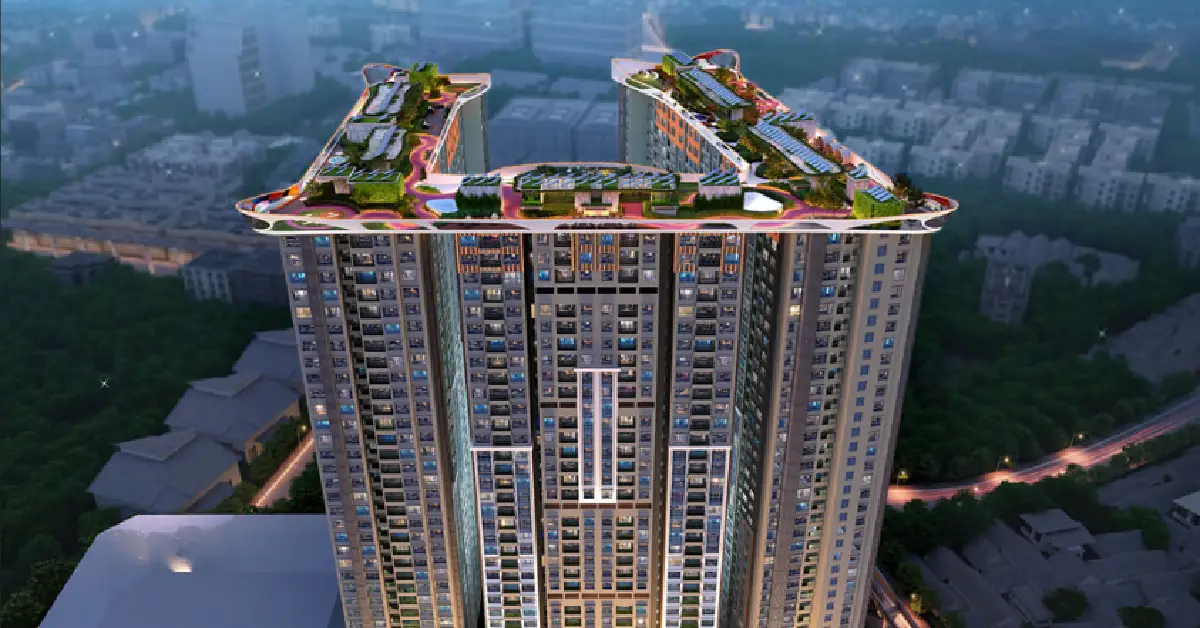
For Siddha Sejal Group, 2025 was a year of disciplined execution and steady demand momentum. We witnessed healthy growth in enquiries and conversions across our mid-segment and lifestyle residential offerings in Wadala. Our focus on timely construction progress, efficient layouts, and amenity-led development resonated strongly with buyers.
As we enter 2026, we remain optimistic about Mumbai’s outlook. We are proud to introduce our revolutionary ‘Done Delivery’ model at our Wadala project for the first time in Mumbai reinforcing innovation, transparency, and customer first belief. We remain committed to delivering high-quality developments that create long-term value while contributing meaningfully to Mumbai’s evolving urban landscape.
(The author is Director, Siddha Group. Views are personal)