Subtotal ₹0.00






Email :149
Long known for its regal heritage and cultural elegance, Lucknow is now entering a new phase where growth is being shaped by infrastructure and outward expansion. A network of expressways, expanding metro connectivity, and the rise of planned urban corridors are pushing development beyond the city’s traditional core, transforming what were once peripheral locations into self-sustained residential and commercial ecosystems.
According to recent data from property consultant ANAROCK, land transactions in the first half of 2025 have already surpassed full-year 2024 volumes, with Tier-II and III cities outpacing Tier-I markets. In Lucknow, this momentum is being driven by expressway-linked corridors such as Sultanpur Road, Faizabad Road, Shaheed Path, and the Outer Ring Road, which are fast emerging as the city’s next growth hubs, backed by genuine end-user demand and long-term investor confidence, according to a report by indiatvnews.com.
Demand is particularly strong in cities such as Ayodhya, Lucknow, Chandigarh, Ludhiana, Indore, Rishikesh, Prayagraj, Dehradun, Amritsar, Vrindavan, Sonipat and Goa, where infrastructure upgrades, improved connectivity and tourism-led investments are reshaping real estate value.
In Lucknow, growth is now unfolding well beyond its traditional city limits. New corridors such as Faizabad Road, Sultanpur Road, Shaheed Path, and the Outer Ring Road belt are rapidly emerging as the city’s next-generation development hubs. What once felt like the periphery is evolving into a network of self-sustained ecosystems, where residential neighbourhoods sit seamlessly alongside retail spaces, educational institutions, healthcare centres, and recreational zones.
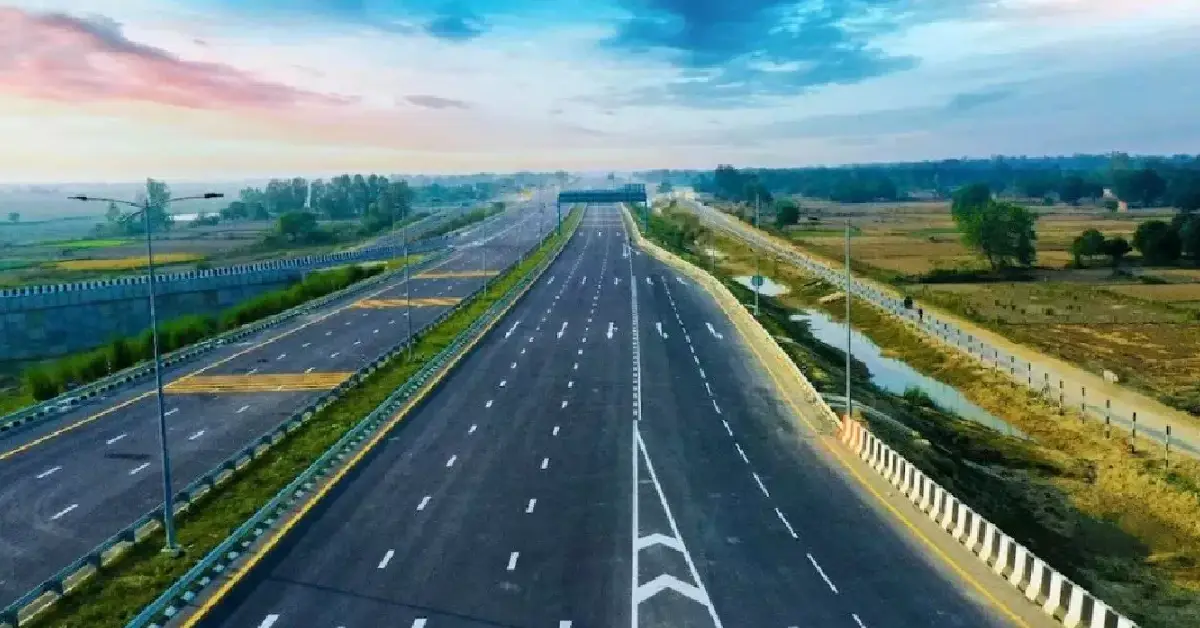
Driving this outward momentum is a strong wave of infrastructure that has completely reshaped how Lucknow connects with the rest of Uttar Pradesh. The Purvanchal Expressway has opened seamless access to the eastern belt and the Varanasi region, while the upcoming Lucknow–Kanpur Expressway is set to become a major commercial and industrial artery. Within the city, the metro’s steady expansion is transforming everyday mobility, making travel faster, smoother, and far more predictable. Together, these developments are unlocking fresh economic corridors, strengthening logistics, and drawing investors who increasingly see Lucknow as a gateway to North India’s next phase of growth.
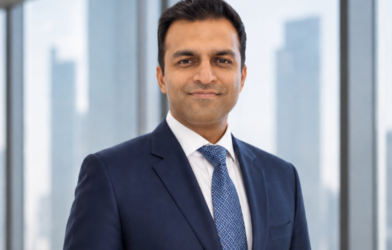
According to Mohit Goel, Managing Director, Omaxe Group, the expressways have expanded Lucknow’s economic geography.
“The Purvanchal and Agra–Lucknow expressways, along with the upcoming Ganga and Kanpur–Lucknow corridors, have redefined accessibility and opened entirely new development frontiers. You can see this momentum clearly along the Outer Ring Road and Raebareli Road, where demand is being driven by long-term confidence rather than speculative interest. What excites us is that Lucknow’s growth today is rooted in planned infrastructure, liveability, and rising economic activity, making it one of North India’s most compelling real estate markets,” Goel said.
Preksha Singh, CEO, Agrasheel Infratech, said that Lucknow’s growth story has decisively moved outward, and the expressways have been the biggest catalysts.
“Locations like Sultanpur Road and Shaheed Path are becoming well-planned, livable neighbourhoods with schools, parks, healthcare, and retail evolving in sync. Homebuyers want more than a house now; they want breathing room, seamless mobility, and everyday conveniences. As developers, we see it as our responsibility to design homes that reflect this new urban mindset, bringing comfort, safety, sustainability, and affordability together to create genuinely future-ready communities,” Singh added.
As these infrastructure corridors take shape, they’re also reshaping investor sentiment, leading to a steady rise in confidence across the market. Expressway-linked micro-markets are witnessing consistent price appreciation, driven not by speculation but by genuine end-user demand and long-term value creation. NRIs and local buyers are gravitating toward these zones, recognising the stability and future potential they offer. This shift has encouraged Grade-A developers to deepen their presence, with a growing focus on plotted developments, villas, and integrated mixed-use communities. The result is a market that feels both mature and aspirational: one where investment is guided by clarity, conviction, and a belief in Lucknow’s evolving promise.
Yash Miglani, Managing Director, Migsun Group, feels that the most interesting shift in Lucknow is that these expressways are quietly reshaping buyer psychology.
“Areas like Sultanpur Road, Faizabad Road, and the Outer Ring Road aren’t being viewed as outskirts anymore; they’re becoming the ‘next city’ for families who want space, cleaner environments, and strong future prospects. What stands out is the quality of demand: people are choosing these locations not for quick returns but because they see them as long-term anchors for living and investment. This is where Lucknow’s next decade of value creation will truly unfold,” Miglani concluded.