Subtotal ₹0.00






Email :108
India’s residential real estate market entered a decisive new phase in 2025, shifting from volume-led expansion to a more mature, value-driven growth cycle, according to a latest report by the Indian Chamber of Commerce (ICC) and ANAROCK.
Housing sales across the top seven cities declined 14% year-on-year to about 3.96 lakh units; however, total transaction value rose 6% to cross ₹6 lakh crore—clearly signalling that higher ticket sizes and premium housing are now driving the market.
This divergence between volume and value reflects a structural shift underway in Indian housing. After a muted price phase between 2015 and 2019, residential prices surged nearly 54% during 2019–24, aided by post-pandemic recovery, infrastructure spending, and consolidation among large developers. In 2025, price growth moderated to a healthier ~8%, pointing to a more sustainable and end-user-driven market.
Anuj PuriAnuj Puri, Chairman – ANAROCK Group, says, “One of the most striking changes is in demand composition. Homes priced below INR 75 lakh, which accounted for nearly 60% of sales in 2021, now make up just ~32% of the market. In contrast, luxury and ultra-luxury housing has expanded rapidly, supported by rising incomes, lifestyle upgrades, and improved affordability among urban buyers.”
“Luxury homes priced above ₹4 crore now contribute ~18–20% of total sales in the top seven cities, compared to just 1–2% before the pandemic,” says Puri. “The ultra-luxury segment – homes priced at INR 40 crore and above – recorded a sharp ~66% jump in sales in 2025, with the Mumbai Metropolitan Region (MMMR) accounting for over 70% of such transactions.”
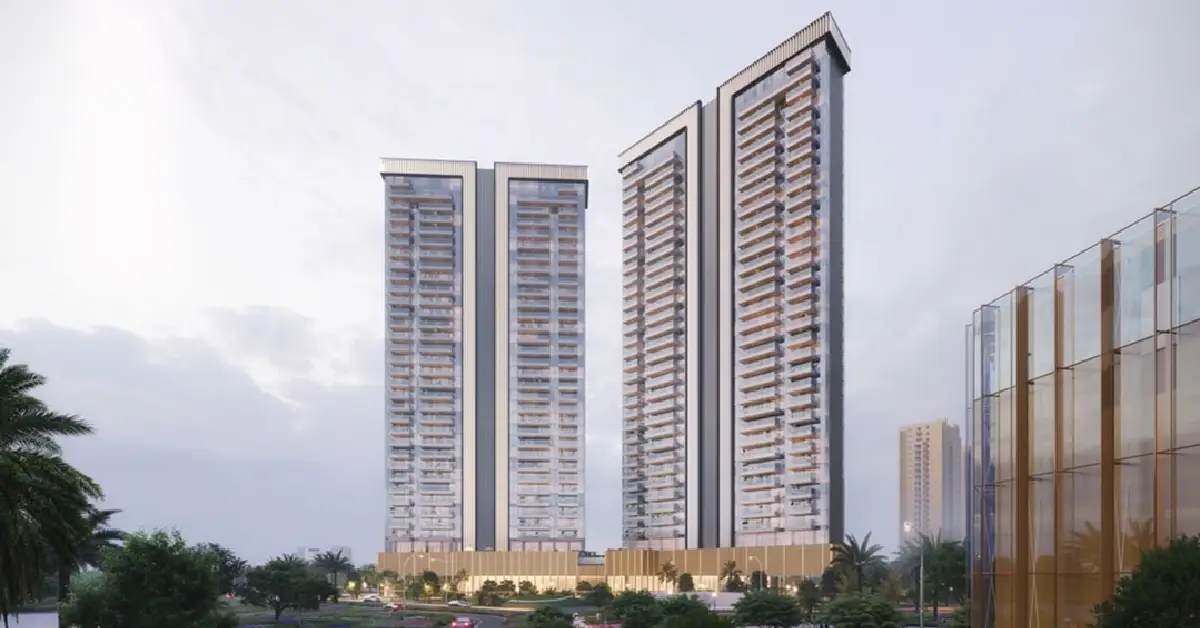
A structural shift in demand is evident as affordable housing gives way to luxury segments, driven by higher incomes and evolving lifestyles. Tier I cities lead, Tier II markets gain traction, and larger, wellness-focused, amenity-rich homes redefine residential preferences.
The outlook remains firmly positive. Lower interest rates, rising per capita incomes, infrastructure-led urbanization, growth in Global Capability Centres, increased FDI inflows, and under penetration of housing finance provide strong tailwinds.
The report further highlights a clear trend toward larger homes. The preference for 3BHK and larger units has risen to nearly 45–50%, up from about 30% in 2018. Average unit sizes across major cities have expanded by roughly 40% since 2021, led by NCR, where home sizes have nearly doubled between 2022 and 2025.
On the supply side, the market has become increasingly institutionalized. Listed and Grade-A developers now account for ~45% of total residential supply, up from 28% five years ago, reflecting stronger balance sheets, execution capability, and growing buyer trust.
Macro fundamentals continue to support the sector’s long-term outlook. Private consumption contributes nearly 60% of India’s GDP, government capital expenditure has tripled since FY19, and the banking system remains strong with net NPAs at multi-decade lows. Importantly, India’s mortgage-to-GDP ratio stands at just ~11%, significantly lower than global peers, underscoring the sector’s under-penetration.
As India progresses toward a USD 7.3 trillion economy, the report underscores that residential real estate is no longer just a cyclical play – but a structural pillar of economic growth, capital formation, and urban transformation.