Subtotal ₹0.00






Email :111
As India pursues its ambitious Viksit Bharat 2047 goal of becoming a fully developed economy by 2047, real estate is emerging as a central pillar of this transformation. A joint report by KPMG and National Real Estate Development Council (NAREDCO) highlights that the sector’s market value, currently estimated at ₹26.4 trillion in 2025, could expand to ₹88 trillion by 2030 and potentially reach ₹440–617 trillion by 2047.
Beyond numbers, the report underscores a structural shift in buyer behaviour, with next-generation homeowners prioritising ready-to-move, smart, and community-driven housing formats over traditional prestige-driven purchases.
The market has the potential to reach a value between Rs 440 trillion and Rs 617 trillion by 2047. Real estate GDP contributions are projected to rise from 7 to 8 per cent in 2025 to 12 to 14 per cent by 2030, and 14 to 20 per cent by 2047, emphasising the sector’s role as a growth and productivity enabler.
The report stated that currently, real estate supports roughly 70 million jobs across construction, sales, design, and related industries. By 2030, this number could approach 100 million. Every new project also drives demand for cement, steel, bricks, paint, glass, fittings, logistics, and services, spreading income across the economy.
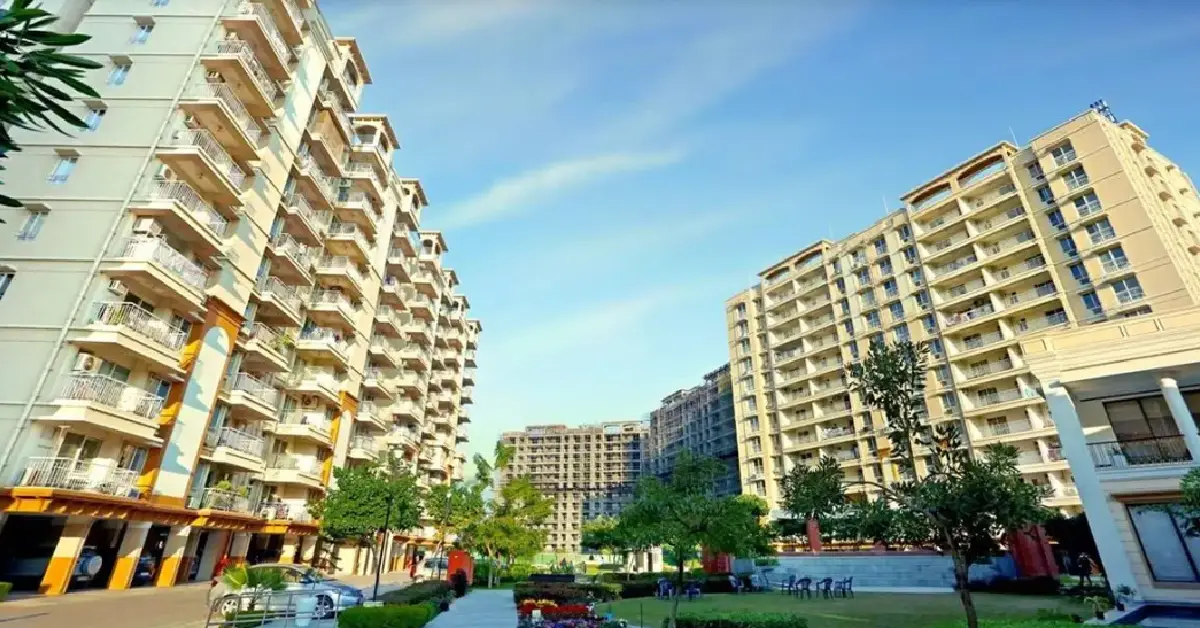
The report highlights a significant shift in buyer profiles. Younger, first-time buyers are entering the market earlier and with new expectations. They prefer ready-to-move homes over under-construction projects, practical and smaller but smarter layouts, amenity-rich communities with gyms, parks, coworking spaces, and peripheral locations over central, expensive areas. Affordability and space are now prioritised over prestige addresses.
Ready-to-move homes over under-construction projects
Amenity-rich communities, including gyms, parks, coworking spaces, and cafes
Practical layouts that are smaller but smarter
Peripheral locations over central, expensive areas
Affordability and space over prestige addresses
New housing formats: Senior living and co-living
The report highlights emerging housing formats to meet changing demographic needs:
Senior living: Retirement communities with medical facilities, activities, and social infrastructure; growing as life expectancy increases
Co-living: Shared apartments for young professionals offering privacy in private rooms with shared kitchens, gyms, and social spaces. The arrangement delivers lower costs per person (per-capita costs) and attracts workers who frequently change their job locations.
Shifts in developer strategies and buyer preferences
The real estate market is witnessing significant shifts in developer strategies, buyer preferences, and product offerings:
Developers are increasingly offering price cuts, flexible payment plans, and ready-to-move homes, emphasising volume for value.
Buyers are becoming more selective, driving demand toward stronger, branded developers with proven delivery track records.
Real estate products are being upgraded, with a greater focus on better layouts, improved amenities, and green features that enhance everyday living, rather than simply increasing the number of units.
Urban migration and infrastructure growth
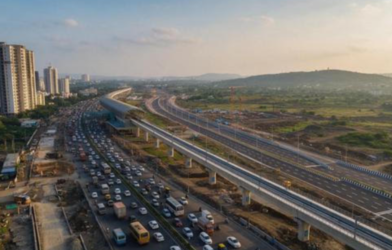
India’s urban population is expected to grow from 543 million in 2025 to roughly 675.5 million by 2035 and 900 million by 2047. The report notes that more than 50 per cent of the infrastructure required for 2050 is yet to be built, implying capital requirements exceeding Rs 218 trillion. As connectivity improves through large infrastructure projects, growth is expected to move outward from crowded mega-cities into peripheral and tier-II/III cities, spreading jobs, housing, and investment more evenly.