Subtotal ₹0.00






Email :23
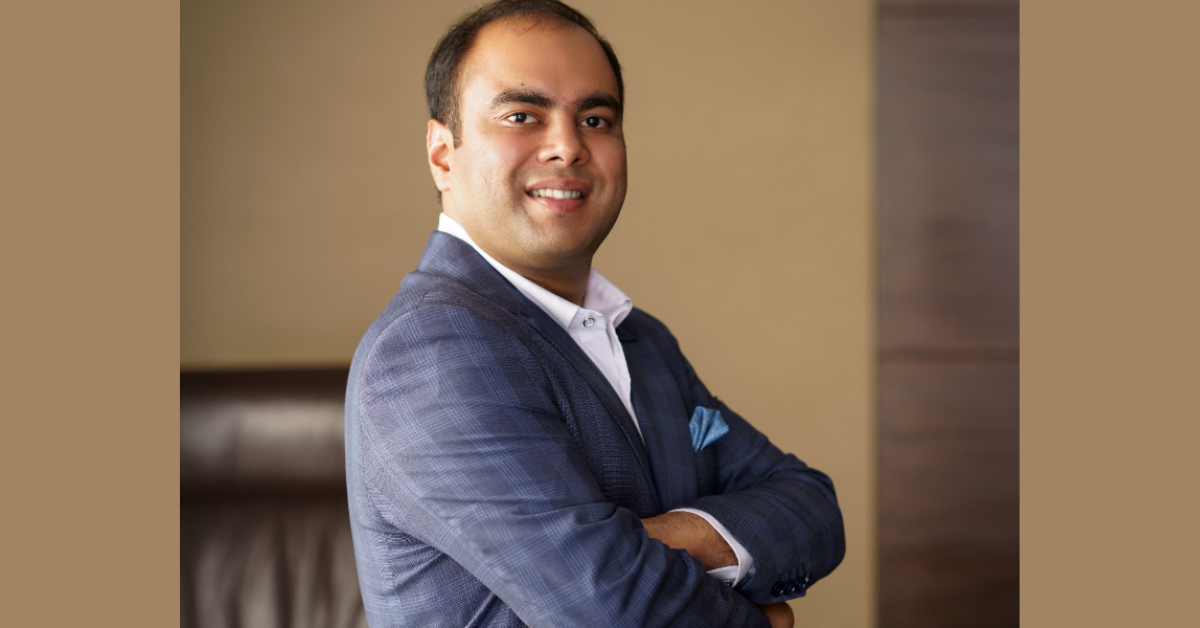
By Sahil Agarwal
India’s luxury housing market is moving beyond bigger homes, prime locations and premium specifications. For affluent buyers, the proposition increasingly extends to the services, standards and lifestyle associated with a residential community. This is creating space for a model that brings real estate together with established brands from hospitality, sports, wellness, design and other lifestyle categories.
Branded residences are gaining momentum in this environment. According to KPMG in India, India ranks sixth globally in terms of branded residence projects and accounts for around 4% of global supply. The market is currently valued at about USD 5 billion, while the number of branded homes has grown by 55% over the past five years and by more than 160% over the past decade. For developers, this growth signals an emerging opportunity to create a more differentiated proposition within an increasingly competitive luxury housing market.
Beyond the Address: What Makes a Residence Branded?
A branded residence is not simply a premium property carrying a recognised name. Its value comes from bringing the brand’s standards, capabilities and identity into the residential environment. The model has traditionally been associated with hospitality, where service quality and operating standards form a significant part of the proposition.
The category is now widening. A sports brand can bring professional swimming or tennis coaching into a residential community; a wellness partner can develop structured programmes around fitness, yoga, meditation and recovery; and education or children’s development partners can introduce sports, learning and skill-building programmes. The difference is between providing an amenity and bringing a specialist proposition around it.
For buyers, this can make the residential offering more relevant to everyday life. For developers, it creates another layer of differentiation beyond architecture, specifications and location.
Why Developers Are Looking at the Model
For developers, branded partnerships can address a fundamental challenge in luxury housing: how to make one premium project stand apart from another.
A recognised brand can bring credibility and a clearly defined proposition, while the developer contributes its understanding of the local market, land, construction and residential delivery. When the two sides are aligned, the partnership can create a product that is difficult to replicate simply by adding more amenities.
It can also influence how a project is planned from the outset. A sports-led development, for example, may require professional-grade infrastructure, dedicated training areas and operational support. A wellness-focused project may need spaces and services designed around regular programmes rather than occasional use. In both cases, the brand partnership has implications for design, operations and the resident offering, not just marketing.
This makes the quality of the partnership critical. The brand needs to remain involved enough to maintain its standards, while the developer needs to ensure that the proposition works within the economics and operational realities of a residential project.
From Branded Homes to Branded Communities
The next phase of branded residences in India could therefore be less about putting a recognised name on a building and more about building an integrated residential proposition around that association.
A family-oriented project could combine professional sports training, wellness programmes, recreation and learning opportunities within one community. A premium development could bring together hospitality, fitness and wellness services that residents use regularly rather than treating them as occasional privileges.
This also gives developers an opportunity to move away from the conventional race to add more features to a project. The focus shifts from how many amenities a development has to who operates them, what expertise they bring and how residents use them.
As India’s luxury housing market continues to mature, that distinction could become increasingly important. Branded residences are creating a new development model in which the brand is not merely a name attached to the property, but part of the product itself. For developers willing to invest in the right partnerships and deliver them consistently, that could become an important way to build relevance and differentiation in India’s evolving luxury housing market.
(The author is CEO, Nimbus Group. Views are personal)