Subtotal ₹0.00






Email :101
As retail real estate shows steady leasing momentum, high streets are witnessing higher rental appreciation in key micro-markets amid limited premium mall inventory.
According to Anarock Retail RELEAP 2026 Report, despite a dynamic market environment, retail absorption across India’s top 7 cities stood at about 4.3 msf in H2 2025, with experience-led, engagement-driven paradigm fundamentally reshaping the country’s organized retail landscape.
Says Anuj Kejriwal, CEO-Retail & CEO- EMEA, Anarock Group, “India’s retail real estate story is entering its most exciting chapter as the sector moves decisively beyond square footage and rental metrics to deliver experiences that consumers cannot find online. “The report, which tracks retail real estate trends across India’s top 7 cities, underscores a market that is not just growing — it is maturing, diversifying, and becoming increasingly sophisticated in its demand patterns.
The resilient leasing momentum with a total retail absorption touching 4.3 msf in the second half of last year, signals sustained retailer confidence in physical formats and long-term commitment to brick-and-mortar expansion strategies. Demand was led by apparel, followed closely by entertainment, hypermarkets/supermarkets, and food & beverages — categories that collectively commanded a dominant share of leasing activity during the period. The trend clearly reflects a consumer preference for spaces that offer more than just products: they offer purpose, engagement, and a reason to visit. Mid-sized store formats ranging from 1,000 to 5,000 sq. ft. continued to dominate transactions, underscoring the industry’s appetite for scalable, efficient retail units that balance brand visibility with operational viability. For retailers navigating cost pressures while scaling footprints, this format has emerged as the sweet spot.
The development pipeline remains strong on the supply side, with Delhi NCR and Hyderabad together accounting for nearly 70% of upcoming retail supply. This concentration of activity signals developer confidence in these high-growth corridors and their ability to absorb institutional-grade retail inventory over the near to medium term. The pipeline also reflects a broader trend of developers pivoting towards destination-format malls and mixed-use developments — spaces that blend retail, entertainment, dining, and wellness into cohesive consumer destinations.
Today, retail presents a richly diversified demand landscape across cities, each narrating its own retail story. NCR and MMR witnessed strong traction in apparel and entertainment-led leasing, reflecting the aspirational consumer profile and high-footfall mall culture in these markets. Hyderabad and Bengaluru saw greater participation from anchor-driven categories, including hypermarkets and family entertainment centres (FECs), pointing to the growing importance of community-oriented retail ecosystems in these tech-savvy, young-demographic cities. Chennai, meanwhile, continued to reflect demand skewed towards discretionary categories such as apparel and jewellery, consistent with its traditionally strong retail culture in these segments.
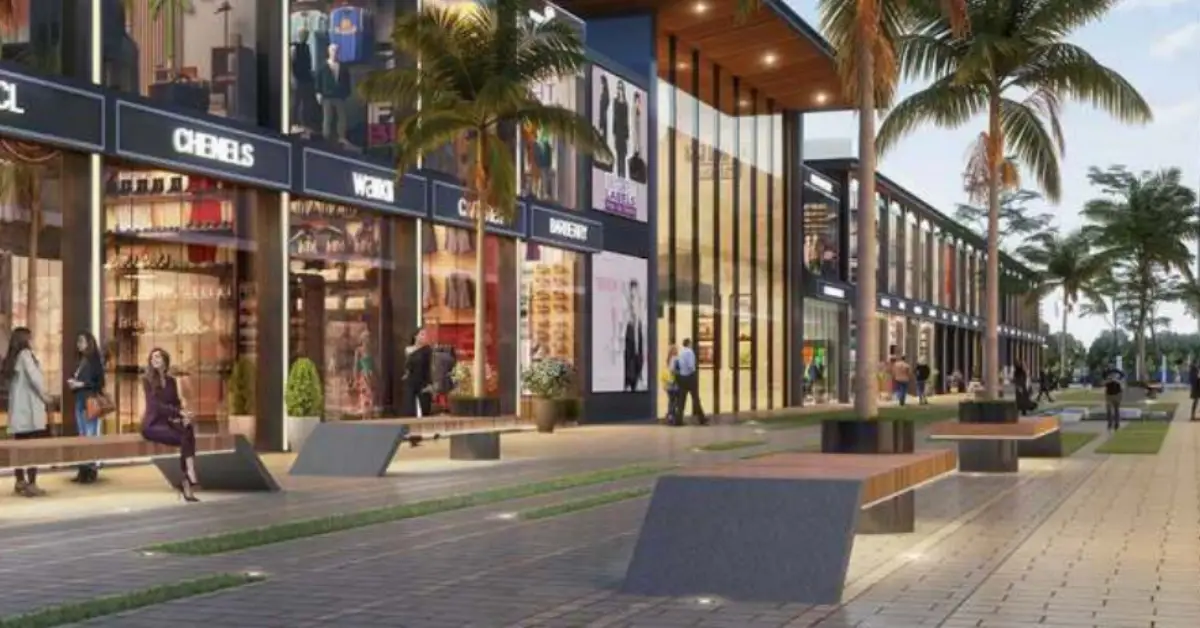
Mapping the High-street leasing, key high-street micro-markets across cities saw notable rental appreciation, supported by strong absorption of available space. However, this trend is not purely demand-driven.
With vacancy levels in premium malls remaining constrained, several brands — particularly across fashion, luxury, and F&B — are increasingly turning to high streets as an alternative route to expansion. In many cases, high-street locations are being leveraged to maintain market presence and growth momentum in the absence of available mall inventory.
In contrast, mall rentals remained broadly stable, with selective growth concentrated in high-performing Grade A assets. This divergence suggests that while premium malls continue to thrive, the wider mall ecosystem is under pressure to differentiate through curation, experience design, and anchor mix.
With a strong pipeline of institutional-grade developments entering the market and retailer strategies continuing to evolve towards experience-first formats, India’s retail real estate sector is well-positioned for sustained growth over the near to medium term as improving consumption trends, a rising middle class, and a rapidly maturing organized retail ecosystem provide a powerful structural tailwind.