Subtotal ₹0.00






Email :33
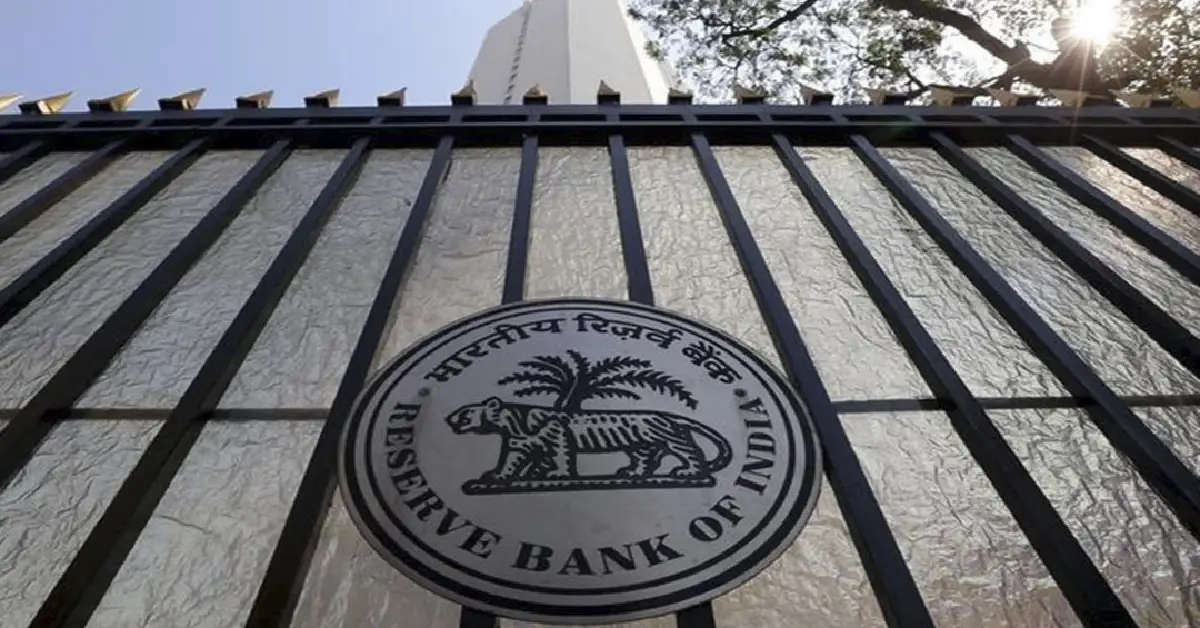
Both FY ’27 budget, devoid of direct push to real estate, particularly affordable residential realty and RBI’s February 2026 credit policy keeping repo rate unchanged, have failed to take the much-needed initiatives to boost housing affordability.
Vinod Behl
Amid continuous dip in housing sales over the last couple of years due to unaffordable prices, there was a case for another 25 bps rate cut to boost affordability for both homebuyers and developers to rekindle demand and supply of affordable/budget housing.
Affordable housing has been under severe strain with its share crashing from 38% in 2019 to just 18% in 2025, as per Anarock data. PropEquity data points to 12% decline in housing supply and 11% decline in housing sales in 2025. In such a scenario, interest stimulant in the recent RBI Credit policy would have provided the much-needed relief, especially when the FY ’27 budget failed to provide tax incentives to buyers and developers of affordable homes to push demand and supply.
Though with rate pause, home buyers will not be further burdened with interest outgo, yet it will not push demand from price-sensitive home buyers of affordable housing in the wake of elevated prices. In the absence of fresh rate cut many fence sitters will remain in the wait and watch mode, hesitating to take a plunge at this juncture.
So, now the big question is – Is monetary policy easing behind us and is it end of the rate cut cycle? Are we going to see a prolonged pause? Now that India- US trade pact will brighten the growth prospects, many economists believe that the apex bank may not be under immediate pressure to further cut rates to push growth. However, there is still an environment of uncertainty due to heightened
global tensions which may drag GDP growth, necessitating another rate cut in the next quarter.
As presently volatile global geopolitical environment and declining rupee prevents RBI to go for further rate cut, it is all the more significant for the central bank to ensure faster transmission of rate cuts undertaken last year. During February-December 2025, RBI cumulatively undertook i25 bps rate cut of repo rate from 6.5% to 5.25%. Between February and November 2025, external benchmark-linked rate applicable to floating loans was eased by 100 bps. Overall, lending rate fell by just above 60% against 100% cumulative rate cut. Clearly, the full benefit of rate cuts is yet to be passed on to homebuyers.
In this situation, in order to ease the interest burden, there is a window of opportunity for existing homebuyers (who had taken home loan at 8% interest rate or more) to explore balance transfer option as many banks have brought down interest rates to around 7.5%. Banking experts like Adhil Shetty, CEO of Bank Bazaar suggest borrowers to optimize costs by keeping EMIs higher to shorten loan tenures, in turn reducing interest outgo.
Going forward, what will be the road ahead for home loan rates? Considering that economy remains stable with GDP projected to grow at 6.4% in FY ’27, if inflation remains manageable and global risks are under control, we may well see further 25 bps rate cut in Q1 FY’27. Adding to this, the National Housing Bank (NHB) has urged large home financiers to reduce prime lending rates. HFCs are expected to considerably transmit past rate cuts in April when during their annual review, their internal benchmarks are reset. Further, hope floats for homebuyers of affordable housing, with Niti Aayog presenting an approach paper giving a roadmap to turn affordable housing into a reality.