Subtotal ₹0.00






Email :30
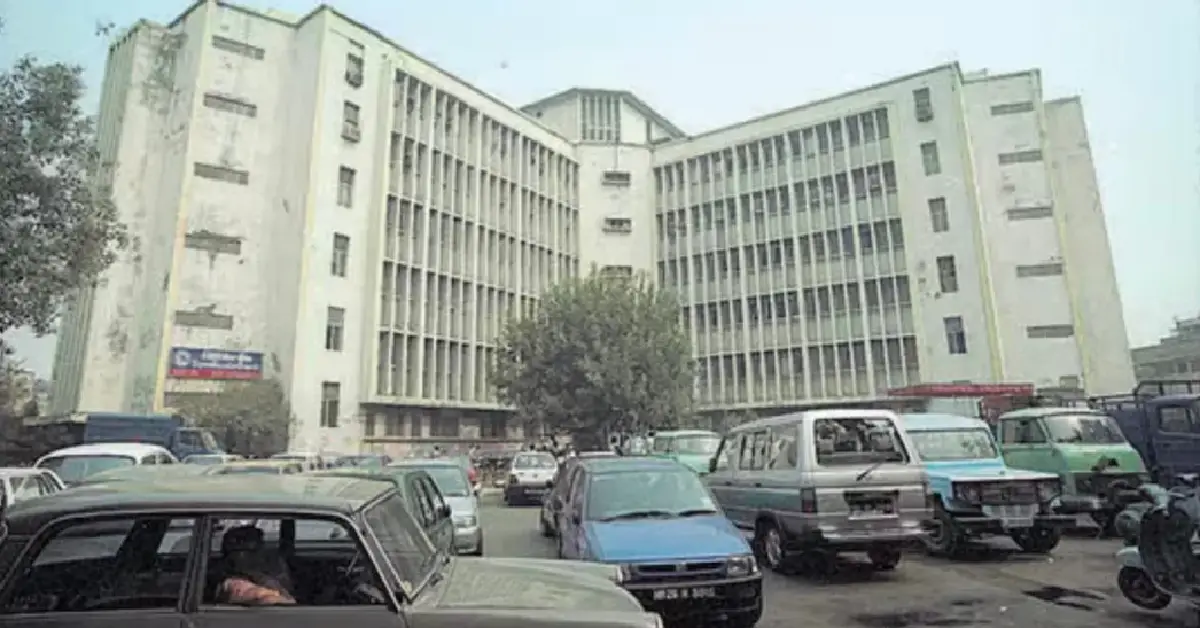
Delhi’s iconic Super Bazar in Connaught Place—once a lifeline for the city’s middle class and India’s first modern superstore—is set for a revival. The New Delhi Municipal Council (NDMC) is expected to place a redevelopment proposal for the six-storey landmark on the Outer Circle before its council in an upcoming meeting. While a timeline is yet to be finalised, officials say the ageing structure will undergo a complete makeover once approved, potentially restoring a storied address at the heart of the capital, according to a report by The Hindustan Times.
The redevelopment proposal for the six-storey structure, a prominent landmark in the heart of the national capital, will be placed before the council in its forthcoming meeting. “A final decision will be taken soon, though a timeline for the project has not yet been fixed. Once approved, the existing building will undergo a complete makeover,” the official said.
Opened in 1966, in the aftermath of the 1965 India–Pakistan war, Super Bazar was conceived as a people’s store to counter inflation and make everyday essentials affordable. From subsidised sugar and palm oil to HMT watches, transistors and, later, computers, it stocked almost everything a city in transition needed.
Decades later, as Connaught Place ranks among the country’s most expensive retail districts, NDMC’s plan to give the ageing landmark a complete makeover signals not just a real estate opportunity, but a chance to resurrect a piece of Delhi’s collective memory, say real estate experts.
Inaugurated in 1966, Super Bazar was envisioned as a people’s marketplace aimed at curbing inflation and ensuring access to affordable daily essentials. Its shelves carried everything from subsidised sugar and palm oil to vegetables, stationery, HMT watches, transistors and, later, computers, reflecting the evolving needs of a growing city.
However, the store’s prominence began to fade by the mid-1990s, weighed down by poor management, overstaffing and outdated business practices. The decline culminated in its closure in 2002. A 2018 report by the Ministry of Consumer Affairs traced the downturn to as early as 1996, citing overstaffing, management failures, inadequate working capital and a lack of competitive strategy as the primary reasons for its collapse.