Subtotal ₹0.00






Email :33
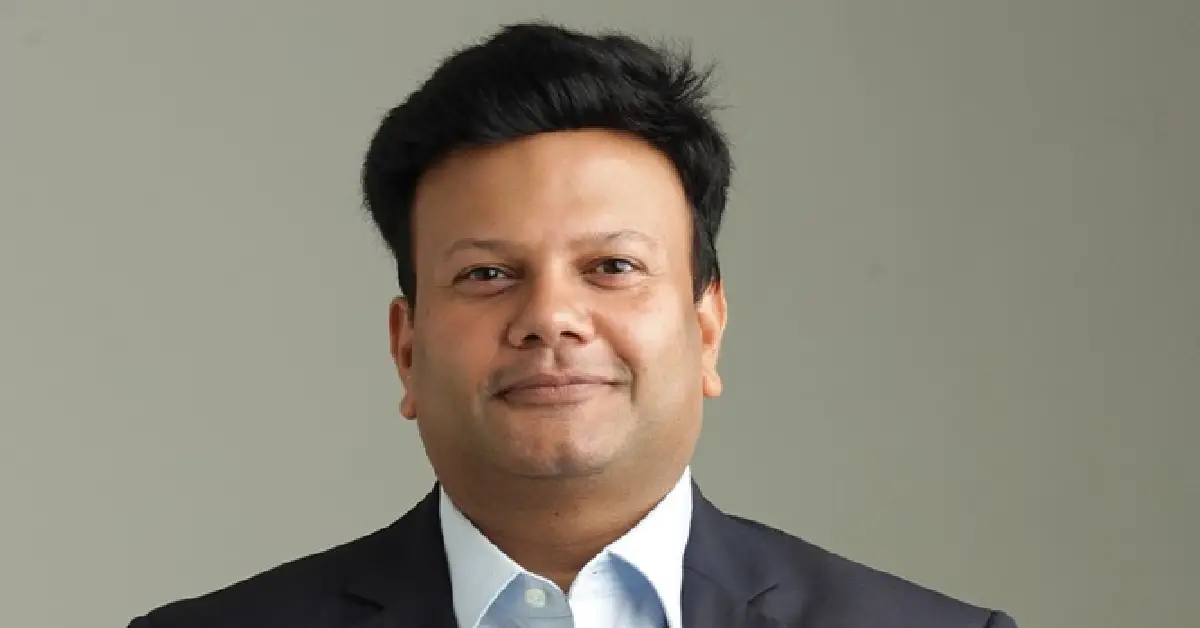
Navin Dhanuka, Director, ArisUnitern
For decades, the real estate industry was defined by one belief: ownership equals power. Developers and investors-built success on land banks, physical assets, and capital expenditure. But today, that belief is being rewritten. Across the world — and increasingly in India, real estate companies are pivoting from asset-heavy to asset-light business models. The shift is not just financial; it’s strategic. It’s about unlocking growth through agility, collaboration, and smarter capital deployment.
From Ownership to Partnership
The traditional capex-heavy model, built on direct ownership of land and buildings, offered control but came at a cost — immobilized capital, high maintenance, and limited adaptability. In times of market disruption, such as the COVID-19 pandemic, these models often struggled with liquidity and slow recovery.
By contrast, the asset-light model redefines value creation. Here, the focus moves from “what we own” to “what we enable.” Instead of deploying billions into ownership, developers and operators leverage partnerships, management expertise, and brand equity to scale faster, while keeping risk lean and capital light.
Why the Asset-Light Model Works
The asset-light approach is redefining how real estate companies grow and compete. It allows firms to scale faster, spread risk, and channel capital into areas that drive real value — technology, customer experience, and brand strength. By shifting from ownership to partnership, developers gain the agility to enter new markets, adapt to changing demand, and operate with far greater efficiency. The model also encourages shared success: owners enjoy stable, predictable returns, while operators create value through their expertise, disciplined governance, and performance-led management. In a fast-moving market, this balance of flexibility and focus is what makes the asset-light model not just efficient, but future-ready.
The Rise of Development Management Models
In India, the asset-light shift is manifesting through new-age Development Management (DM) structures — a model that allows developers, landowners, and investors to unlock real estate value without heavy capital deployment.
Under this approach, the developer’s role evolves from an asset owner to a project manager and value creator. DM firms manage end-to-end development — from design and approvals to construction oversight, marketing, and sales — while ownership and capital investment rest with the landowner or investor.
By blending strategic advisory, operational execution, and brand-led market positioning, DM models are redefining how real estate projects are conceptualized and delivered — enabling growth that is smarter, leaner, and more sustainable.
Managing the Challenges
While promising, the model is not without risks — dependence on third-party execution, potential dilution of brand control, and governance complexity. The success of asset-light strategies depends on strong contracts, operational discipline, and technology-enabled oversight — elements that define whether a partnership model can scale sustainably.
The Future is Asset-Light
The shift from asset-heavy to asset-light is not a passing trend — it’s a structural evolution. In an era defined by speed, uncertainty, and innovation, real estate success will belong to those who can scale smart, not just scale big.
Benefits of the Asset-light Model
· Reduced Capital Requirements: By forgoing direct property ownership, businesses can allocate their resources more efficiently—fueling rapid expansion, improving customer service, and investing in priorities such as technology, marketing, and brand building
· Higher Agility: The model’s inherent flexibility allows operators to swiftly enter new markets and adapt to shifting demand, all while keeping financial risk low and scaling their operations more quickly.
· Mutual Outcomes: Asset-light agreements benefit both parties. Owners enjoy reliable rental or revenue income with minimal tenant management responsibilities, while operators, achieve business growth unburdened by asset-heavy obligations.
By divesting real assets and outsourcing non-core operations, firms concentrate on what they do best—delivering expert services, building brand loyalty, and innovating customer experiences.
Hospitality industry is an early adopter of this model. Marriott and Hilton reportedly grew their business through asset-light franchising rather than bearing the risk of owning properties, thereby increasing financial returns to their shareholders. The idea is, leading brands grant owner-investors the opportunity to operate properties under their renowned banners, collecting fees for brand usage. In return, these owner-investors dedicate their resources, management, and capital to running the property’s daily operations, while benefiting from access to the brand’s established customer loyalty programmes and global client base.
Challenges
Transitioning from capex-heavy to asset-light isn’t risk-free. One, there is risk of leaking intellectual property and heavy dependence on third-party partners can lead to reduced control over quality and potential supply chain disruptions. Besides, this can disrupt a consistent brand identity and can impact the ability to maintain critical expertise internally. Put together, the vulnerabilities can make a company more susceptible to supplier disputes and can impact its financial stability.
The asset-light real estate business model is already proving superior in today’s innovation-driven environment. Real estate companies must carefully design partnerships, maintain service quality, and manage third-party relationships to cripple the challenges. The success of asset-light models hinges on contract sophistication and operational excellence. Smart governance and technology can power consistent performance.