Subtotal ₹0.00






Email :63
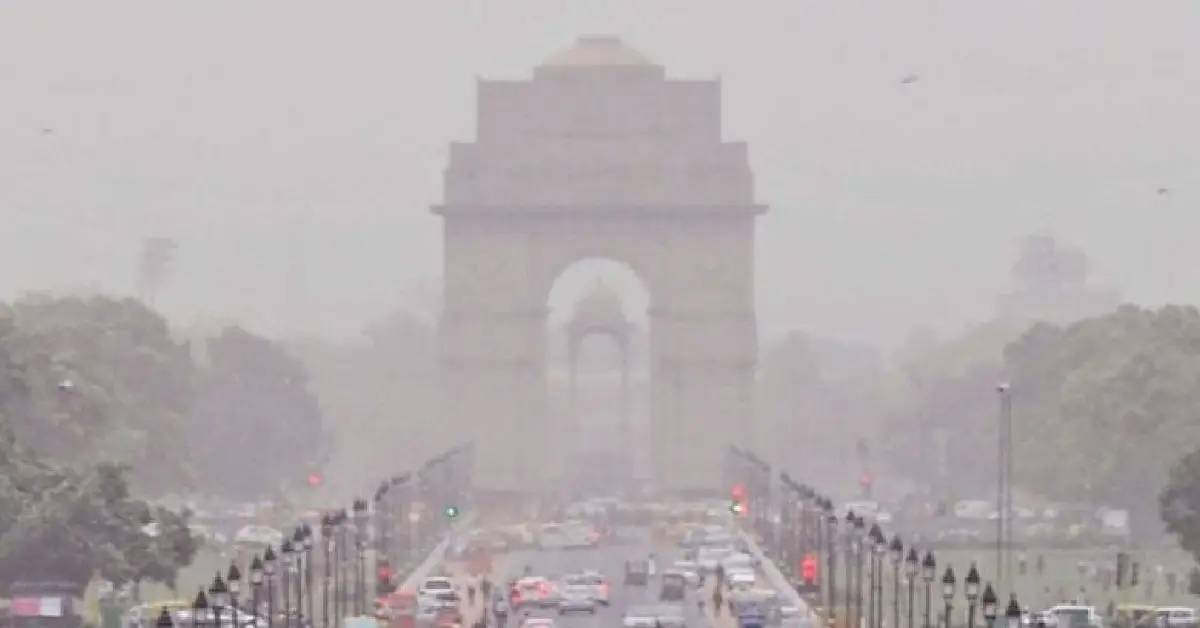
Residents of Delhi-NCR stepped into the second day of New Year 2026 under a familiar haze, with air quality slipping into the ‘very poor’ category as the Air Quality Index (AQI) touched 311, according to the Central Pollution Control Board’s SAMEER app.
Beyond the immediate health concerns, the persistently toxic air is beginning to influence a far more consequential decision: where—and whether—to buy a home. As pollution episodes grow longer and more severe, clean air is fast emerging as a decisive factor in home-buying choices, particularly for families, senior citizens, and health-conscious professionals, even as job concentration in the region limits real alternatives, according to a report by The Hindustan Times.
However, the larger dilemma remains whether buyers truly have that choice, given that most employment opportunities continue to be concentrated in the Delhi-NCR region. Ultimately, the issue extends beyond individual housing decisions and underscores the need for cities themselves to take stronger, sustained steps to curb the pollution they generate in the first place.
Several Reddit users have flagged rising AQI levels and questioned whether buying property in the city makes sense, given unsustainable price growth and worsening air quality. A 30-year-old tech professional recently wrote in a Reddit post that there was ‘no point buying in a city (Gurugram) where, for four months, you choke on the air.’
A recent LinkedIn post highlighted a shift that many homebuyers have quietly begun to accept: clean air is no longer a given; it is a sellable asset.
The post by Vivek Joshi, an author and photographer, traced the evolution of housing marketing over the decades. Homes, once sold simply as places to live, gradually became lifestyle products. First came ‘golf-facing’ apartments, followed by ‘river-facing’, ‘sea-view’, and ‘hill-view’ homes, each promising proximity to nature as a marker of prestige. Today, he notes, a new phrase has entered sales pitches: ‘low AQI locations’.