Subtotal ₹0.00






Email :85
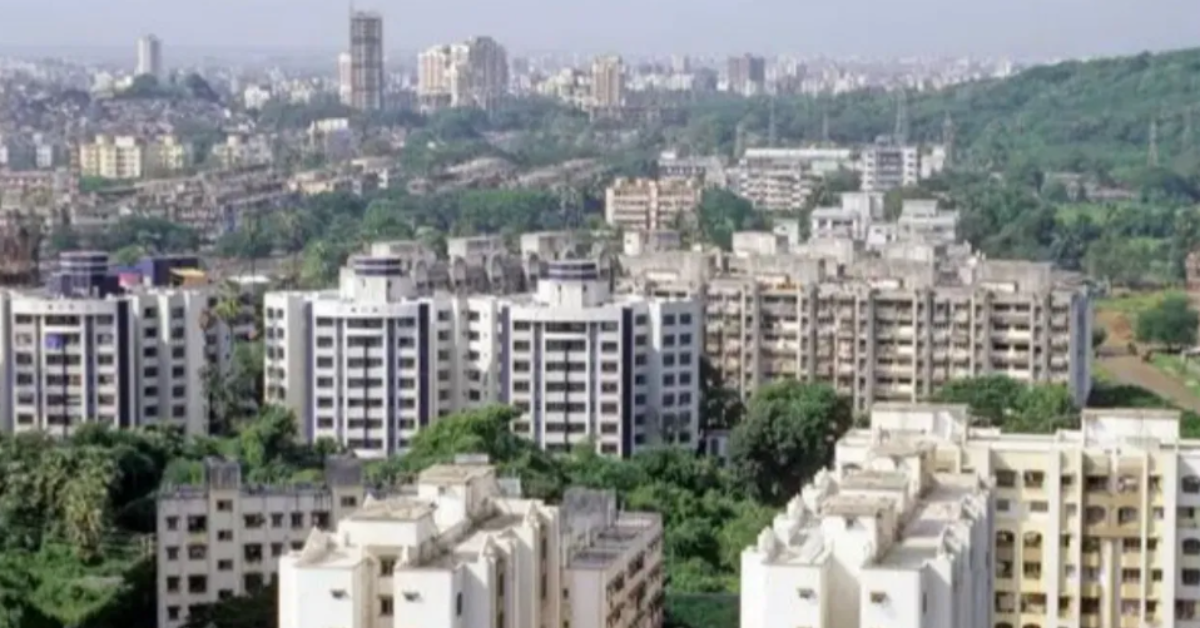
The aftermath of the West Asia conflict weighed on global growth as it pushed commodity prices higher and disrupted supply chains. In India too, inflation surged in Q1FY27. The impact of higher inflation was noted across industries. Despite this, Housing Price Index rose at similar pace as last year, signaling stability. A Bank of Baroda study captures how each of the variables, such as HPI, inflation and sectoral credit, has performed during this time-frame.
How has the index fared in Q1FY27
India’s Housing Price Index, published by RBI, which covers 18-cities rose at a slower pace of 3.6% in Q1FY27 against 4.5% growth noted in Q4FY26. Interestingly, it has grown at same pace as it did back in Q1FY26.
- Top cities that contributed to growth in Q1FY27 included the following Chandigarh (49.6%), Jaipur (36.4%), Kanpur (27.5%), Lucknow (17.7%) and Thiruvanthapuram (16.3%).
- The price appreciation in Chandigarh is due to recent revision in the collector rate, applicable from April 1, 2026. Additionally, unavailability of new land pockets has also pushed prices higher in recent times.
- On the other hand, cities such as Delhi (-1.2%), Kolkata (-31.5%), Mumbai (2.8%) and Hyderabad (-0.8%) have decline or grown at a much slower pace in Q1FY27.
- It has also been observed that the residential real estate in Tier-2 cities is driving the market demand rather than the big cities. This is supported by increased connectivity and growing service-based employment opportunities.
On a Q-o-Q basis, HPI has registered 1.1% growth in Q1FY27 against 0.5% growth noted in Q4FY26 and 2% growth in Q1FY26. The pace of price appreciation has been relatively modest with cities such as Chandigarh (23.6% from -10.2% in Q4FY26), Thiruvanthapuram (8.8% from -5.2% in Q4FY26), Hyderabad (3.7% from -1.4% in Q4FY26) contributing the most for Q1 price rise. On the other hand, cities such as Nagpur (-14.8% from 3.2%), Pune (-3.7% from 3.9%) and Jaipur (2.5% from 9.2%) registered the highest moderation for the same period.
Inflation
As per the new base year, inflation rose by 3.9% in Q1FY27 against 3.1% in Q4FY26 and was even higher than 2.9% increase noted in Q1FY26. The weightage of housing is divided between actual rent payment which a weight of 10.9% and maintenance, repair of dwelling has the weight of 1.2% in the estimation of CPI. For the same period, inflation of actual rent has inched up marginally by 0.6% in Q1FY27 from 0.5% in both Q4FY26 and Q1FY26. On the other hand, inflation print for maintenance repair and security of dwelling has edged up tad bit with 0.9% in 1FY27 from 0.7% in Q4FY26, while it has moderated down from 1% back in Q1FY26.
A substantial part of the increase in housing prices has been on account of higher construction cost while external pressures such as growing land costs, supply-demand functioning along with high developer margins, marginally impact the price rise. Globally, raw material prices remained volatile during this period with commodity prices elevated in Q1, crude prices surged by 45%, aluminium, copper and iron ore all accelerated by 46%, 10.1% and 40% respectively for the same period. Even international price of coking coal during this period rose by 29.5%. As a result, the same was percolated in higher domestic prices noted for iron ore along with steel.
Credit story-Housing sector
India’s banking sector has grown at healthy pace, clocking double digit growth of 18.6% in Q1FY27, despite the economy facing unprecedented challenges on account of the West Asia conflict. Credit to housing sector continued to expand at a steady pace of 11% in Q1FY27 against 11.5% growth in Q4FY26 and was higher than 9.6% growth in Q1FY26.
Conclusion
The annual and quarterly trend provides some clarity in terms of how the housing price market has performed in Q1FY27 over Q4FY26 and Q1FY26. Some cities on an annual and quarterly basis, both have registered strong price gains in Q1FY27 with the likes of Chandigarh and Thiruvananthapuram, standing as clear winners. In contrast, subdued price action has been noted for cities such as Kolkata which has registered deflation in the last few quarters on an annual basis, followed by Nagpur and Pune.
Notably, CPI for Q1 was higher given the higher commodity prices, freight expenses, gas shortages and supply chain bottlenecks due to escalated geopolitical tensions. Housing inflation also inched up due to higher input cost during the same period. Notwithstanding these challenges, housing credit also rose at a steady pace during the same period, suggesting underlying demand.