Subtotal ₹0.00





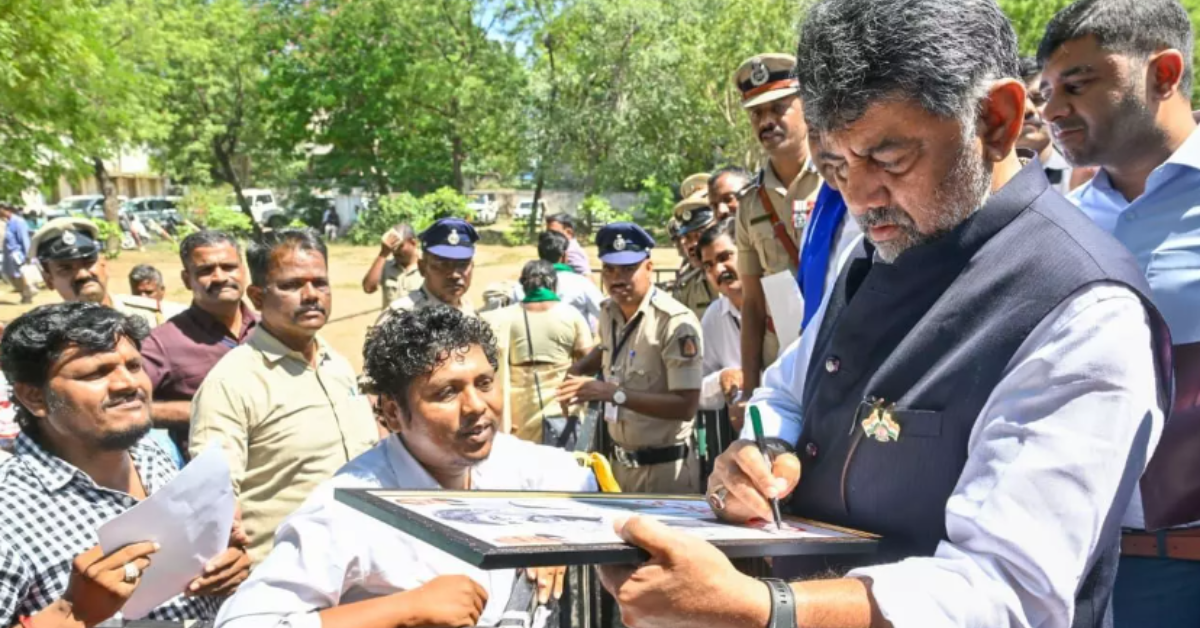

The Karnataka government has set a target of distributing 15 lakh free residential sites to landless families across the state and constructing one lakh houses during 2026-27, with an estimated expenditure of ₹2,241 crore for the housing programme.
Under the proposed ‘Bhooguarantee’ initiative, the first phase will develop five lakh residential sites at an estimated cost of ₹1,000 crore.
The chief minister’s office said in a statement recently that the decisions were taken at the 26th state Cabinet meeting chaired by Chief Minister D K Shivakumar on November 19.
The government estimates that around 14.4 lakh people in Karnataka do not have residential sites. Accordingly, it has set a target of developing 15 lakh sites in rural and urban areas.
Of these, nine lakh sites are proposed in rural areas, requiring around 45,000 acres, while five lakh beneficiaries in urban areas are proposed to be accommodated through a G 3 housing model on approximately 5,000 acres.
District administrations have been directed to identify and reserve suitable government land under section 71 of the Karnataka Land Revenue Act, 1964. Around 23,500 acres of government land have already been identified across the state’s 31 districts, which could accommodate approximately 4.70 lakh sites.
The first phase will cover five lakh sites spread over around 25,000 acres, with the development cost estimated at ₹20,000 per site.
Around ₹400 crore, accounting for 40 per cent of the first-phase expenditure, is proposed to be mobilised through convergence of funds from various sources, including VB-G-RAM-G, Scheduled Caste Sub-Plan, Tribal Sub-Plan, District Mineral Foundation, Kalyana Karnataka Regional Development Board and local area development funds of MPs and MLAs.
The remaining amount will be mobilised through other government funding sources.
Under the proposed Niveshana Yojane (Residential Site Scheme), eligible landless families, including former defence personnel, will be provided free sites. A three per cent reservation has been proposed for ex-servicemen, while priority will also be given to senior citizens, widows, widowers, divorced persons, single mothers, persons with disabilities and transgender persons.
The proposed category-wise reservation includes 19.5 per cent for Scheduled Castes and 7.5 per cent for Scheduled Tribes. The Chief Minister has also directed the department to take steps to provide reservation for Backward Classes.
Each eligible family holding a Priority Household or Antyodaya Anna Yojana ration card will be entitled to one site. The annual family income should not exceed ₹1.20 lakh in rural areas and ₹2 lakh in urban areas, the release said.
Fresh online applications will be invited through Nadakacheri, Bapuji Seva Kendras, Grama One and Karnataka One centres. Aadhaar-based e-KYC will be used to verify applicants and prevent duplication.
The government has also decided to reverify around 5.8 lakh rural applications pending with the Rajiv Gandhi Housing Corporation Limited since 2018. However, eligible applicants in the existing list will not be excluded merely for failing to submit a fresh application.
Residential layouts will be developed with basic infrastructure, including roads and drainage facilities. Digital ownership documents will be issued by the respective Tahsildars under Section 94-D of the Karnataka Land Revenue Act.
The government has also decided to waive stamp duty and registration charges for beneficiaries registering their properties through the Kaveri 2.0 system.