Subtotal ₹0.00






Email :34
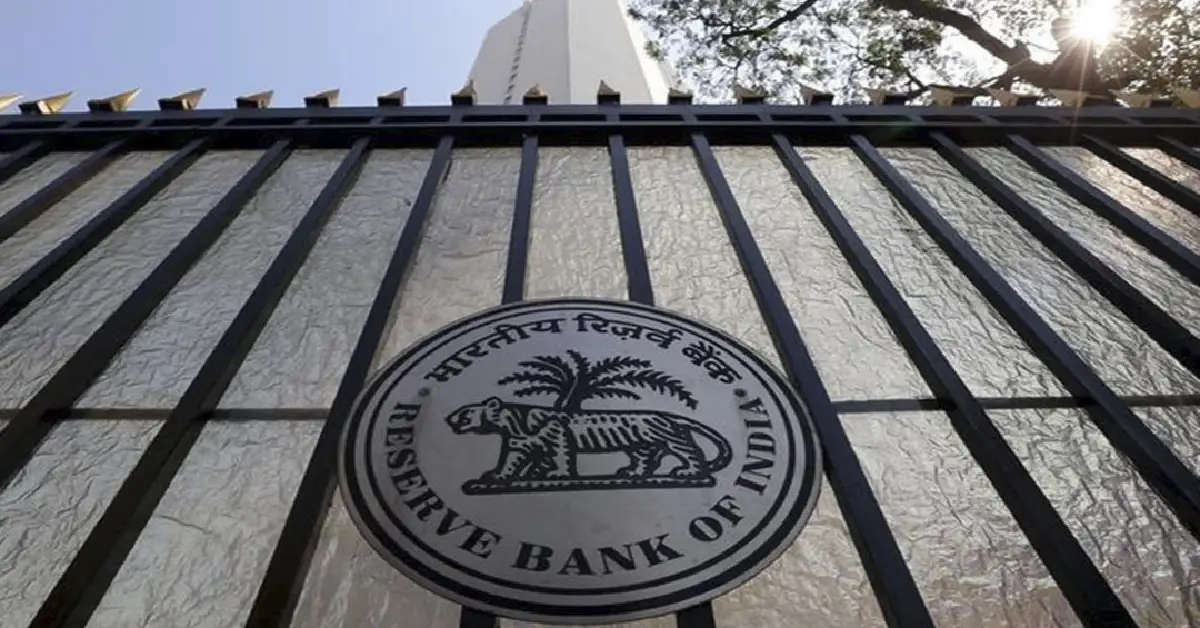
The Reserve Bank of India’s decision to keep the repo rate unchanged has drawn a largely supportive response from real estate, housing finance, construction and investment leaders, who see the move as reinforcing stability and predictability amid global uncertainty. While industry voices broadly welcomed the policy pause for maintaining buyer confidence, protecting EMI stability and supporting long-term planning, several stakeholders also flagged the missed opportunity for a rate cut to revive affordable housing demand and accelerate sales momentum.
The decision, coupled with recent regulatory easing for REIT financing and continued government focus on infrastructure-led growth, is expected to sustain sentiment across residential, commercial and capital-intensive sectors in the near term.
Anshuman Magazine, Chairman & CEO – India, South-East Asia, Middle East & Africa, CBRE: “The RBI MPC’s decision to hold the repo rate at 5.5% reflects a measured approach ahead of the festive season, and amidst volatile global macroeconomic and policy conditions. Along with the recent GST cuts and range-bound inflation, the announcement is likely to lift consumer sentiment and may encourage greater demand across key sectors in the coming weeks. In real estate, it signals a steady growth outlook and reinforces market confidence, offering long-term predictability to developers and homebuyers. Going forward, we expect the consumption to improve and market momentum to accelerate further.”
Anuj Puri, Chairman – ANAROCK Group: “RBI’s decision to keep the repo rate at 5.25% means that home loan EMIs will not change either. This will keep buyers engaged but does nothing to lift demand further and does nothing to make housing more affordable. The upside is that current house loan borrowers will not experience any EMI shocks for now, and new borrowers can plan their housing purchases with the benefit of predictability. Demand for affordable and mid-segment homes remains strong, but continues to be challenged by escalated pricing, which affects affordability. A rate cut would have potentially brought at least some fence-sitters back to the market.
Overall trends show that affordable housing remained considerably subdued in 2025, in terms of both sales and new launches. As per ANAROCK Research, the overall sales share of affordable housing was just around 18% of the total housing sales across cities in 2025. Back in 2024, out of the total sales of approx. 4.60 lakh units in top 7 cities, affordable housing share stood at 20%. This share stood the highest in 2019 when out of approx. 2.61 lakh units sold altogether, 38% was within this segment.
Union Budget 2026-27 failed to deliver any notable relief to the affordable housing buyer segment, which is in dire need of proactive intervention by way of interest stimulants for both buyers and developers. The segment needs focused, high-impact measures like tax breaks – for developers, so that they shift their focus more on affordable housing from the current premium and luxury segments, and for buyers, to improve affordability.
On a positive note, the move to allow banks to lend money directly to REITs within the rules makes it easier for REITs to raise capital, lowers expenses, and speeds up asset expansion in the office and retail segments. This makes these segments more appealing to investors and is positive for the broader real estate financing spectrum. It needs to be accompanied by strong regulatory safeguards on exposure limits, and robust credit underwriting and monitoring practices.”
Shishir Baijal, International Partner, Chairman and Managing Director, Knight Frank India: “The RBI’s decision to hold rates steady, reflects a cautious and stability focused stance in a volatile global environment. As the economic growth outlook remains stable and maintain momentum, we can expect this overall growth to have a positive impact on the real estate sector. The pause underscores the central bank’s priority on managing currency pressures and external risks.
For the real estate sector, the repo rate continues to remain at its lowest level in the post-pandemic period. While a further reduction in rates would have provided an added boost to homebuyer sentiment, particularly in the affordable housing segment, we expect banks to pass on a greater share of the existing rate benefits to consumers in the coming months. A stable interest rate environment offers much-needed predictability, supporting informed decision-making for both homebuyers and developers. In addition to the rate actions, the central bank has also eased the rules for bank lending to REITs which is a positive step considering it will ease their credit access and facilitate access to lower cost funds.”
Shekhar G Patel, President, CREDAI: “The RBI’s decision to maintain the repo rate at 5.25% provides policy stability amid global currency volatility and bond-yield pressures. At CREDAI, we view this continuity as constructive for real estate, where predictability in financing costs is essential for sustaining demand and investment sentiment.
As liquidity conditions normalise, a stable rate regime supports measured growth across segments. CREDAI believes that calibrated monetary easing over time, aligned with evolving macroeconomic conditions, can further improve housing affordability, expand access to home ownership, and support a more inclusive growth path for the sector.”
Parveen Jain, President, NAREDCO: “The RBI’s decision to keep the repo rate unchanged at 5.25 percent is a welcome step. Domestic economic activity remains robust, and the growth outlook is positive. Maintaining stable interest rates at this time will encourage homebuyers to make purchasing decisions. It will also motivate developers to launch new projects to meet customer demand. At a time when the government has placed special emphasis on the development of cities with a population of 5 lakh and above in its Union Budget, stable interest rates can provide a significant boost to Tier 2 and Tier 3 cities. Overall, this decision supports stability and sustained growth for the real estate sector and the country’s economy.”
Raoul Kapoor, Co-CEO, Andromeda Sales and Distribution: “The RBI’s decision to maintain a status quo on policy rates is largely in line with expectations, especially after the cumulative rate cut of 125 basis points in 2025. The transmission of these cuts is still playing out, with several banks yet to fully pass on the benefit to borrowers. A cumulative reduction of 125 basis points over a 20-year loan tenure translates into an EMI reduction of approximately ₹80 per lakh per month, significantly improving affordability and enhancing borrowing capacity for big-ticket purchases such as homes. For existing home loan borrowers currently servicing loans at interest rates above 8%, this presents a timely opportunity to negotiate better terms with their lenders or explore balance transfer options, as many banks are now offering home loans at interest rates close to 7.5% to new borrowers.”
Vikas Bhasin, Managing Director, Saya Group: “The RBI’s decision to maintain the status quo on policy rates is a positive and reassuring signal for the housing sector. Stability in interest rates plays a crucial role in homebuyer decision-making, as it reduces uncertainty and builds confidence among both end-users and investors. With home loan rates currently hovering around an affordable and comfortable level of approximately 7.5%, and expected to remain below 8% for an extended period, borrowing conditions remain supportive for residential purchases.
This stable interest rate environment, combined with steady property prices, creates an opportune window for homebuyers who have been on the sidelines. Fence-sitters should actively explore homeownership options now, as the current market offers a rare balance of predictable financing costs and stable pricing. For genuine buyers, this phase provides long-term value, improved affordability, and greater clarity in planning their purchase decisions.”
Pradeep Aggarwal, Founder & Chairman, Signature Global (India) Ltd: “The RBI’s decision to hold the repo rate steady at 5.25% offers stability for interest-rate–sensitive sectors like real estate in the current macroeconomic environment. With inflation remaining at manageable levels and the benefits of earlier rate cuts continuing to flow through to homebuyers in the form of improved affordability, residential demand has remained resilient. The Union government’s decision to raise public capital expenditure to ₹12.2 lakh crore in FY27, as announced in the Union Budget 2026, further strengthens the growth outlook through infrastructure-led development.
Supported by stable monetary policy and sustained public spending, the real estate sector will continue to play a pivotal role in driving economic growth, employment generation, and urban development across the country.”
Ashok Kapur, Chairman, Krishna Group and Krisumi Corporation: “The RBI’s decision to keep the repo rate unchanged at 5.25% reinforces policy stability and provides a supportive backdrop for the residential real estate market. While a rate cut would have lowered borrowing costs, a steady interest rate environment enables homebuyers to take long-term purchase decisions with greater confidence and predictability. This is particularly relevant for the premium housing segment, where buyers place stronger emphasis on product quality, location, and long-term value creation rather than short-term rate movements.
For developers, rate continuity allows for more disciplined planning of project launches, construction schedules, and capital deployment. With premium homes forming an increasing share of residential sales across key metropolitan markets, stable monetary policy is expected to help sustain demand momentum and reinforce positive sentiment over the coming quarters.”
Amit Jain, Chairman and Managing Director, Arkade Developers Ltd: “In an environment where inflation remains comfortably within target and growth momentum shows resilience, the monetary policy committee’s choice to hold the repo rate steady at 5.25% reflects a deliberate and balanced approach to monetary policy. By maintaining a neutral stance the central bank has signalled its intent to judiciously weigh the impact of substantial easing over the past year and the unfolding macroeconomic context including global uncertainties and domestic demand dynamics. This pause offers valuable clarity to markets and borrowers while preserving the flexibility to act should inflationary pressures or external risks shift in the months ahead.”
Rohan Khatau, Director, CCI Projects Pvt Ltd: “With the RBI keeping the repo rate at 5.25%, the macroeconomic scenario is providing a stable platform for growth in the real estate sector. The revision in real GDP growth for Q1 and Q2 of 2026-27 to 6.9% and 7% further cements market sentiment. For Mumbai, this translates to successful micro-markets and quality residential developments which continue to attract steady demand, while well-planned gated developments in emerging pockets provide a very attractive investment option for the long term. Now is the time for buyers and developers to tap into these trends and harness stability and growth opportunities to create lasting value.”
Samir Jasuja, Founder and CEO, PropEquity: “Two consecutive years of decline in housing sales warranted a further repo rate cut by the RBI to ensure affordable credit for both homebuyers and developers. With the growth outlook remaining positive and inflation at record lows, an additional push to growth could have significantly improved sentiment in the real estate sector. However, beyond rate action, it is equally critical for the apex bank to ensure adequate liquidity in the system and effective transmission of rate cuts by banks to deliver meaningful relief to the sector.
According to PropEquity, housing supply declined by 12% to 3,96,062 units in 2025, while sales fell by 11% to 4,21,471 units, underscoring the need for supportive monetary conditions.”
Ankur Jalan, CEO, Golden Growth Fund (GGF), a category II Real Estate focused Alternative Investment Fund (AIF): “At a time when real estate demand has moderated and access to traditional financing remains selective, AIFs continue to play a critical role in providing structured, long-term capital to the sector. Real estate–focused AIFs are well positioned to bridge the funding gap through flexible capital structures, superior risk pricing, and asset-backed investments.
While the MPC has maintained a status quo on the policy rate, a continued supportive monetary stance focused on ensuring adequate liquidity and smoother transmission will further enhance the appeal of real estate AIFs.
For domestic investors, real estate AIFs offer portfolio diversification, predictable income streams, and the potential for capital appreciation. This positions AIFs as a compelling alternative investment avenue, supporting timely project execution while contributing to overall sectoral resilience and financial stability.”
Ashish Jerath, President- Sales & Marketing, Smartworld Developers: “A steady repo rate at 5.25% reinforces a sense of financial continuity at a time when long-term visibility is key for homebuyers. For a new generation of homebuyers, young professionals, entrepreneurs, and aspirational first movers, this kind of policy consistency offers a strong foundation to act with confidence. As demand shifts toward high-growth urban corridors, success will hinge on timely delivery, design intelligence, and the ability to turn stability into opportunity.”
Aman Sharma, Managing Director & Founder, Aarize Group: “We welcome the decision to keep the repo rate unchanged, as it brings much-needed stability and predictability to the housing market. Today’s homebuyers are highly sensitive towards the change in interest rates, as they tend to make decisions based on long-term financial comfort rather than short-term incentives. A stable rate environment reinforces end-user confidence, supports smoother transactions, and encourages buyers to move ahead with planned purchases. This continuity in policy will help to sustain momentum in the housing market and support the real estate sector’s growth.”
Ashish Agarwal, Director, AU Real Estate: “The RBI’s decision to keep the repo rate unchanged provides timely clarity for the real estate sector while balancing inflation management with the need to support economic growth. From a developer’s perspective, this continuity brings much-needed certainty. Stable borrowing costs support disciplined project execution and responsible pricing while reassuring buyers who are assessing long-term home loan commitments. In a market driven largely by end-user demand, particularly across urban centres and emerging micro-markets, the unchanged repo rate helps sustain confidence and enables the housing sector to continue on a steady and sustainable growth path.”
Parvinder Singh, CEO, Trident Realty: “The decision to keep the repo rate unchanged reinforces a stable and supportive environment for the real estate sector in the year ahead. Both long-term investors and homebuyers are likely to remain confident due to this monetary policy continuity. A strong foundation for asset creation and wealth preservation is created by monetary stability and the government’s ongoing emphasis on capital expenditure. As the housing market develops, this kind of alignment between monetary conditions and fiscal intent is essential for promoting high-quality development, prudent capital deployment, and sustained demand. This stability can eventually support India’s transition to a resilient and inclusive Viksit Bharat by converting economic momentum into long-term growth.”
Vyom Agarwal, President, ACE – Action Construction Equipment Ltd: “The MPC’s decision to keep the repo rate unchanged at 5.25% provides stability for capital-intensive sectors like construction and infrastructure, supporting credit flow and long-term investment. This aligns strongly with Union Budget 2026, which has reinforced its focus on infrastructure through higher capex of ₹12.2 lakh crore and an enhanced Construction and Infrastructure Equipment (CIE) scheme to promote domestic manufacturing of high-value, advanced equipment. Additionally, structural developments such as the India–EU FTA and the proposed US deal are significant positives for Indian manufacturing, improving competitiveness versus key markets like China and strengthening the China-plus-one opportunity. Together, these measures create a supportive framework for companies like ACE to scale innovation, expand capacity, and contribute meaningfully to India’s infrastructure growth.”