Subtotal ₹0.00






Email :96
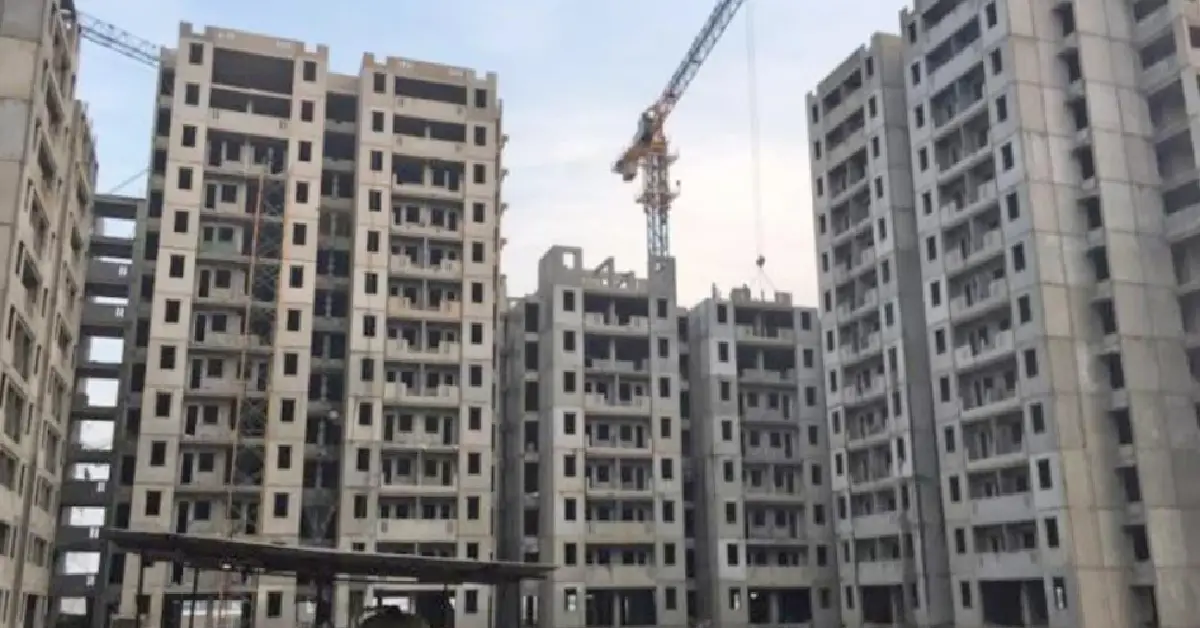
Mumbai’s real estate revival in 2025 has turned the city into a magnet for out-of-town developers, with major names from Bengaluru, Hyderabad, Chennai, Delhi-NCR and Pune making strategic entries or expanding their footprint. Drawn by high prices, scarce land and superior project economics, many are choosing redevelopment-led and partnership models to gain faster access while managing risk. With large housing societies set to tender projects and policy incentives supporting redevelopment, experts say this influx is set to intensify through 2026.
Buoyed by high prices and scarce land, developers from Bengaluru, Delhi-NCR, and Pune are keen to gain a foothold in Mumbai, often opting for partnership models with local players to reduce risk, ensure execution, and leverage established brands, they said, according to a report by The Hindustan Times.
Developers that entered and expanded their footprint in the Mumbai real estate market in 2025
In July 2025, DLF, in partnership with Trident Realty, launched 416 apartments in four towers in the Andheri West area of Mumbai. The companies will invest nearly ₹900 crore to develop the luxury housing project.
Around the same time, Hyderabad-based Ramky Estates and Farms entered the Mumbai market with a 1.5-acre slum redevelopment project in Chembur.
Bengaluru-based Prestige Group and Puravankara also expanded in the Mumbai Metropolitan Region (MMR). Puravankara acquired an old building redevelopment project in South Mumbai, while Prestige Estates announced a project in Mira Road. Additionally, Prestige Estates launched new phases for its Mulund project and introduced a new luxury residential project in Central Mumbai.
Similarly, in October 2025, Jaipur-based Manglam Group announced its entry into the Mumbai real estate market with the acquisition of a redevelopment project in Borivali.
In November 2025, Sobha Limited also announced the launch of its first project in the Mumbai real estate market, named Sobha Inizio. The project, spanning over 1 acre, will feature 310 residences. According to the company, the project is situated along the Eastern Waterfront at the foot of Atal Setu, offering 1, 2, and 3 BHK residences spanning 64 floors.
In 2026, a Chennai-based real estate developer is also expected to enter the Mumbai real estate market, according to market sources.
Real estate experts say developers from outside Mumbai are increasingly entering the city’s redevelopment space, a trend expected to continue through 2026.
“Mumbai’s housing revival has attracted large-scale developers from Bengaluru, Delhi-NCR and Hyderabad. Redevelopment provides them with faster entry without locking capital into land, and project economics in this area outperform those of other metros. Expect this momentum to continue in 2026 as large societies tender out land and incentives support redevelopment. The presence of these brands will deepen supply and sharpen competition at the top end,” said Vivek Rathi, National Director- Research, Knight Frank India, a real estate consultancy firm.
As many as 44,277 apartments worth ₹1.30 lakh crore are expected to enter Mumbai’s real estate market through the redevelopment segment by 2030, according to a report by Knight Frank India in September 2025. The free-sale component from society redevelopments is projected to generate around ₹7,830 crore in stamp duty and ₹6,525 crore in Goods and Services Tax (GST).
According to the report, a total of 910 housing societies have signed development agreements (DAs) since 2020, unlocking nearly 326.8 acres (1.32 million sq m) of potential land area within the Mumbai limits, based on Floor Space Index (FSI) utilisation norms and average unit sizes across the regions.
The report had stated that the Borivali, Andheri, and Bandra micro-markets emerged as the top three redevelopment hotspots, collectively contributing over 139 acres of activity.