Subtotal ₹0.00






Email :123
As Bengaluru continues to grow and densify, the way homes are being designed is quietly evolving. For today’s homebuyer, it is no longer just about location or amenities – it is about how a home supports everyday life. This has led to the emergence of “garden-led living,” where open spaces are not treated as add-ons, but as an essential part of how people live, unwind, and connect.
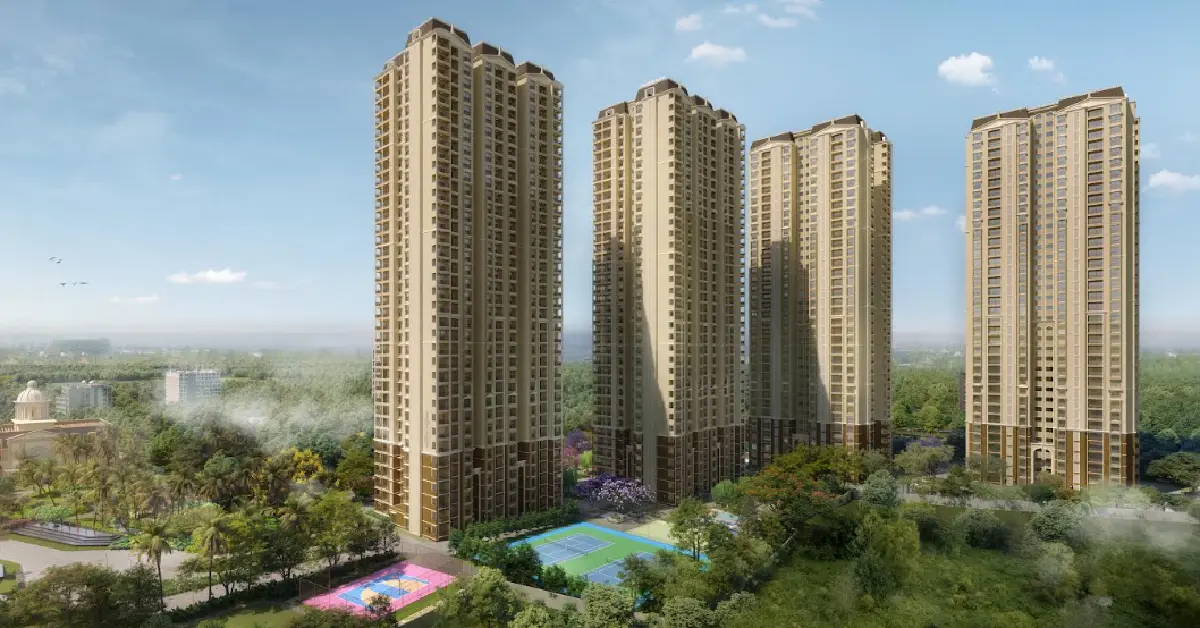
This shift is especially visible in East Bengaluru, across micro-markets such as Whitefield and Sadaramangala, where buyers are increasingly seeking homes that offer calm, space, and a sense of community alongside connectivity. Trendsquares World of Gardens reflects this new way of thinking – building lifespaces where nature, design, and daily living come together seamlessly. Instead of a single central park, the development is shaped around four distinct garden environments – Balinese, Japanese, Spanish, and English – each designed to support a different rhythm of life.
Whether it is a quiet moment to pause, an active space to move, or a setting to spend time with family and neighbours, these gardens are woven into the community in a way that feels natural and intuitive.
- Balinese-inspired spaces bring a sense of calm and unhurried living.
- Japanese zones create balance through mindful movement and quiet reflection.
- Spanish courtyards encourage connection and shared experiences.
- English-style greens support everyday family life through play, walks, and outdoor activities.
What this creates is not just open space, but spaces that are lived in every day – morning walks, conversations with neighbours, children playing freely, or simply stepping out for a breath of fresh air. By distributing these experiences across the community, the design feels less crowded, more intuitive, and closer to how people naturally want to live.
Commenting on this emerging trend, R. Rajasekhar Reddy, Founder & Managing Director, Trendsquares, said: “At Trendsquares, we have always believed in building lifespaces – not just homes. The way people live has changed, and open spaces can no longer be treated as a percentage on paper. They have to be designed for everyday use. At World of Gardens, we wanted to create multiple environments that people can experience through the day, rather than a single central space. In a city like Bengaluru, the real value lies in how thoughtfully we create space – so that it adds meaning to everyday living.”
An Anarock Research spokesperson noted: “While housing sales across the top seven cities declined ~14% in 2025, overall sales value rose ~6%, indicating a shift towards higher-value, better-designed homes. Nearly 45% of buyers now prefer 3BHKs. In this context, ‘garden-led’ formats – offering functional, well-distributed open spaces – are seeing stronger traction, particularly in East Bengaluru.”
Demand Trends Supporting the Shift
The trend aligns with evolving homebuyer preferences. Post-pandemic, buyers are prioritising open environments, well-being, and community infrastructure, often over incremental increases in apartment size .
East Bengaluru: A Second Phase of Growth
East Bengaluru is entering a new phase of development. While earlier growth was driven by connectivity and IT expansion, the current phase is defined by liveability, spatial quality, and environmental integration. Projects like World of Gardens – spread across ~12 acres with nearly 90% open space and a limited number of towers – highlight a shift towards balanced density and design-led planning .
A Structural Shift in Urban Living
The emergence of garden-led living signals a broader recalibration in residential development – where open space is positioned as a functional asset, not a visual add-on. As Bengaluru continues to grow, the ability to balance density, usability, and long-term liveability is likely to define the next phase of housing.