Subtotal ₹0.00






Email :111
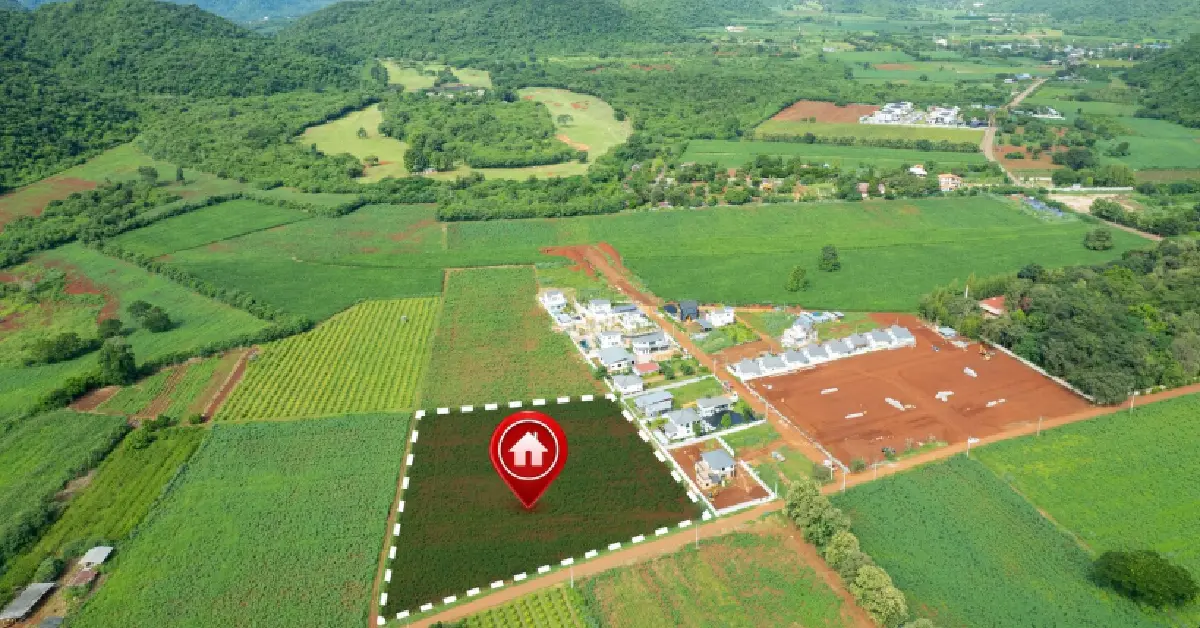
India’s real estate sector has reached a pivotal milestone, with developers acquiring over 3,093 acres of land across 149 transactions valued at INR 54,818 crore in 2025, a 32% year-on-year increase. This momentum is expected to unlock approximately 229 million sq. ft. of development over the next two to five years, according to JLL.
JLL research reveals a distinct investment pattern: Tier I cities attracted 89% of capital required for land acquisition while accounting for just 52% of total land area purchased. Meanwhile, Tier II cities received only 11% of the total investments despite representing 48% of land transactions in terms of area acquired. This disparity highlights the higher land costs in major metros and points to significant growth opportunities in emerging markets as India’s real estate landscape continues to evolve. Tier II cities include Ahmedabad, Amritsar, Aurangabad, Ayodhya, Ballari, Goa, Indore, Lucknow, Mohali, Nagpur, Panchkula, Raipur, Satara and Vadodara.
The strong momentum has continued into 2026, with approximately 900 acres acquired across key markets in Q1 2026, valued at nearly INR 18,000 crore. This reflects strong developer confidence and sustained demand for land. Mumbai’s MMR recorded the country’s largest land deal by value in Q1 2026, with an 11-acre parcel selling for INR 5,400 crore (approximately INR 490 crore per acre). This underscores strong investor appetite and the continued strength of high-value urban centers that are set to drive the next phase of growth.
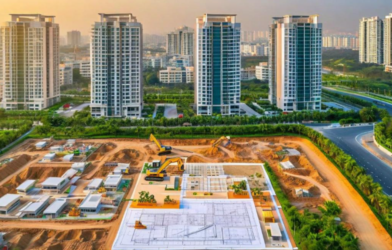
Developing these newly acquired land parcels in 2025 will require an estimated INR 92,000 crore + in total construction capital. Of this substantial investment, external financing needs are projected to exceed INR 52,000 crore over the medium term. Meeting this significant capital requirement will likely necessitate a diversified funding approach, combining bank financing, private equity, and institutional capital to support the ambitious development pipeline across multiple real estate asset classes.
“2025 has been a record-breaking year for India’s real estate sector, with developers acquiring approximately 3,000 acres of land across 20 major cities and investing close to INR 55,000 crore, a clear reflection of tremendous market confidence. Developing projects on these land parcels will require an estimated INR 52,000 crore + in external financing. As traditional banking channels face regulatory constraints and evolving risk appetites, this substantial capital requirement presents compelling opportunities for Alternative Investment Funds (AIF) and private credit providers to deploy innovative, tailored financing solutions that address diverse funding needs across project lifecycles. With strong demand fundamentals and a growing financing ecosystem, India’s real estate sector is poised for sustained growth, a momentum that has carried into 2026, with approximately 900 acres already acquired across key markets in Q1 2026,” saidLata Pillai, Senior Managing Director & Head of Capital Markets, JLL India.
Tier I cities command 89% of investment capital
The top seven cities continue to dominate the real estate investment landscape and projected to absorb approximately 89% of the total capital required to construct on these newly acquired land parcels. This significant concentration of funds reflects both the premium nature of projects planned for these prime locations and the higher construction costs associated with developments in major metropolitan centres.
Meanwhile, emerging urban centers are gaining traction, with Tier II and III cities witnessing land acquisitions totaling 1,475 acres during the year. However, despite substantial land banking activity in these emerging markets, they account for only 11% of total estimated construction costs. This lower capital intensity is primarily attributed to the less capital-intensive nature of real estate projects planned for these locations, resulting in lower overall construction costs compared to major metropolitan areas.
Residential development emerges as primary growth engine
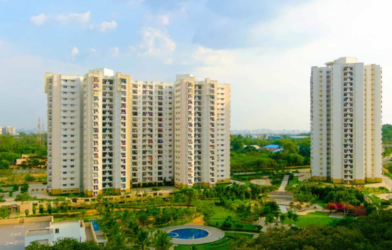
In line with the land acquisition usage, the residential development emerges as the primary growth engine, capturing approximately 76% of total estimated capital funding requirement. The scale and complexity of residential funding need present compelling opportunities for AIFs to deploy innovative financing solutions, particularly through strategic first-mile acquisition financing and last-mile completion funding structures.
Residential development emerges as the primary growth engine, with developers allocating 78% of acquired land for housing projects, totalling 2,398 acres and requiring an estimated INR 72,000 crore+ in construction cost. This concentration reflects robust market confidence in India’s urban housing demand, driven by rapid urbanization trends.
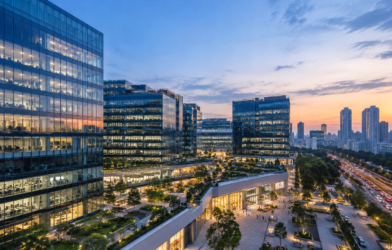
Office development represents the second-largest segment with an estimated capital requirement of approximately INR 8,700 crore+ (~10% of total capital required for construction), indicating robust corporate expansion and continued demand for modern workspace solutions. This investment level suggests confidence in India’s services sector growth, especially in the GCCs and the ongoing need for Grade A office infrastructure in major business districts
Individual landowners account for 65% of transactions
The analysis of India’s land supply landscape reveals that, individual landowners constitute the backbone of India’s developer land acquisition market, accounting for 65% of total area transacted across 62 deals, reflecting the fragmented nature of land ownership across various markets. The land seller profiles demonstrate significant variation across India’s top 7 metropolitan cities, shaping the land acquisition landscape in each market. Individual landowners drive land sales in several key markets, a trend most pronounced in Chennai at 93% and also leading in Mumbai-MMR, Bengaluru and Pune. In contrast, corporate entities are the principal sellers in Hyderabad, indicating markets where land assets are largely company-held. Delhi-NCR stands out as an outlier, with government bodies being the dominant source of land, accounting for 63% of all transactions.
Strong momentum carries into 2026
The sector’s outlook remains highly favourable, supported by robust demand fundamentals, strategic developer positioning across geographic markets and an increasingly sophisticated financing ecosystem that positions India’s real estate sector for sustained growth through the decade. This unprecedented financing requirement presents compelling opportunities for AIFs, banks, and institutional investors to deploy innovative financing solutions and support India’s real estate growth trajectory through strategic first-mile acquisition financing and last-mile completion funding.
Increasing institutional participation and diversified funding sources are reinforcing this evolution, enabling developers to pursue high‑value urban projects while expanding into new asset classes such as data centres and industrial parks. The result is a more resilient, capital‑efficient real estate ecosystem positioned for sustainable long‑term growth.