Subtotal ₹0.00






Email :69
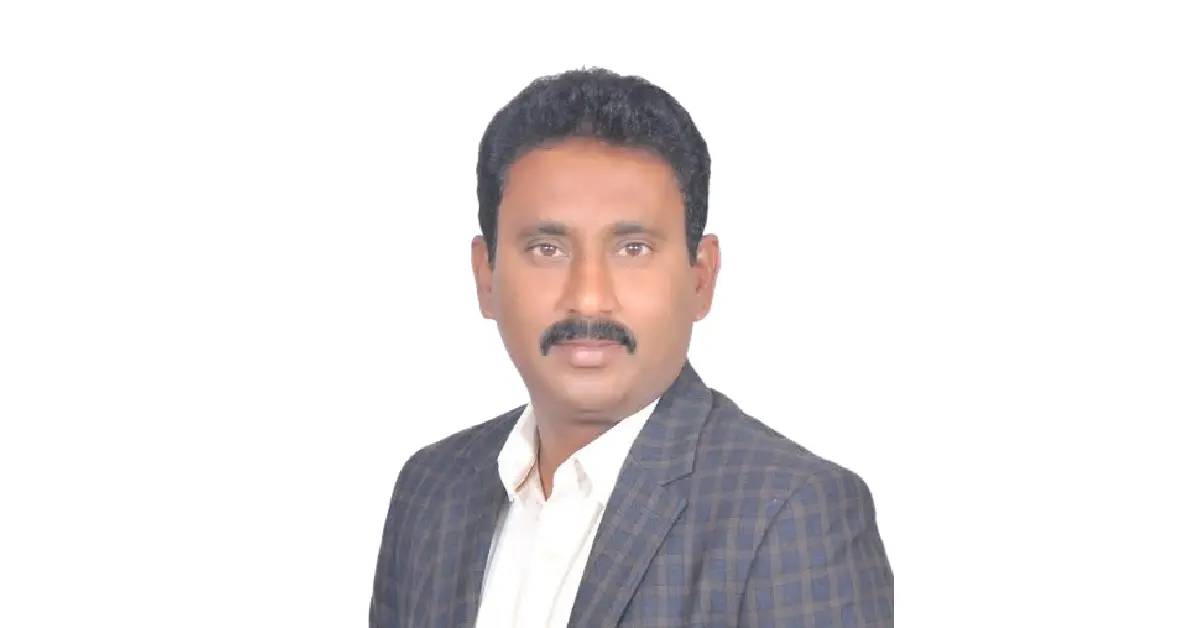
As Bangalore continues to strengthen its position as one of India’s most dynamic real estate markets, infrastructure growth, expanding metro connectivity, and rising housing demand are reshaping the city’s urban landscape. Emerging corridors such as Kanakapura Road are witnessing growing interest from both homebuyers and investors seeking long-term value and improved lifestyle opportunities. In an interaction, E. Lakshminarayana Reddy shares insights on Bangalore’s evolving real estate ecosystem, the impact of infrastructure development, changing buyer preferences, sustainability trends, and the investment potential of fast-growing residential corridors in the city.
1. What are the key factors driving this growth, and how do you see the city evolving as a real estate destination over the next five years?
Bangalore’s growth is very real and it comes from its strong economic base. The city continues to attract talent from across the country, especially with the rise of global capability centres and new-age tech companies. When businesses grow, housing demand naturally follows. According to Knight Frank’s India Real Estate Report (H2 2023-2024), Bangalore recorded the highest office space absorption in India at 13.2 million sq. ft., which is a clear indicator of long-term residential demand.
Over the next five years, I strongly feel the city will transition from concentric growth to corridor excellence. Already, we are seeing this shift play out, with emerging micro-markets recording steady price growth in the range of 6–10% annually. These corridors will gradually evolve into self-sustained ecosystems where residential, commercial and social infrastructure grow together. For homebuyers, this means less dependence on long commutes; and for investors it means more stable, long-term value creation. Going forward, the market will reward developers who focus on long-term fundamentals, particularly clear-title land and planned development, over those chasing short-term velocity.
2. What developments in infrastructure, connectivity, and residential demand are contributing to its rising popularity among homebuyers and investors?
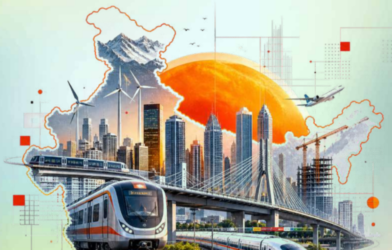
Infrastructure has been a key driver in reshaping Bangalore’s real estate landscape, with metro expansion at the centre of this shift. Once completed, the Namma Metro network is expected to cross 170 km, bringing many previously distant areas into the city’s active residential map. At the same time, road developments like the Peripheral Ring Road are improving accessibility and reducing travel time, making several emerging micro-markets far more practical for everyday living.
On the demand side, Homebuyers have become more sophisticated post-pandemic. They no longer settle for just four walls. There is a clear shift towards larger homes, better layouts and projects with open spaces. In fact, many developers have seen a 20–30% increase in demand for such homes post-pandemic.
As connectivity improves, buyers are more willing to move outward for a better lifestyle but with a sharper focus on project quality, transparency and long-term reliability. So, it’s really a combination of better infrastructure and more evolved buyer expectations that is driving Bangalore’s growing appeal.
3. With the expansion of metro connectivity and road infrastructure, how do you see emerging corridors like Kanakapura Road shaping the next phase of urban development in Bangalore?
Kanakapura Road is the perfect case study for balanced urban development. Unlike the high-density saturation of Whitefield or Sarjapur, this corridor offers a Green Lung advantage, and still offers open spaces and a calmer environment. With metro connectivity already in place and more infrastructure coming up, commuting is also becoming easier and more predictable. Hence, what once felt far is now quite manageable.
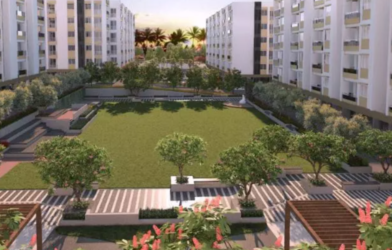
We are seeing growing interest in plotted and low-density developments in this corridor. It appeals to people who want both good connectivity and a better quality of life. Over time, this area will continue to develop into a strong residential destination.
4. What are the key trends currently influencing the real estate sector, particularly in terms of buyer preferences, sustainability, and integrated township developments?
One clear trend is that buyers today value trust much more. They prefer developers who are transparent, compliant, and have a strong track record. This shift towards organised development is very visible. In terms of lifestyle, we are seeing a massive surge in Integrated Living. People want open spaces, better amenities and a sense of community. Homes are no longer just about the apartment, they are about the overall experience.
Sustainability is no longer a luxury; it’s a necessity. At EARA, we look at sustainability through the lens of long-term resource management and hence water harvesting and solar integration aren’t just features, they are essential to maintaining the value of a property decades down the line.
5. From an investment perspective, what advice would you give to homebuyers and investors looking at Bangalore’s real estate market today, especially in fast-growing locations like Kanakapura Road?
My advice is simple: focus on the basics. Prioritize the compliance like clear land titles and proper approvals, before the Luxury Ceiling. In real estate, the biggest risk isn’t market fluctuation; it’s title litigation. And avoiding risk is just as important as looking for returns.
Beyond that, evaluate long-term fundamentals such as infrastructure visibility, proximity to employment hubs and demand sustainability. Choose developers who have a proven track record of delivery and governance. Emerging corridors like Kanakapura Road present strong potential, offering a balanced mix of entry pricing, future appreciation and long-term livability for both investors and end users.
In conclusion, Bangalore continues to emerge as one of India’s most promising real estate destinations, driven by strong economic growth, infrastructure expansion, and evolving buyer aspirations. With improved connectivity, planned urban development, and rising demand for integrated and sustainable living, emerging corridors like Kanakapura Road are expected to play a significant role in shaping the city’s future growth story. According to E. Lakshminarayana Reddy, long-term success in real estate will depend on transparency, planned development, sustainability, and a strong focus on quality infrastructure that delivers lasting value to both homebuyers and investors.