Subtotal ₹0.00







Email :72
Ramji Subramaniam, Managing Director, Sowparnika Projects
The mid-segment housing category in India is quietly becoming the backbone of the country’s residential real estate market. Once considered a middle-of-the-road category, it is now one of the most dynamic, stable, and resilient segments driving India’s urban growth.
Building on this momentum, the mid-segment housing is transforming. For years, homebuyers in this category prioritized affordability and proximity to basic amenities. While these continue to matter, the definition of value has expanded. It now includes sustainability. Homebuyers are increasingly evaluating a project based on its ability to offer long-term sustainability, operational efficiency, and healthier living environments. From being aspirational and an add-on, sustainability is becoming the new benchmark for value.
Evolving Expectations of a Modern Homebuyer
This long-term value shift is reflected in the evolving expectations of homebuyers. Today, they are informed, aware, and conscious of the environmental challenges. Their decisions are now deeply influenced by concerns around scarcity of resources, rising utility costs, and lifestyle well-being. They look for homes that are ready for the future — homes that allow them to live responsibly while benefiting from reduced maintenance costs, improved comfort, and long-term asset appreciation. This shift in mindset is changing the way mid-segment communities are built.
Energy Efficiency: A Key Pillar
Energy-efficient homes have emerged as one of the key pillars of sustainable development. Features such as improved natural ventilation, daylight utilization, energy-efficient lighting, and solar-powered common areas are being integrated at the planning stage instead of being optional enhancements. These interventions reduce electricity consumption and create more stable monthly expenses, which is an important consideration for mid-segment families. The long-term financial savings offered by energy-efficient systems have become as important as location or design.
Sustainable Water Systems for Urban Living
Another important aspect of sustainable development is water conservation and management. It is, in fact, one of the most critical components of sustainable infrastructure today. With increasing water stress in urban areas, developers are responding by incorporating rainwater harvesting, water recycling, and recharge systems.
An emerging trend within this is the adoption of centralized RO systems, which ensure uniform water quality while reducing the wastage commonly associated with individual household units. Using centralized RO can help reduce the water wastage from individual ROs, recovering 70% water. Similarly, dual STPs are also being incorporated in projects. They enable efficient treatment, reuse, and distribution of water, reducing wastage and ensuring better resource utilization. These systems enable near-zero wastage of water.
Greener Building Blocks
There is also a growing focus on the health and environmental impact of construction materials. Developers across the country are increasingly turning to low-VOC paints, environmentally responsible materials, and efficient construction methods that reduce waste and emissions. Homes built using such materials offer better indoor air quality and greater durability, ensuring that residents enjoy a healthier and more comfortable living experience. This approach also contributes to reducing long-term maintenance, reiterating the value of sustainability.
Building Communities That Support Well-Being
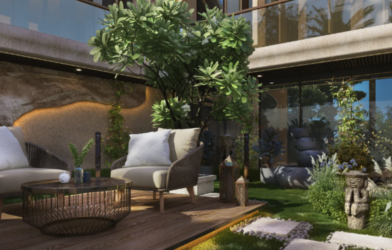
Beyond structural design, sustainability is increasingly visible in community planning. Green zones, landscaped spaces, jogging tracks, and pedestrian-friendly pathways create healthier social ecosystems. These features promote outdoor activity, reduce dependence on vehicles for movement within the community, and propagate stronger community engagement. Many homebuyers focus equally on well-planned outdoor spaces as they do on the home’s interior. This is particularly true in a fast-paced urban lifestyle.
Policy Influence
The growing emphasis on healthier, greener community spaces is not only changing product design but also influencing the regulatory landscape. Government is introducing frameworks that promote sustainable development in the housing sector. Policies supporting green buildings, water conservation, and designs conducive to climate have further accelerated the industry’s move toward responsible development. With regulations becoming more structured and incentives being introduced for environmentally conscious practices, sustainable infrastructure is rapidly becoming an industry norm, instead of a differentiator.
As buyer priorities continue to evolve, the future of mid-segment housing will be shaped by developments that combine affordability with long-term sustainability to emerge as the benchmark for value, livability, and long-term confidence.