Subtotal ₹0.00






Email :18
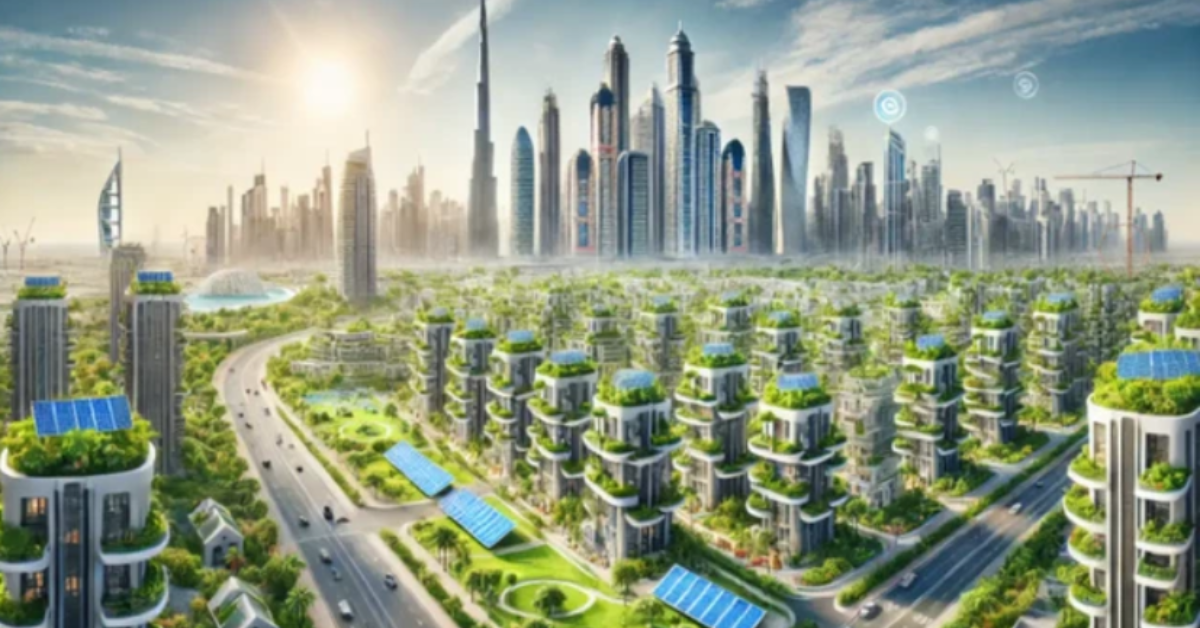
Sustainability is becoming an important measure of asset quality in Indian real estate as occupiers, investors and homebuyers place greater emphasis on operating efficiency, climate resilience and long-term value, according to a new report by Grant Thornton Bharat.
The report titled “Future-proofing real estate: The sustainability imperative,” highlights that green-certified buildings have moved beyond a niche segment to account for roughly two-thirds of India’s Grade A office stock. In Bengaluru and Hyderabad, nearly three in four Grade A office spaces meet green standards, reflecting the growing influence of multinational companies and global capability centres on occupier requirements.
“For decades, India’s real estate story was shaped by three familiar markers: location, square footage and brand. A fourth dimension is now becoming equally important: the sustainability quotient. Across Grade A offices, institutional portfolios, REIT-backed assets and premium residential projects, green-certified buildings are moving from a good-to-have feature to a measurable value driver,” said Chetan Chichra, Partner, Risk Optimisation and Real Estate Industry Expert, Grant Thornton Bharat.
The transition is most visible in commercial real estate, where global corporations, technology companies, financial-services businesses and GCCs increasingly seek buildings that can provide reliable information on energy, water, waste and carbon performance. Green certification and operating data are consequently becoming more relevant to site selection, lease renewal and corporate sustainability reporting.
The report notes that certification remains an important starting point, but the next phase of the market will be shaped by measurable outcomes. Assets that demonstrate operating efficiency, transparent ESG data, climate resilience and credible decarbonisation plans will be better placed to attract occupiers, retain investor confidence and reduce future retrofit risk. Older buildings with weak sustainability credentials could face a potential “brown discount” if they become costlier to operate, finance or upgrade.
In residential real estate, sustainability is becoming part of the premium-living proposition through lower running costs, improved air quality, thermal comfort, water resilience, EV-ready infrastructure and smart energy systems. The report also expects green leases to become more common as occupiers seek auditable information for ESG reporting, while retrofitting older buildings could emerge as a significant opportunity.
“The green premium is increasingly a value equation linking certified design and measurable operating performance with stronger occupier preference, lower transition risk and more resilient income streams,” highlighted Chichra. For developers and asset owners, integrating sustainability at the design and operating stages will be critical to protecting the long-term competitiveness and relevance of their properties.