Subtotal ₹0.00







Email :21
–Vinod Behl
Real Estate leaders from Kolkata talk about the transformative real estate and urban development scenario in West Bengal in general and Kolkata in particular and what the future holds for real estate here.
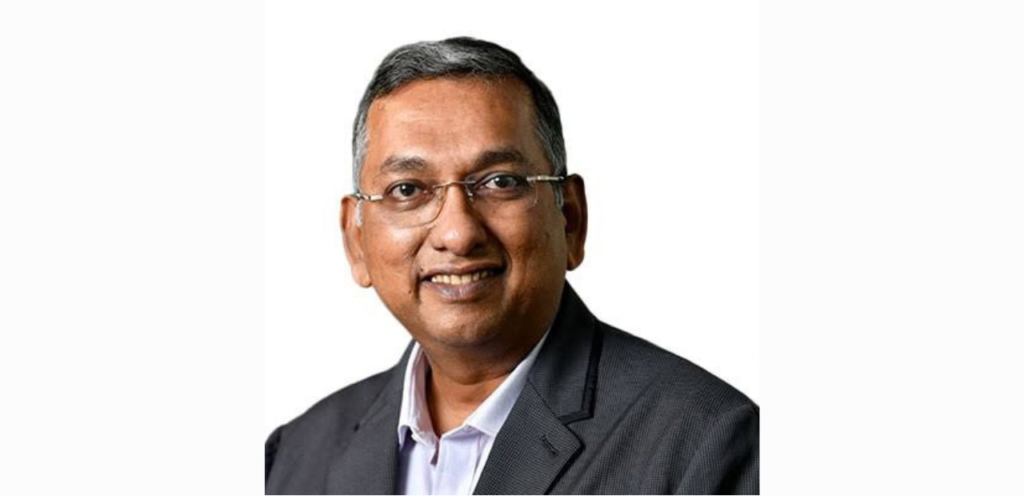
Kolkata and West Bengal are entering an important phase of urban growth, with expanding metro connectivity, road infrastructure and emerging economic corridors creating new development opportunities Over the next 3-5 years, the biggest game changer will be the ability to translate infrastructure investments into well -connected , integrated urban centres.
Areas such as New Town, Rajarhat and the southern growth corridors can benefit from this connectivity -led expansion. Apart from these usual corridors, Kolkata will necessarily grow westward across the Ganges, aided by metro connectivity extending up to Santragachi and an elevated corridor connecting Vidyasagar Setu to Santragachi and Salap, ensuring seamless connectivity between the city’s popular CBDs and West kolkata.
In real estate, micro-locations that score high on the infrastructure story today will see the strongest demand going forward-catching the growth story before the explosion is the right time and now is the time for the west corridor to explode. To unlock this potential , the focus should be on integrated master planning, faster and more predictable approvals, stronger last-mile connectivity and coordinated development of residential, commercial and social infrastructure. Equally important is creating sustainable, well-planned communities that respond to evolving homebuyer expectations.
A closer alignment between infrastructure planning, employment centres and residential development will be critical to making Kolkata’s next phase of growth, both economically productive and more liveable.
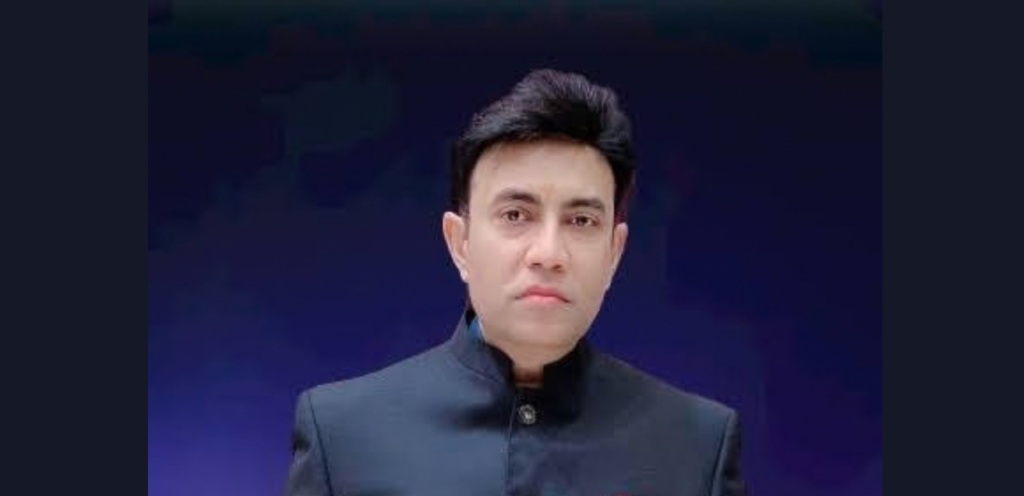
Real estate landscape of West Bengal is undergoing a structural paradigm shift, driven by over INR 1.40 lakh crore in ongoing infrastructure investments . the expansion of the Kolkata Metro network, particularly the East-West , Joka Esplanadeand New Town corridors is unlocking key micro-markets like Joka, Rajarhat and Kona Expressway, driving a 15-20% annual surge in residential demand. Simultaneously , dedicated freight corridors, the Dankuni Industrial hub and the Tejpur Deep Sea Port are positioning the state as prime warehousing centrepiece of Eastern India, fuelling robust suburban commercial expansion while modern buyers increasingly tilt towards low-density wellness -centric green developments.
To fully capitalise on this momentum, the sector requires targeted policy enablers like streamlining WB RERA and single-window municipal approvals to drastically shorten project delivery cycles, granting higher FAR incentives for TOD zones to build dense , smart urban clusters and establishing flexible public-private frameworks to modernise peripheral civic infrastructure . Additionally, reintroducing targeted stamp duty rebates , similar to past success stories , alongside financial incentives or fast-track approvals for green – certified buildings will drastically reduce capital costs and catalyze sustainable , long-term investments across the state.
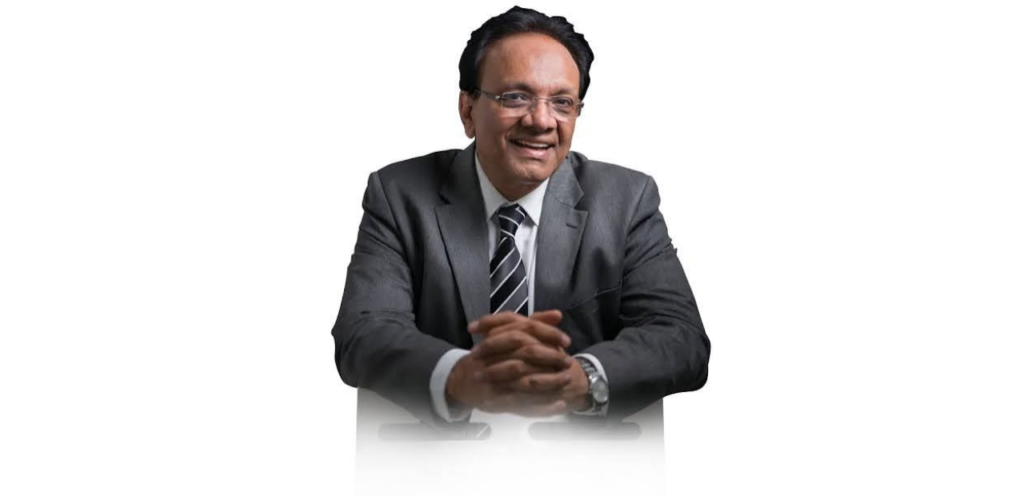
In the next 3-5 years, West Bengal will leapfrog in real estate development as well as in industrialisation , infrastructure creation and attraction of investments. I feel Kolkata has great potential. It is highly developed metropolitan city but compared to other similar metros, it has not been able to attract proportionate investment and real estate growth.
Real estate prices in Kolkata are still very competitive and low compared to Bangalore, Hyderabad or even Chennai, although it has more potential than any of these cities and has a long legacy of business . It also has great potential to attract tourists and has robust agriculture. So, urban development is bound to happen , which will give a big boost to real estate.
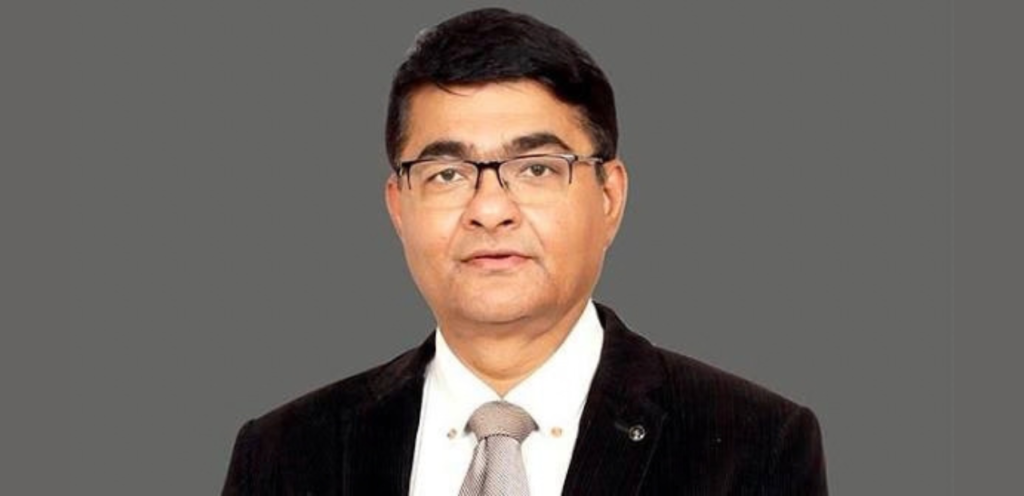
West Bengal today stands at an important inflection point. With the centre and state increasingly aligned on development, the biggest change is perhaps one of perception; there is renewed belief that Bengal can move forward. What is now needed is one iconic , large-scale investment in technology or manufacturing that captures national attention and creates a tipping point for others to follow.
Infrastructure will be critical..The proposed deep sea port , dedicated freight corridors and improved regional connectivity can create entirely new economic and real estate corridors, including Kalyani and Dankuni. Equally important are genuine single-window clearances, easier land policies and a predictable investment-friendly environment. If the state successfully transitions towards an investment-led , revenue-generating economic model, supported by major infrastructure creation, the multiplier effect could be substantial.
Real estate will ultimately follow economic activity, jobs and infrastructure. Create those engines and Bengal’s real estate growth will follow.
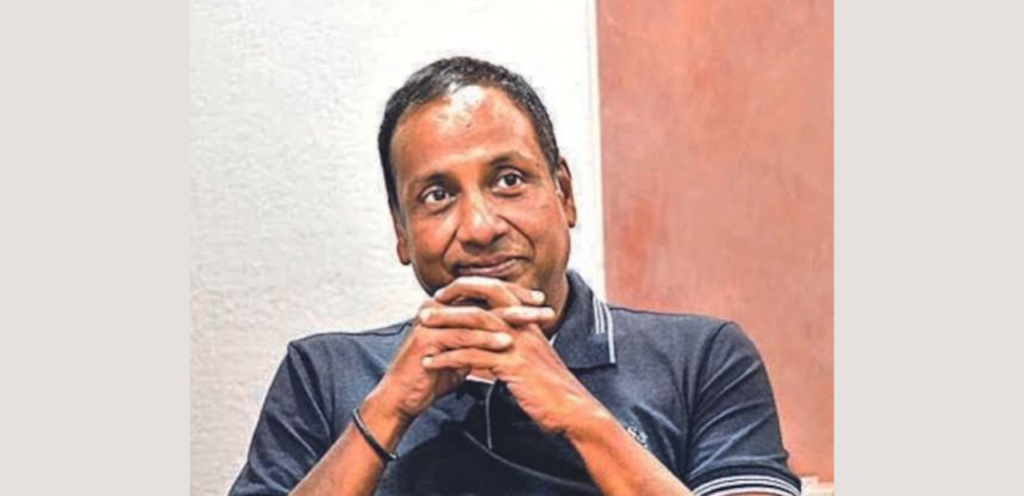
Kolkata’s defining opportunity over the next 3-5 years , will be to translate infrastructure investment into new centres of economic activity and urban living . Expanding metro connectivity , improved regional linkages and investment in industry, logistics and services can broaden the city’s development footprint while creating opportunities across West Bengal.
The game changer will be integrated planning. A transport corridor creates access; housing, workplaces, healthcare, education and public spaces turn that access into a thriving neighbourhood. To unlock this potential , we need coordinated land-use and infrastructure planning, reliable civic services, transparent and time-bound approvals, and a sustained focus on ease of doing business. Equally important is enabling emerging cities and industrial centres across the state to grow alongside Kolkata.
West Bengal’s next chapter of growth should be measured not merely by the infrastructure we build, but by the quality of life, employment and lasting economic value it creates for future generations.
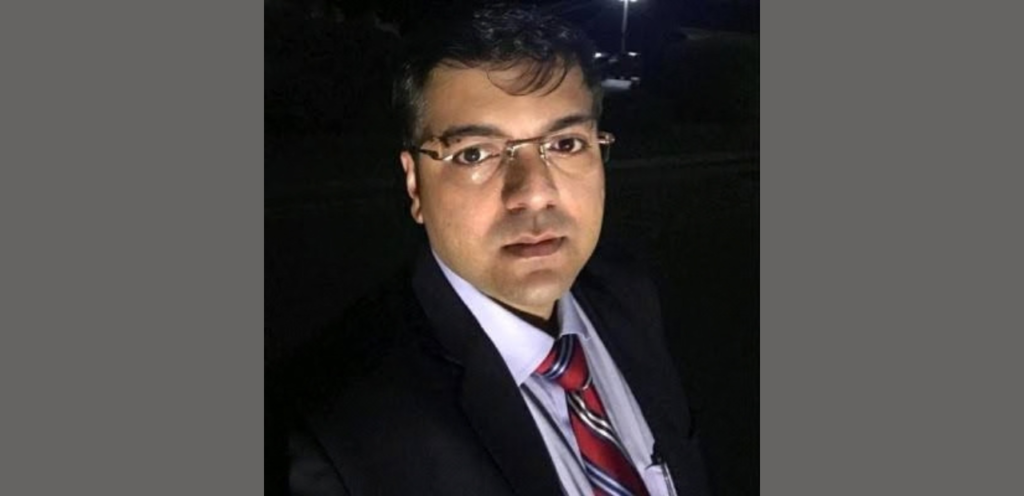
Kolkata’s next phase of real estate growth will be driven by political will and the foresight of the developer fraternity; the two must be mutually inclusive . It will depend on lateral thinking in attracting technology-driven industry, envisioned and implemented with velocity . As the only metro serving the entire East and Northeast India, if we can move these elements together, West Bengal will no longer be dismissed as the wrong geography. It could well be the nation’s next real estate story.
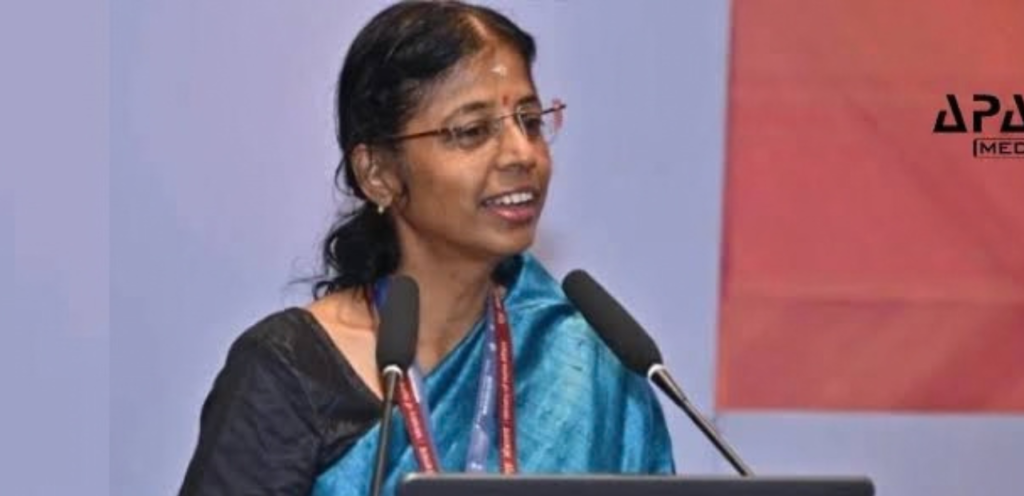
Real estate companies must adopt a scientific approach towards developing housing projects with provisions for green area, rainwater harvesting, water recycling and sewage treatment plants.
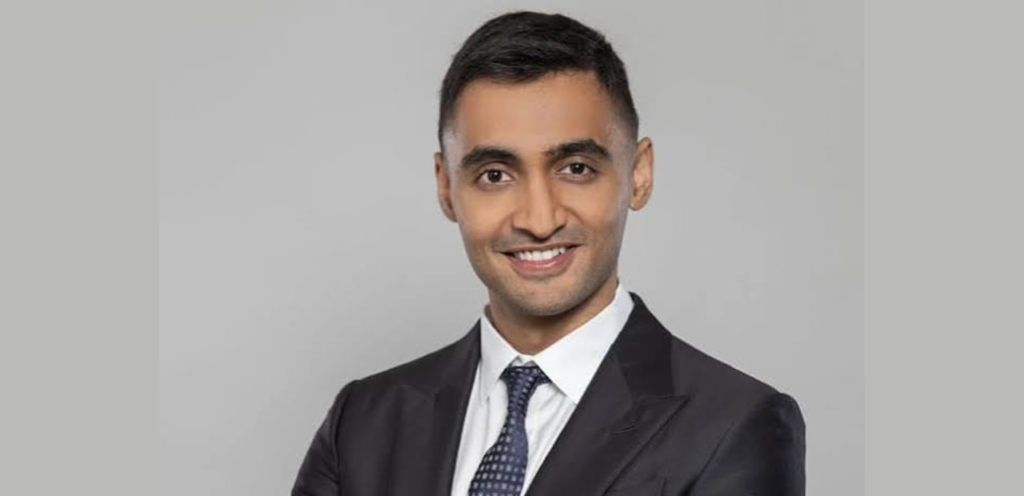
Until developers get hurt and stop supply which could take another 6-7 years, I do not see another upcycle.
A strong balance sheet gives us the patience to wait for the right moment and that patience is a competitive advantage, not a compromise.
The investable opportunity across Tier-2 and Tier-3 cities, satellite markets and emerging corridors will be shaped not simply by infra creation but also by their ability to convert connectivity into sustained economic activity.
Deregulation must define India’s next generation of reforms, with the focus shifting from big ticket changes to dismantling the maze of permissions, approvals, registrations and renewals that continue to burden businesses
Real estate is no longer just a growth beneficiary; it is becoming a critical growth enabler. Going forward, the sector will play a pivotal role in driving investment, creating jobs and enabling the expansion of manufacturing, logistics, technology and new-age businesses.