Subtotal ₹0.00





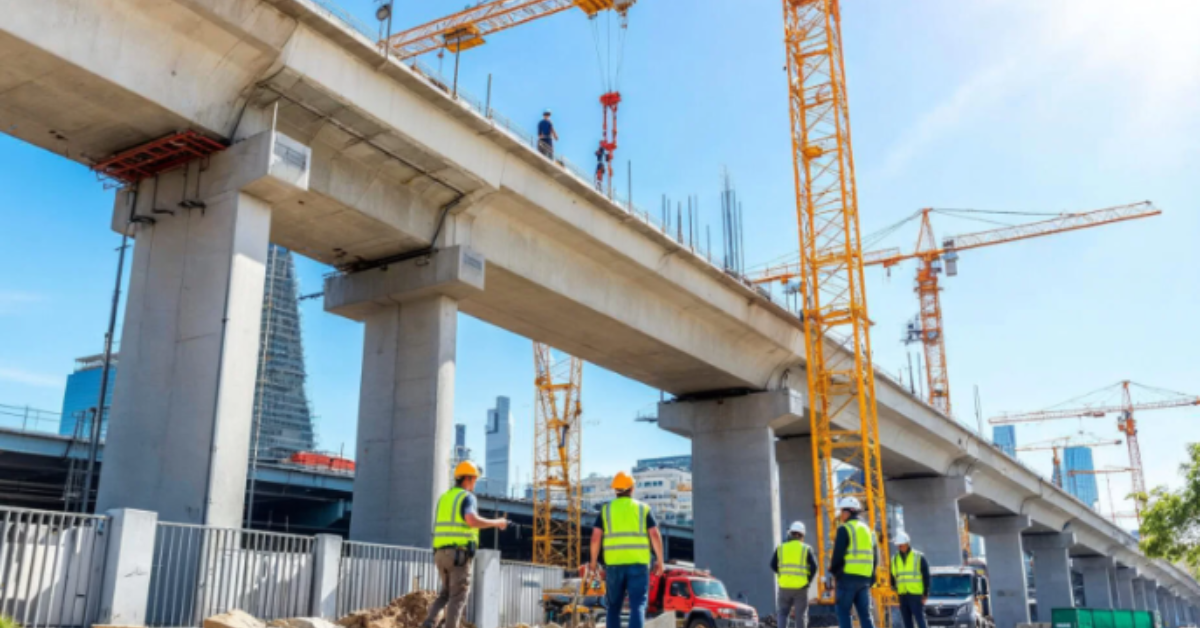

A property is often described as being all about location. But in today’s rapidly developing cities, location is no longer just about where a property is situated. It is also about how easily people can reach it and what is developing around it.
New highways, expressways, metro corridors, airports, business districts, industrial parks and other infrastructure projects are changing the way cities grow. As connectivity improves, areas that were once considered distant or less accessible can gradually become part of the mainstream real estate market.
For homebuyers and property investors, understanding these changes is becoming increasingly important.
Connectivity Is Changing the Meaning of Location
For many years, established neighbourhoods had a natural advantage because they already offered good roads, public transport, schools, hospitals, offices and shopping facilities.
But urban expansion is changing this equation.
A location that may appear far from a city centre today could become significantly more accessible after a new expressway or metro corridor becomes operational.
This is why property buyers are increasingly looking beyond the current infrastructure around a project and asking what the area could look like a few years from now.
The question is no longer simply:
“Where is the property located?”
It is also:
“What will this location be connected to?”
Metro Expansion Is Opening Up New Residential Markets
Metro networks are playing an important role in the expansion of India’s major cities.
Improved public transportation can make commuting easier and connect residential areas with employment and commercial hubs. As new stations and corridors become operational, areas around them may receive increased attention from homebuyers, tenants and developers.
However, the impact of metro connectivity is not always immediate.
A proposed station, an under-construction corridor and an operational metro line represent very different stages of development. Buyers therefore need to look at the actual status of a project rather than relying solely on announcements.
Tracking these developments can help people understand whether a location is already benefiting from improved connectivity or is still in the early stages of development.
Expressways Are Creating New Real Estate Corridors
Road connectivity is another major force behind India’s changing property landscape.
New expressways and highways can significantly reduce travel times between cities and peripheral areas. As accessibility improves, residential communities, commercial developments, warehouses, logistics hubs and industrial projects may begin to appear along these corridors.
The development of one major road can therefore have an impact far beyond the road itself.
For example, a previously less-connected area may become attractive to developers once it gains direct access to a major city or employment centre.
This can gradually create an entirely new real estate corridor.
Airports Can Transform Surrounding Areas
The development of airports can have a similar effect.
Airports require supporting ecosystems, including hotels, offices, retail, logistics, transportation and housing. As these activities develop, surrounding areas can experience increased economic activity.
For real estate investors, this can create interesting long-term possibilities.
But proximity alone does not guarantee property appreciation. The quality of road connectivity, supporting infrastructure, commercial development and actual economic activity around an airport all matter.
This is why infrastructure needs to be evaluated as part of a larger development story.
Employment and Infrastructure Often Grow Together
One of the most important relationships in real estate is the connection between infrastructure and employment .
People generally prefer to live within reasonable commuting distance of their workplaces.
When a new IT park, manufacturing zone, business district, industrial corridor or commercial hub develops, demand for nearby housing can increase.
Better roads and public transportation can further expand the area from which employees can commute.
This creates a cycle:
Infrastructure → Better connectivity → Business development → Employment → Housing demand
The cycle does not happen overnight, but when several of these factors come together, it can significantly influence the evolution of a property market.
Developers Are Following the Growth Corridors
Real estate developers closely monitor infrastructure plans because connectivity can influence the future demand for residential and commercial projects.
As cities expand, developers may look beyond established neighbourhoods and explore emerging corridors where land availability, connectivity and future development plans create new opportunities.
This is one reason why new project launches are increasingly visible around major highways, metro corridors and developing business districts.
For buyers, however, a new project launch should be evaluated on its own merits.
The presence of multiple developments can indicate growing interest in a location, but it can also lead to increased supply. Buyers should therefore consider demand, pricing, project quality and future competition along with infrastructure.
The Rise of Emerging Property Markets
Some of India’s future real estate markets may be areas that are not yet considered mainstream.
Satellite cities, peripheral suburbs and developing corridors can gradually become integrated into larger metropolitan regions.
As infrastructure improves, the distinction between the main city and its surrounding areas can become less significant.
This is particularly relevant for buyers who have a longer investment horizon and are willing to research markets that are still developing.
However, emerging markets also carry uncertainty. Infrastructure projects can face delays, development plans can change and demand may take longer than expected to materialise.
That makes research particularly important.
Why Property Information Is Becoming More Important
With so many infrastructure projects being announced across India, keeping track of every development can be difficult for an individual buyer.
A buyer researching a property may want to understand:
- What infrastructure projects are planned nearby?
- Which projects are currently under construction?
- When are they expected to become operational?
- How will they affect connectivity?
- Are new employment hubs developing nearby?
- Are developers launching new projects in the area?
- How are property prices changing?
- Is rental demand increasing?
- Are commercial developments following residential growth?
Looking at these factors together can provide a much clearer picture than simply checking today’s property price.
Infrastructure Does Not Guarantee Property Appreciation
While infrastructure can play an important role in real estate development, it is important not to assume that every new road, metro station or airport will automatically result in higher property prices.
Property values are influenced by many factors, including supply and demand, economic conditions, interest rates, government regulations, construction activity, employment and local purchasing power.
An infrastructure project may create potential, but the actual outcome depends on how the surrounding ecosystem develops.
For investors, therefore, infrastructure should be viewed as one important indicator rather than a guaranteed investment signal .
Real Estate Is Becoming a Story of Connectivity
The future of Indian real estate is likely to be shaped not just by individual buildings, but by the networks connecting them.
Roads connect communities. Metro systems connect people to jobs. Airports connect cities to national and international markets. Business districts create employment, while residential developments provide housing for the growing workforce.
Together, these elements shape how cities expand.
For property buyers, understanding this bigger picture can make location research more meaningful.
A property that appears ordinary today could become part of a much more connected neighbourhood in the future. At the same time, not every proposed development will deliver the expected transformation.
This makes continuous research and access to reliable market information increasingly valuable.
As India’s cities continue to expand, infrastructure and connectivity will remain two of the key factors influencing where people live, where businesses grow and where new real estate markets emerge .
Platforms such as Property Nivesh can help buyers follow these changes, understand emerging markets and stay informed about the developments shaping India’s property landscape.