Subtotal ₹0.00






Email :69
VINOD BEHL
Maharashtra government’s new progressive and promising ‘ housing policy- ‘My House, My Right’ has raised high hopes of its replication pan-India to revive affordable housing which has been severely hit across India. Though it may serve as a booster for affordable housing, yet it has its own challenges. Industry experts present their views.

SHEKHAR PATEL
President, Credai
Maharashtra government’s ‘My House, My Right’ policy is a welcome and timely initiative. It rightly recognizes that home ownership is central to economic security and social stability. However, reviving affordable housing across India requires more than a single state policy. The biggest challenge today is that the national definition of affordable housing has not kept pace with rising land and construction costs.
Along with demand-side support, we need a realistic affordability definition, faster approvals, lower transaction costs, easier housing finance and incentives for developers to build at scale. Maharashtra’s initiative can become a strong model if supported by broader structural reforms.

ASHWINDER R SINGH
Chairman, CII Real Estate Committee & Vice Chairman, BCD Group
Maharashtra’s policy shift is structurally brilliant because it treats affordable housing as an economic multiplier rather than a social obligation. However, the true litmus test for India will be inter-departmental execution flexibility. If municipal bodies fail to synchronize with the state’s single-window portal or if land litigation delays the 2026 land bank deployment, the capital will lock up.
If executed transparently, this policy provides the exact fiscal and regulatory framework required to decentralize urban growth, unlock Tier-2 corridors and confidently guide India towards its multi-trillion-dollar housing future.
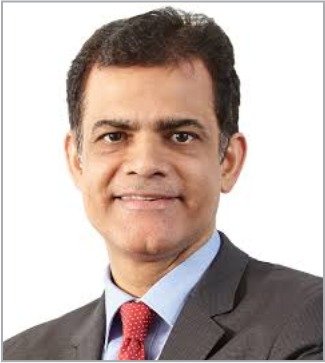
ANUJ PURI
Chairman-Anarock Group
The Maharashtra model policy is a credible step in the right direction-however, it is not a standalone fix to the affordable housing shortage. By combining supply-side incentives, redevelopment and housing for EWS/LIG groups, it can improve viability and expand stock if implementation is disciplined. That said, the segment still remains constrained by land prices, approvals, infrastructure readiness and financing.
Any replication in other states will require local adaptation, not copy-paste application. Ultimately, affordable housing revival will depend on execution, governance, municipal coordination, targeted incentives and importantly release of government land to build affordable housing.

SMITA PATIL
National President, Naredco Mahi & MD, SSPL Group
I believe this policy has potential to become a national benchmark for achieving ‘Housing for All’. It focuses on affordable housing, green construction, transit-oriented development, digital governance and public-private partnerships creates a comprehensive framework for long-term urban growth.
If supported by faster approvals, strong infra investment and effective implementation, this model can be successfully replicated across India, improving home ownership and creating resilient, future-ready cities while ensuring housing remains accessible to every aspiring homebuyer.