Subtotal ₹0.00






Email :79
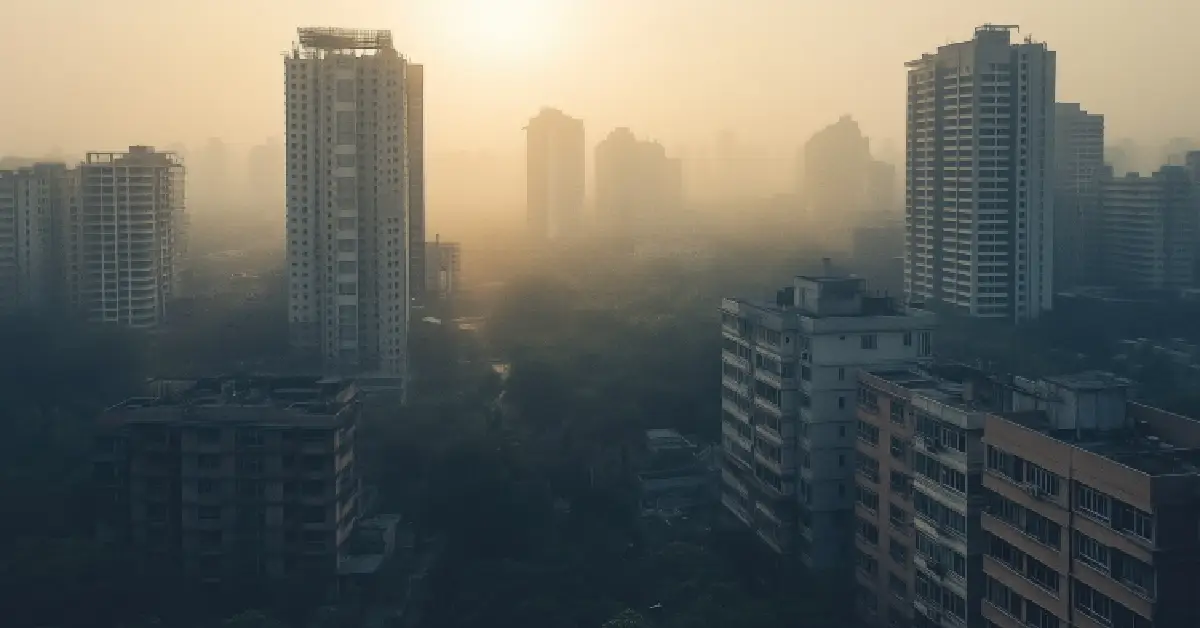
The latest round of anti-pollution restrictions in Delhi-NCR has once again stalled construction activity, raising red flags for developers and homebuyers alike. Industry players say even short GRAP-triggered stoppages can derail execution schedules and inflate project costs, particularly for housing projects nearing completion.
On December 14, the Commission for Air Quality Management (CAQM) invoked Stage IV of the Graded Response Action Plan (GRAP) to improve air quality, as a thick blanket of toxic smog envelops the National Capital Region, according to a report by moneycontrol.com.
The fresh round of restrictions has raised concerns among both homebuyers and developers, who fear further delays. Fresh restrictions will only add to trouble for under-construction projects, which are plagued by labour shortages and rising costs, market observers said. It will also hit construction workers hard as they will lose work.
“Every GRAP-triggered shutdown leads to labour migration, higher remobilisation costs and delayed execution. Projects that were on track risk missing committed timelines, which ultimately hurts buyers,” a developer operating in NCR said on condition of anonymity.
GRAP IV is invoked when the air quality index (AQI) exceeds 450, which falls in the “severe plus” category. This stage includes a complete ban on construction and demolition activities with restrictions on the movement of BS-III and heavy commercial vehicles.
On December 15, Delhi’s AQI stood at 452 at 8 am, according to the Central Pollution Control Board.
All construction and demolition (C&D) activities will remain suspended, including public projects such as highways, roads, flyovers, overbridges, power transmission lines, pipelines and telecom works. It also bans the entry of trucks into Delhi except those carrying essential commodities.
Domino effect
Developers said the sudden stoppage would disrupt schedules, particularly for housing projects nearing completion. Even short interruptions can push delivery dates back by several months due to the cascading impact on labour deployment, material procurement and regulatory approvals.
Repeated construction bans during the winter months are creating structural uncertainties in project planning, industry players said.
The construction sector fully acknowledges the need to address environmental concerns but it is equally important to evaluate the broader impact of such decisions on project timelines and delivery, Parveen Jain, president, National Real Estate Development Council (NAREDCO), said.
Even a month’s ban can lead to delays of two to three months due to labour shortages and supply chain disruptions, he said.
RERA-approved projects that comply with pollution control norms should not be brought under a blanket ban.
“These projects already ensure minimal dust and emissions during construction. Suspending such regulated activities disrupts timelines, puts pressure on financial commitments, and creates a cascading impact on developers, contractors, suppliers, and workers,” he said.
Blanket bans not a solution
Developers also flagged cost pressures, saying repeated stoppages inflate construction expenses due to idle machinery, contractual penalties and higher financing costs.
While industry bodies have reiterated their support for clean-air measures, they have urged authorities to consider more targeted, technology-driven enforcement instead of blanket bans.
They argue that allowing construction at compliant sites using green construction practices could help balance environmental concerns with the need to protect homebuyer interests and economic activity.
CREDAI Western UP president Dinesh Gupta said many projects have suddenly come to a halt, increasing the risk of disruption to schedules.
“We are in favour of environmental protection, but it is essential to adopt balanced and practical solutions that, along with controlling pollution, also allow construction work to continue in a phased and safe manner,” he said.
Gupta added that at a time when the availability of labour is already limited, repeated stoppages accelerate the migration of workers. This has a direct impact on the timely delivery of projects, costs, and the confidence of homebuyers.