Subtotal ₹0.00






Email :39
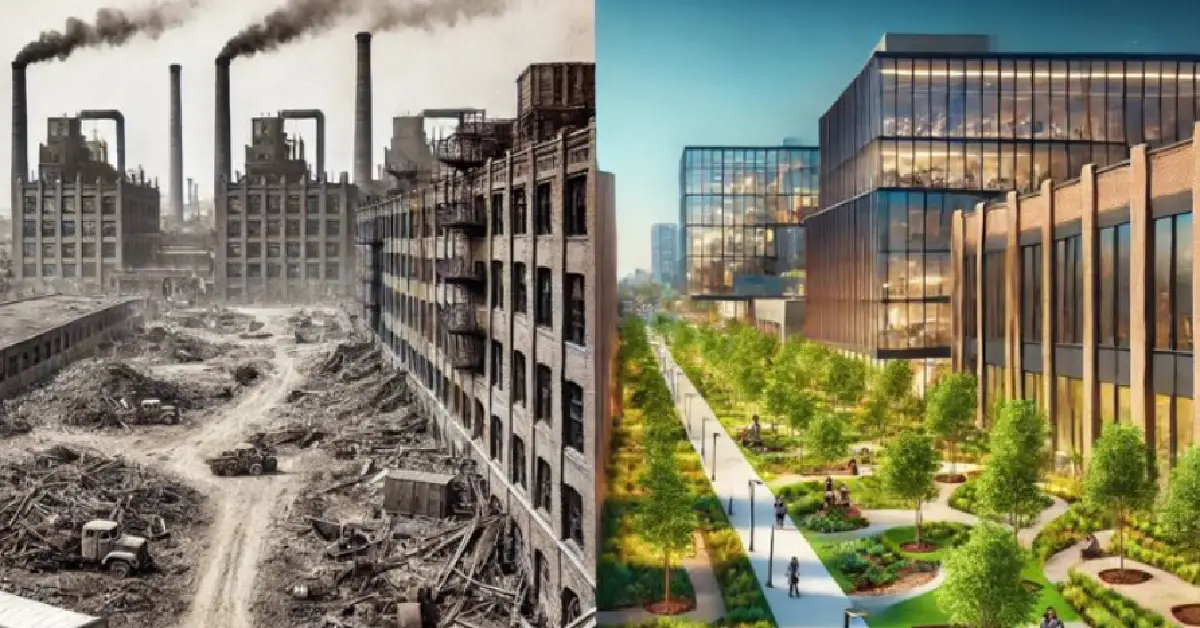
India’s real estate cycle is entering a structural shift. The debate is no longer just about where to build, but how cities themselves are rebuilt. In land-constrained urban centres, redevelopment has moved from a niche opportunity to the backbone of new supply.
For investors, this evolution raises a critical question: does redevelopment offer durable, risk-adjusted returns, or is it a complex, execution-heavy strategy best left to developers?
The answer lies in understanding the forces reshaping the redevelopment market and the way capital is aligning itself with these projects, according to a report by indiatoday.in.
Redevelopment is no longer driven only by ageing buildings or safety concerns. It is now a direct response to the economic reality of Indian cities. In markets such as Mumbai, Delhi NCR and parts of Bengaluru, greenfield land within city limits is either unavailable or prohibitively expensive. As a result, the only way to add meaningful new supply is by rebuilding existing assets at higher efficiency.
This shift is already visible in the data. According to ANAROCK research, luxury residential units priced over Rs 1.5 crore have seen the most significant price gains among all housing categories in India’s leading seven urban markets between 2022 and 2025. At the same time, research by Knight Frank shows that housing society redevelopment in Mumbai is expected to deliver over 44,000 new homes by 2030. This is not incidental supply. It is the dominant supply engine.
Policy has played a quiet but important role in accelerating this trend. Higher permissible FSI in transit-linked zones, faster approvals for cluster redevelopment, and clearer rehabilitation norms have improved project feasibility.
Redevelopment today is not just about replacing old buildings. It is about creating larger, more valuable assets that align with how people live and work now, closer to transport, offices, and social infrastructure.
For investors, this matters because redevelopment captures land value in its purest form. The underlying plot is already proven. What changes is the intensity of use, the product positioning, and the revenue potential. That combination has made redevelopment one of the few segments where value creation is driven as much by planning and execution as by market cycles.
Redevelopment is attractive, but it is not simple. The projects that succeed tend to follow a clear pattern, and investors should be aware of what separates strong opportunities from speculative ones.
One key trend is the growing institutionalisation of redevelopment capital. Over the last two years, several large redevelopment projects in Mumbai and NCR have seen private equity participation at both equity and structured debt levels. This reflects confidence in long-term demand, particularly in premium and mid to upper-mid housing, which continues to see strong absorption. Estimates from JLL suggest that apartments priced above Rs 1 crore expanded their market share from 53 per cent in 2024 to 63 per cent in 2025.