Subtotal ₹0.00






Email :98
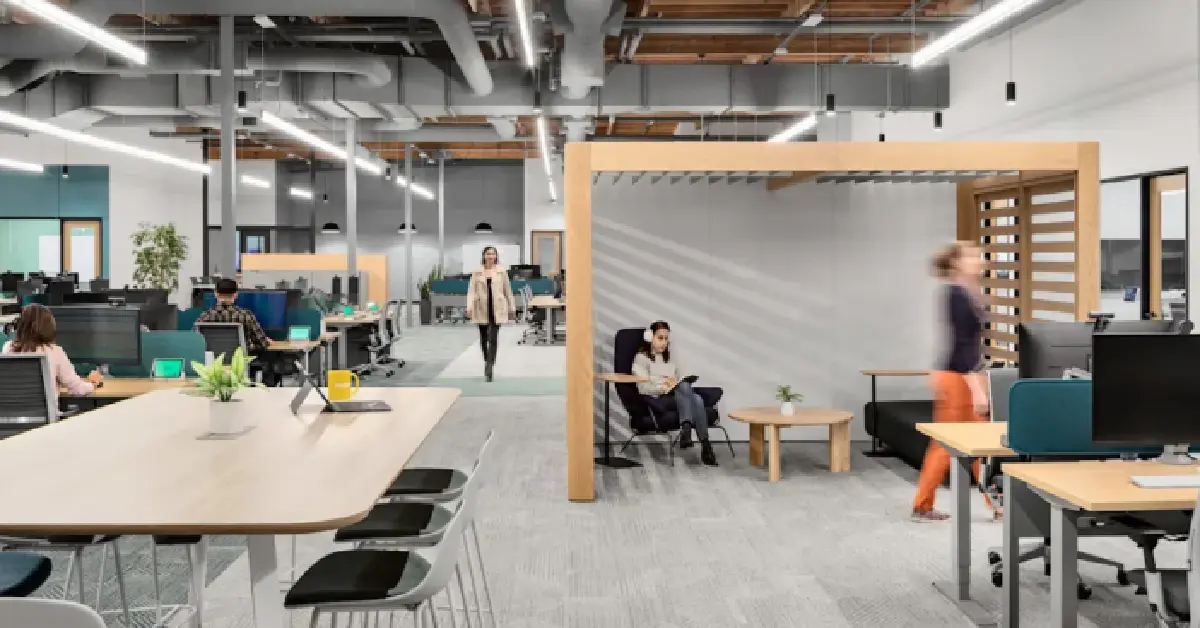
Indian flexible workspace (flex) segment is set to increase its capacity by 16-18% over this and next fiscals to 140-145 million square feet (msf)—after an expansion with ~23% CAGR over the past three fiscals though fiscal 2026—driven by rising demand from small and mid-sized global capability centres (GCCs), domestic corporates and start-ups.
The need among corporates for agility, cost savings and hybrid work models has led to a surge in demand for flexible workspaces. These workspaces provide lower upfront investment, offer flexible lease terms and enable teams to work from convenient locations closer to clients, allowing companies to quickly expand, downsize or establish operations in new cities with reduced risk.
Says Manish Gupta, Deputy Chief Ratings Officer, Crisil Ratings, “Flex operators are emerging as a key growth driver of net absorption in the commercial real estate (CRE) office segment, as reflected in an increase in their share from around 14-15% in the fiscal 2024 to an estimated ~20% in fiscal 2026. Buoyant demand for flexible workspaces is expected to propel their share to about 25% over the next two fiscals.”
Strong demand for flexible workspaces is driving the players to expand their capacities. Flex operators are expected to add capacity of 15-20 msf across new geographies and micro-markets, including Tier II cities, and incur capital expenditure (capex) of Rs 4,000-4,500 crore over the next two fiscals. Given the high demand, most of these flex operators have already received letters of intent from potential tenants for nearly half of their upcoming capacity in the current fiscal.
Our analysis of six major flex operators, which collectively accounted for approximately half of the industry’s capacity as of December 2025, indicates as much.
Flex operators serve a diverse tenant base, including enterprises and start-ups in Information technology/ information technology-enabled services (IT/ITeS), banking financial services and insurance (BFSI), consulting and manufacturing, with a high tenant density of over 150 tenants per msf. The top 10 clients accounted for a modest 15-30% of their revenue between April and December 2025.
A key risk these operators face is mismatch between long-term lease commitments with landlords and shorter tenant contracts, particularly when they are adding capacities. However, diversification across sectors, geographies and tenant profiles along with a track record of lease renewal rates of 70-80% over the past few years partly mitigates this risk.
Diversification will further support occupancy and overall operating profitability. Occupancy, which had surged ~300 basis points over the three years through December 2025, reaching ~84%, is expected to remain steady in the medium term. Similarly, operating profitability, as reflected by Ebitda margin (as per IGAAP[4]), is expected to remain stable at 15-17% over the medium term.
Says Snehil Shukla, Associate Director, Crisil Ratings, “Despite large capex plans, leverage is expected to remain steady for flex operators, supported by healthy cash accruals, adequate to fund three-fourths of the total capex. The remaining portion is expected to be funded through debt. As a result, the net debt-to-Ebitda ratio is projected at around 1 time over the next two fiscals, akin to fiscal 2026 estimates, which should keep credit profiles stable.”
Any significant impact of geopolitical uncertainties which may result in delay in leasing activities by GCCs and/ or artificial intelligence related disruptions which may impact the employee additions and subsequent leasing by IT/ITeS companies, will bear watching.