Subtotal ₹0.00






Email :86
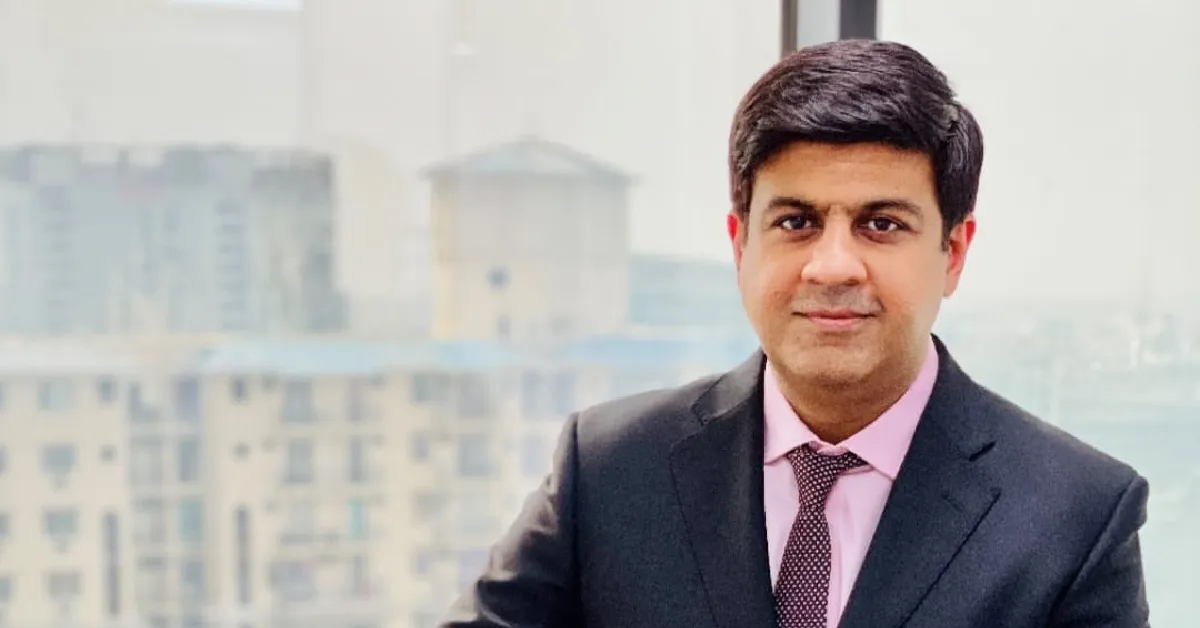
Rajat Kapur, Regional Managing Director, The Executive Centre
For long , workspaces were designed with efficiency, density, minimal overhead costs and standardised spaces. Today, however workspace must offer experiences including valuable interactions , collaborations , creativity and affiliations. In the wake of this transformation, organizations have started thinking about offices not as assets but as platforms for experiences.
The office sector in India has always been viewed from the angle of supply, vacancy, and absorption. However, what really matters in the current state of the commercial property industry goes well beyond square meters and focuses on the experience.India does not have an office problem, it has an office experience problem.
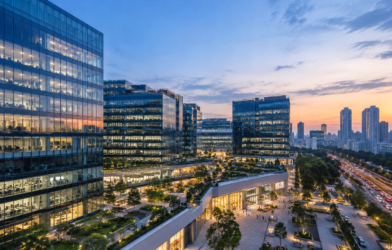
There are a large number of Grade A office buildings across the major business hubs of Mumbai, Bengaluru, Hyderabad, Delhi- NCR, Chennai, and Pune. There have been robust commercial real estate development pipelines, alongside institutional investments in office properties in India. But even though there is plenty of supply, the expectations of the occupiers have changed dramatically. Offices today are not judged simply on their locations, economics, or architectural design. Instead, they are being evaluated on the basis of how well they help people work together, perform, and collaborate.This represents a significant shift in the way offices function.
It had long been the case that workplaces were designed with efficiency in mind, with density, minimal overhead costs, and standardised workspaces. Today, however, with the emergence of different cultures and mindsets of employees, everything has transformed. As such, the workplace must offer experiences that can only be created in an office setting , including valuable interactions, collaboration, creativity , camaraderie, and affiliation. Thus organisations have started thinking about offices not as assets but as platforms for experiences.
.
This trend is evident across large multinationals, GCCs, expanding start-ups or even consulting companies, with an increasing realisation among companies on the importance of the work environment and employee experience.Now, the debate is no longer about the need for office space, but rather how this space affects performance, talent management , creativity, and the overall brand image of the business.
Organisations competing for talented employees have found that work experience is a distinguishing factor. Contemporary workers prefer flexible, healthy, accessible, hospitable, and well-designed spaces for collaboration.An office space that is transactional or uninspiring will not be able to inspire engagement, particularly when younger generations equate workplace quality to company culture. The office has become , in effect, an extension of the employer brand.
For this reason, the desire for experiential office spaces that marry function with hospitality has grown. Flexible office solutions, managed offices, upscale coworking facilities, health-focused office design, community experience design, and hospitality-style amenities are no longer optional extras.Instead, they are becoming core expectations. Such a change is not only transforming the way value is perceived in commercial real estate.
In the past, office valuation was highly dependent on factors like the location, space efficiency, and tenure of the lease. These are all aspects that are still significant; however, today, the tenant sees greater value in aspects such as flexibility, service, ease, and employee-centricity.An office space that encourages engagement and productivity can create better business results compared to a space that only emphasies efficiency. Today, many companies opt for managed workspace solutions because such services offer them flexibility, along with improving their employee experience due to high-end technology and infrastructure.
This phenomenon of experience-driven office spaces is an indication of the changing culture around the concept of work. Office spaces are not just places where tasks are performed anymore; they are spaces where collaboration, innovation, mentoring, networking, and culture building happen. With the development of hybrid work environments, the office space has taken on a more purposeful and human-centred role.
In India, office demand will not be determined simply by how much space is built, but rather by how well the experience of being at work can be designed. Those buildings that do not progress past infrastructure will inevitably become more commoditised, no matter where they are located or how big they are. However, buildings that place emphasis on being flexible, well-designed, healthy, technologically advanced, hospitable, and community-minded will remain more attractive.
India’s market for commercial real estate is embarking on a new era where experience emerges as a key asset class in its own right.In the coming decade, growth in the office market will not just go to spaces that facilitate the act of working, but also places that actually improve how people work, interact, and flourish.From this perspective, the future of the office market in India will not just be about space, rather it will be about building offices that people truly desire to join.