Subtotal ₹0.00






Email :46
India’s luxury retail market is entering a new phase of expansion, but a shortage of premium mall space is emerging as the biggest hurdle for global brands, according to Bharti Real Estate managing director (MD) and chief executive officer (CEO) S.K. Sayal.
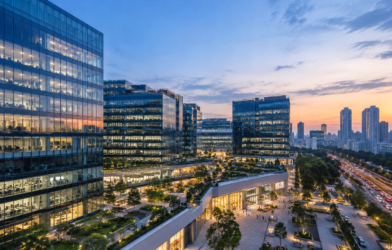
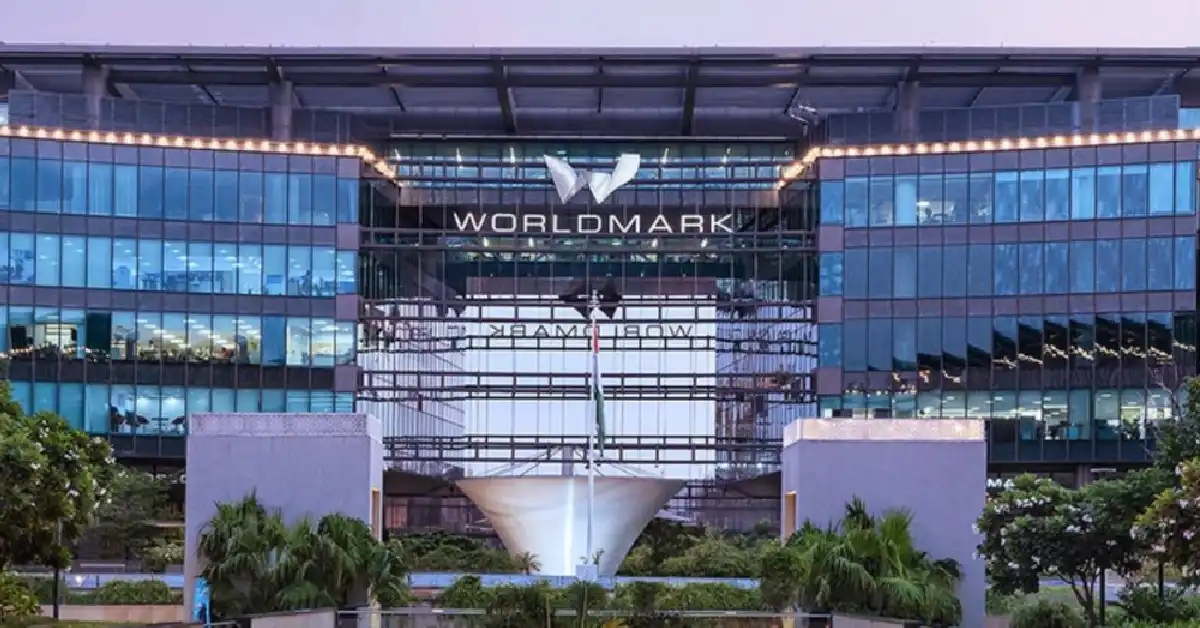
Bharti Real Estate is betting on that gap with The Mall at Worldmark in Delhi’s Aerocity, a luxury retail destination scheduled to open by March 2028, Sayal told Mint. Part of Bharti Real Estate’s broader $2.5 billion Worldmark 2.0 development the project will feature a 3 million sq. ft mall, about 1 million sq. ft of highstreet retail, luxury brands, restaurants and indoor entertainment.
“The economy is growing, the number of millionaires is rising and people are travelling much more. The real question is whether we are ready with the real estate,” Sayal said.
India’s luxury market has long been underserved, with many brands operating just one or two stores to cater to consumers across the country.
“Today, one or two luxury brand stores are serving the whole country. That will change over the next few years. As consumption grows and the right real estate becomes available, brands will expand with multiple stores,” he added.
Sayal’s optimism is echoed by recent industry research. A BCG-Altagamma report released in early July said rising affluence and evolving consumer behaviour are
reshaping the country’s luxury landscape, while projecting the global personal luxury market to grow 2-5% in FY26, driven by broader lifestyle spending and local wealth.
Separately, Knight Frank said India accounted for 2.8% of the world’s ultra-high-networth individuals (UHNWIs) in 2026, up from just over 2% five years earlier. The country’s UHNWI population is projected to increase from 19,877 in 2026 to 25,217 by 2031, pointing to a steadily expanding base of luxury consumers.
The comments come amid tightening supply in organized retail real estate. According to real estate consultancy Anarock’s latest research, retailers leased 4.1 million sq. ft. of Grade ‘A’ mall space across the top seven cities in the first half of 2026, while only 0.9 million sq. ft. of new supply was added. As demand has outpaced new construction, vacancy in the top malls has fallen to 6.7%, the lowest level since 2010, implying there is shortage of quality retail space for both domestic and global brands.