Subtotal ₹0.00






Email :74
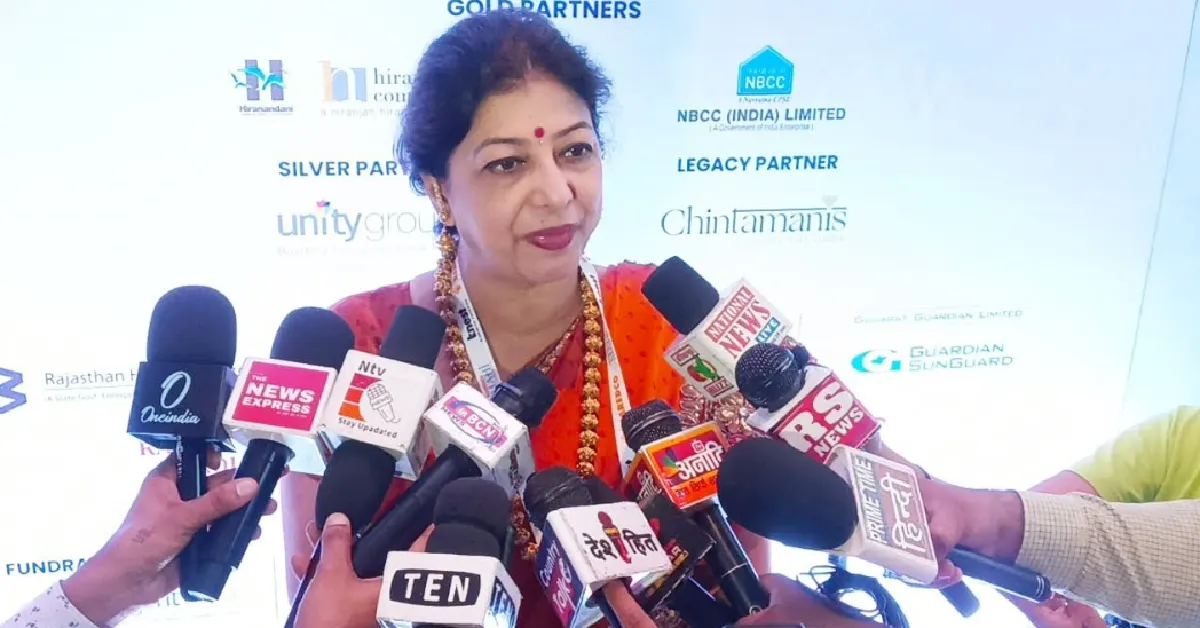
India’s future housing strategy must prioritise vertical development alongside climate-responsive construction to address mounting pressure from urbanisation, rising input costs and climate change, according to Ananta S Raghuvanshi, Chairperson, Naredco Mahi.
Her remarks come as a joint committee set up by the Niti Aayog and the Ministry of Housing and Urban Affairs estimated India’s housing shortage at 5-7 crore homes across metro, urban and semi-urban areas, with limited land availability and affordability among the key structural challenges.
Raghuvanshi said metro cities have limited options to contain housing costs because of shrinking land availability and escalating construction expenses. She noted that the cost of key building materials and labour has increased by 25-30 per cent, even as property prices have not risen at the same pace.
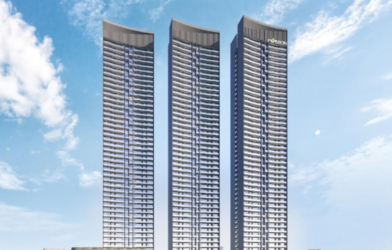
According to Raghuvanshi, vertical development remains the most practical solution for improving land utilisation in metropolitan cities.
She said constructing taller buildings helps distribute land costs across a larger number of housing units, while redevelopment, new growth corridors and unlocking new land parcels can further support housing supply.
The need for efficient land use is expected to become more pressing as urbanisation accelerates. The United Nations estimates that nearly 68 per cent of the global population will live in urban areas by 2050, increasing pressure on cities to provide housing and infrastructure within limited land resources.
Raghuvanshi added that governments have limited scope to make land cheaper in metro cities due to constrained land availability, while Tier-I, Tier-II and Tier-III cities offer greater opportunities for expanding affordable housing.
Climate-Responsive Housing Needed
Raghuvanshi also stressed the need to integrate climate resilience into future housing projects, saying buildings should be designed according to local weather conditions rather than adopting uniform construction practices.
Her comments align with recent warnings from UN-Habitat, which has highlighted the growing risks posed by extreme heat, flooding and other climate-related events to urban housing, underscoring the need for resilient planning and construction.
She said developers should adopt materials and designs suited to local climatic conditions, while urban flooding in major cities can be addressed through better planning and execution.
Raghuvanshi added that although sustainability has become a priority for the housing ministry, private developers must also take responsibility for incorporating climate resilience into future projects