
Subtotal ₹0.00






Email :71
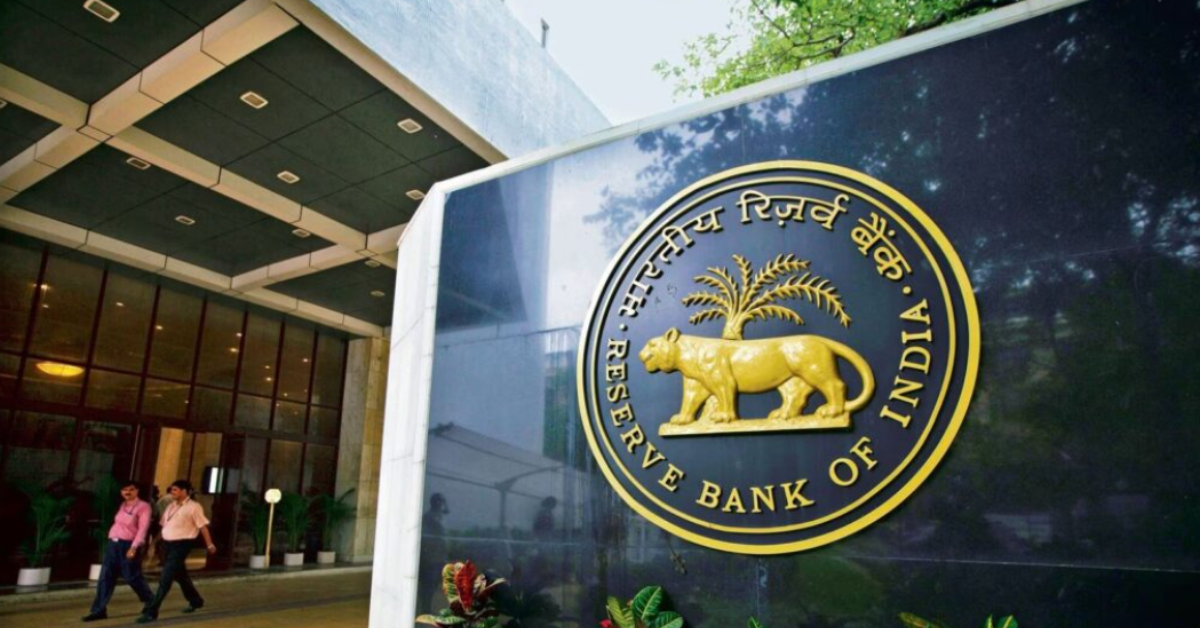
The Reserve Bank of India (RBI) has proposed a comprehensive new framework governing interest rates on loans and advances, with tighter rules on floating-rate loans, greater transparency in pricing and safeguards for borrowers.
The draft Reserve Bank of India (Interest Rates on Loans and Advances) Directions, 2026, if finalised, will come into effect from April 1, 2027. The framework will cover commercial banks, regional rural banks, urban and rural cooperative banks, all-India financial institutions and non-banking financial companies, including housing finance companies, for their domestic operations, the RBI said.
Under the proposed rules, lenders can offer loans at fixed or floating rates. Interest on advances will generally be charged at monthly rests and calculated on a daily reducing balance using the actual/actual day-count convention. Agricultural loans will have separate provisions linked to crop seasons, it said.
External benchmark
A key change concerns floating-rate loans. Commercial banks will have to link all floating-rate personal loans and floating-rate loans to micro, small and medium enterprises (MSMEs) to an external benchmark. These can include the RBI’s policy repo rate, Government Treasury Bill yields or other benchmarks published by Financial Benchmarks India Pvt Ltd, the RBI said. Lenders will not be allowed to price a loan below the applicable benchmark, it said.
The benchmark, reset frequency and reset date will have to be clearly specified in loan agreements. For most lenders, the benchmark reset period cannot exceed three months and, once chosen, cannot be changed during the loan’s tenor. Agricultural loans will have a maximum reset period of 12 months, linked to the crop season, it said.
The RBI has also proposed stricter rules on spreads charged over benchmarks. The spread can include a credit-risk premium, operating costs, term premium and business-strategy considerations. The credit-risk premium must remain positive and can be revised only after a comprehensive review of a borrower’s credit profile. Other components of the spread generally cannot be revised for three years, though lenders may reduce them earlier on justifiable, non-discriminatory grounds.
For microfinance and small-value loans, lenders will have to set an explicit ceiling on the annual percentage rate, including interest and other charges, while ensuring the rates are not usurious. For short-term agricultural loans to small and marginal farmers, total interest and other charges cannot exceed the principal amount, the central bank proposed.
The draft also proposed a one-time migration of existing benchmark-linked loans to the new framework by April 1, 2029. Borrowers must consent to the transition, lenders cannot disadvantage them through a higher interest rate, and no migration charges can be imposed.







[…] premium housing and luxury properties may be better placed to absorb higher borrowing costs, affordability in the […]