Subtotal ₹0.00






Email :79
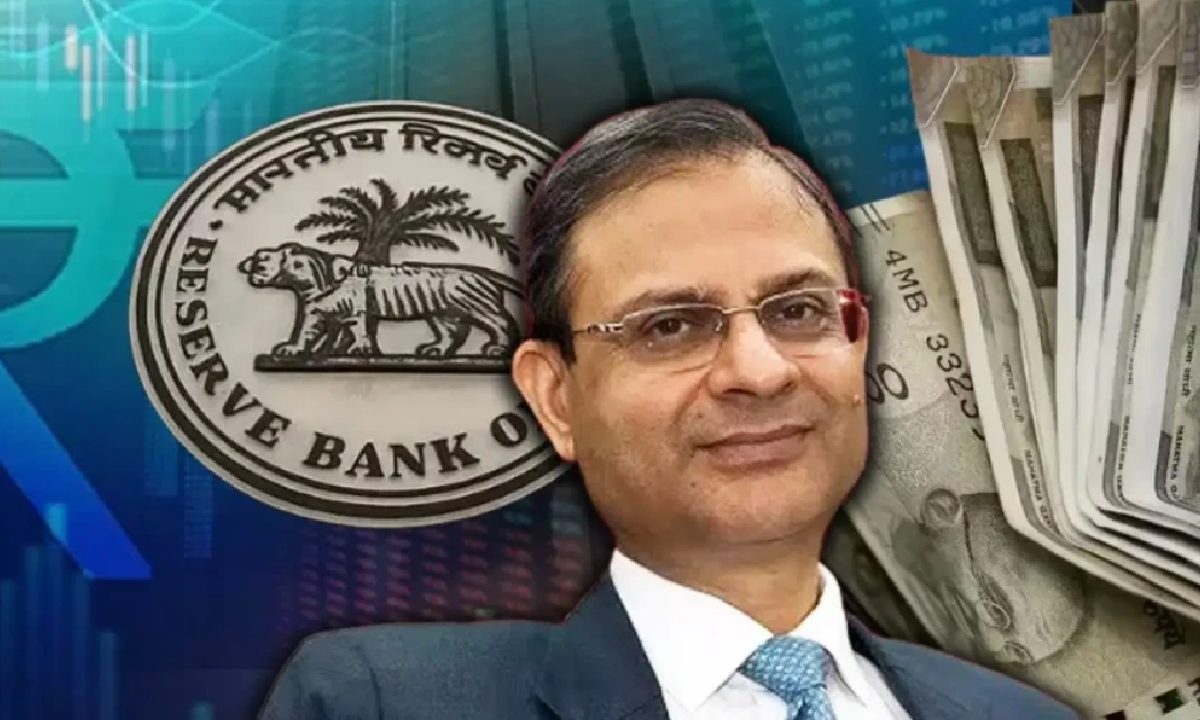
The Reserve Bank of India’s decision to keep the repo rate unchanged at 5.25% has drawn a largely positive response from real estate developers, consultants and financial services firms. Industry leaders said the policy continuity provides stability amid global uncertainties, supports homebuyer confidence, ensures predictable borrowing costs, and allows developers to plan projects more effectively.
However, some experts cautioned that while the rate pause will sustain overall housing demand, it may not be enough to revive the affordable housing segment, where affordability challenges continue to weigh on sales.
Here’s what the experts said:
Shishir Baijal, International Partner, Chairman and Managing Director, Knight Frank India: “Knight Frank welcomes the RBI’s decision to keep the policy rates unchanged, viewing it as a well-calibrated move in an environment marked by inflationary pressures arising primarily from supply-side factors and ongoing geopolitical uncertainties. The decision underscores the central bank’s balanced approach of supporting economic growth while remaining watchful of evolving global and domestic risks. A stable interest rate environment is likely to reinforce buyer confidence, provide greater certainty to businesses and investors, and ensure continued access to affordable financing. For the real estate sector, this policy continuity is expected to sustain housing demand and investment activity, particularly across residential and commercial segments, while supporting the sector’s long-term growth trajectory.”
Anuj Puri, Chairman – ANAROCK Group: “The unchanged policy rate is a welcome signal of stability amid the ongoing macroeconomic uncertainty, but it is not enough to reignite the mass-market housing cycle. ANAROCK’s Q2 2026 data shows that total sales in the top seven cities fell 6% year-on-year to about 90,715 units, while affordable housing supply has fallen to just 6% of total launches even as overall new supply increased 7% year-on-year to about 1.06 lakh units.
This mismatch is the main area of concern. Affordable housing demand remains very rate-sensitive, and with average residential prices still growing at 7% annually across the top cities, rate steadiness alone will do little to improve affordability. The market is obviously moving to a more balanced position overall – but this balance comes from the high-end luxury housing segment, not from the part of the market that drives broad-based homeownership.”
Ashish Narain Agarwal, Founder & MD, PropertyPistol: “The biggest beneficiary of a stable repo rate is not just the banking system as it’s the homebuyer. When interest rates remain predictable, buyers gain greater clarity on their borrowing capacity, EMI commitments and long-term financial planning, enabling them to make purchase decisions with greater confidence rather than waiting for the next policy cycle. This also reduces the risk of affordability shocks during the loan tenure, allowing households to balance home ownership with other longterm financial goals such as retirement planning and wealth creation. As India’s economy is expected to grow by around 6.7% in FY27 and inflation remains within the RBI’s tolerance band, the current policy environment creates a favourable backdrop for asset creation. Home ownership, when backed by prudent financing and disciplined investing, continues to be one of the most effective pillars of long-term wealth creation. The RBI’s policy continuity, therefore, is not merely a monetary decision as it strengthens financial confidence across households and supports sustainable demand in the housing market.”
Vishal Raheja, Founder & MD, InvestoXpert Advisors: “The RBI’s decision to keep the repo rate unchanged at 5.25% reinforces the policy stability that the residential real estate sector needs at this stage of the market cycle. For floating-rate borrowers, it ensures continued stability in EMIs, while prospective homebuyers benefit from greater certainty around borrowing costs and loan eligibility—two factors that significantly influence purchase decisions. For developers, a stable interest rate environment enables better planning of project launches, pricing strategies and capital deployment, helping reduce execution risks. At a time when housing demand is increasingly being driven by urbanisation, infrastructure development and rising household incomes, the sector is becoming less reliant on monetary stimulus for growth. Consistent policy support strengthens buyer confidence and encourages a healthier, end-user-led housing market built on long-term affordability rather than expectations of further rate cuts.”
Adhil Shetty, CEO, BankBazaar: “The RBI’s decision to keep the repo rate unchanged at 5.25% with a neutral stance signals that inflation has once again become the central policy concern. While growth remains resilient, the MPC has made it clear that it wants greater confidence that price pressures will ease before considering any further policy action. The recent rise in inflation appears to be driven largely by food and fuel rather than broad-based demand. At the same time, geopolitical uncertainties and volatile energy prices continue to cloud the outlook. Until inflation shows a more durable moderation, the RBI is likely to prioritise price stability over supporting lower borrowing costs. For households, this means little immediate change. Existing borrowers should not expect any relief in EMIs, while deposit rates are likely to remain broadly stable. The focus for families should now shift from anticipating rate cuts to managing the impact of inflation on monthly budgets.”
Pradeep Aggarwal, Founder and Chairman, Signature Global (India) Ltd: “The RBI’s decision to maintain the repo rate at 5.25% reflects a prudent and balanced approach at a time when the global economy continues to face geopolitical uncertainties and external headwinds. With inflation remaining within the central bank’s comfort range, policy stability provides much-needed confidence to both businesses and homebuyers. The residential real estate sector has witnessed healthy demand in recent quarters, supported by stable borrowing costs and improving consumer sentiment. Continuing with the current rate environment will help sustain housing demand, encourage homeownership, and enable developers to maintain project execution and new launches without disruption. Going forward, a stable monetary policy, coupled with strong economic fundamentals, is expected to support the sector’s long-term growth trajectory.”
Mohit Goel, Managing Director, Omaxe Ltd: “The RBI’s decision to keep the policy rate unchanged reflects a balanced approach amid global uncertainty, inflation concerns, and geopolitical risks. At the same time, India’s economy remains strong, driven by infrastructure development, urbanisation, and steady end-user demand. The rate cuts over the past year have already improved affordability and boosted buyer confidence. Maintaining the current rate now provides much-needed stability and certainty for both homebuyers and businesses.”
Amrita Gupta, Director, Manglam Group and CEO, Manglam Spa & Resorts Pvt. Ltd: “The RBI’s decision to maintain the repo rate at 5.25% provides a welcome sense of stability at a time when consistency in policy is as important as market confidence. A stable interest rate environment encourages long-term homeownership decisions and reinforces positive sentiment among end-users. It also complements the strong fundamentals emerging across Tier 2 markets, where infrastructure-led development and evolving lifestyle aspirations continue to shape demand. As the sector matures, this kind of policy continuity will support thoughtful, sustainable growth and encourage the creation of well-planned communities that deliver long-term value.”
Sandeep Ahuja, MD of Atmosphere Living & One Atmosphere: “The RBI’s decision to maintain the repo rate at 5.25% provides much-needed policy stability at a time when the real estate and hospitality sectors are witnessing sustained momentum. A stable interest rate environment improves financing visibility for developers while also supporting buyer and investor confidence. The upward revision in India’s FY27 GDP growth reflects confidence in the country’s economic fundamentals, which is encouraging for long-term investment in Luxury real estate and hospitality-led developments. With inflation expected to remain at 4.3% and growth outlook improving, the policy strikes a balanced approach between supporting growth and maintaining macroeconomic stability, creating a positive environment for quality developments that cater to evolving consumer and investor aspirations.”