Subtotal ₹0.00






Email :112
India is entering a new era of logistics transformation, with Union Minister for Road Transport and Highways Nitin Gadkari outlining a “Logistics 3.0” roadmap aimed at making the country’s supply chains faster, greener and more cost-efficient.
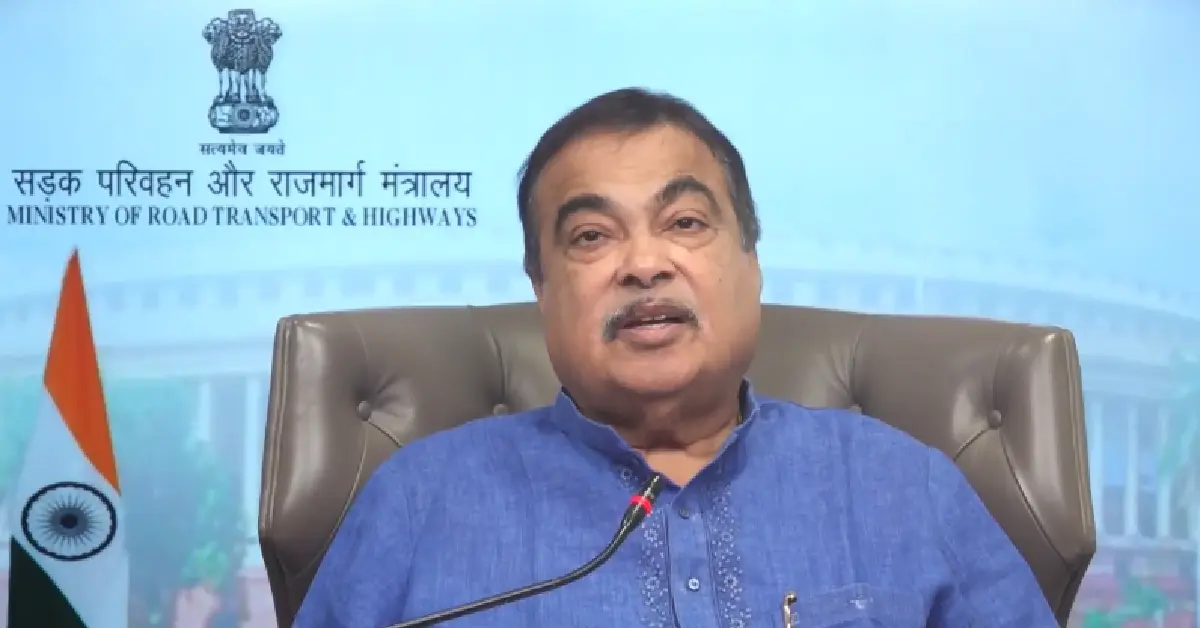
Speaking at the second edition of the Logistics Shakti Summit & Awards 2026, Gadkari said reducing logistics costs and improving operational efficiency would be critical to strengthening exports, supporting MSMEs and accelerating India’s journey towards a USD 5 trillion economy. Union Minister for Road Transport and Highways Nitin Gadkari on Thursday said Logistics 3.0 will be driven by speed, scale, sustainability and technology, outlining the next phase of India’s push to improve supply chain efficiency and reduce costs.
India’s logistics sector handles more than 4.6 billion tonnes of freight annually and employs over 22 million people, underlining its central role in economic activity and industrial growth. Gadkari noted that India’s logistics costs, currently estimated at 14–16 per cent of GDP, remain above global benchmarks, although improvements in road infrastructure have helped bring costs down by 5–6 per cent in recent years.
Shift From Infrastructure To Integration
The minister said the focus is now moving from infrastructure creation to better utilisation through integration and technology-led solutions. He stressed the need for seamless coordination across roads, railways, ports and air cargo, shifting away from silo-based planning towards a unified multimodal logistics network.
India has already made major investments in infrastructure, including more than 2,800 km of dedicated freight corridors and the development of multimodal logistics parks aimed at improving connectivity and reducing bottlenecks.
Gadkari also highlighted the multiplier effect of infrastructure spending, citing studies showing that every Rs 100 invested in highways can generate up to Rs 321 in GDP impact.
Seamless Highway Travel By December
Gadkari said the government is working on a barrier-free tolling system that will allow vehicles to travel without stopping at toll plazas, enabling speeds of 70–80 kmph. “You will not have to stop at any toll gate. The distance you have travelled will be automatically calculated and the amount will be deducted from your account,” he said, adding that the system would save time, fuel and lower logistics costs.
“The focus is on coordination, cooperation and communication among stakeholders,” Gadkari said, referring to the integrated planning framework under PM Gati Shakti. He added that digital and technology-driven systems would play a central role in improving efficiency across the logistics ecosystem.
Despite recent progress, logistics costs in India remain above those in advanced economies, where they typically stand closer to 10 per cent of GDP, underlining the need for further optimisation. Gadkari also stressed the importance of sustainable logistics, pointing to the growing adoption of electric vehicles, alternative fuels and hydrogen as part of the sector’s long-term transition.
He said reducing logistics costs would have a cascading impact on the economy by boosting exports, improving MSME profitability and enhancing agricultural viability. With India targeting a USD 5 trillion economy and the broader vision of Viksit Bharat 2047, Gadkari said the success of Logistics 3.0 would depend on how effectively infrastructure, technology and policy are aligned on the ground.