Subtotal ₹0.00






Email :97
Government initiatives to complete stalled housing projects in India’s real estate sector are beginning to show a significant impact, though there is a need for large-scale implementation. According to a recent Anarock report, over 1,500 incomplete projects, comprising approximately 4.5 lakh affordable and mid-income homes, were stalled in India as of 2024 and an estimated ₹55,000 crore were required for completion.
Role of SWAMIH Fund:
Launched in 2019, the SWAMIH (Special Window for Affordable and Mid-Income Housing) fund was allocated a substantial budget of ₹25,000 crore; official data indicates that construction of over 61,000 units has been completed and of course more under development. Encouraged by these results, the government has set a target to complete another 1 lakh homes nationwide under ‘SWAMIH Fund 2.0,’ infusing an additional ₹15,000 crore via blended finance (sourced from public, private, and NBFC sectors).
Need to Expand the Fund’s Scope:
While the SWAMIH fund facilitates the completion of approximately 1.60 lakh homes, around 3 lakh homes have yet to receive any assistance. Consequently, there is a need to expand the fund’s scope to expedite the completion of stalled projects, shield homebuyers from the dual financial burden of EMIs and rent, and boost the supply of new housing.
Greatest Impact in NCR:
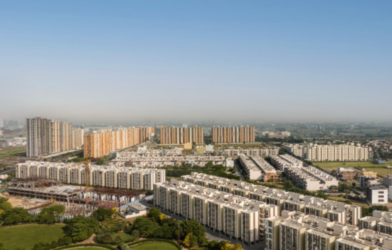
The NCR, specifically Noida and Greater Noida, is emerging as a major beneficiary region. The initiative has paved the way for the completion of about a dozen projects and the delivery of homes to buyers; these projects had previously stalled due to a lack of funds, despite being 50–80% complete. The receipt of funds has not only enabled the completion of several projects but has also allowed some to clear 100% of their outstanding dues.
The KVD Wind Park project is being completed with the help of Rs. 195.50 crore from the SWAMIH Fund, after being rescued from insolvency proceedings by Real Estate Asset Resolution Company Pvt. Ltd. (REARCO). Approximately 650 homes will be ready, accommodating 400 existing homebuyers.
Gitanjali Khanna, MD, REARCO, says, “They are likely the first entity to secure SWAMIH Fund support for a project after extracting it from NCLT proceedings. The SWAMIH Fund and its oversight have played a pivotal role in the project’s completion. We have paid all dues of all parties pertaining to the land.”
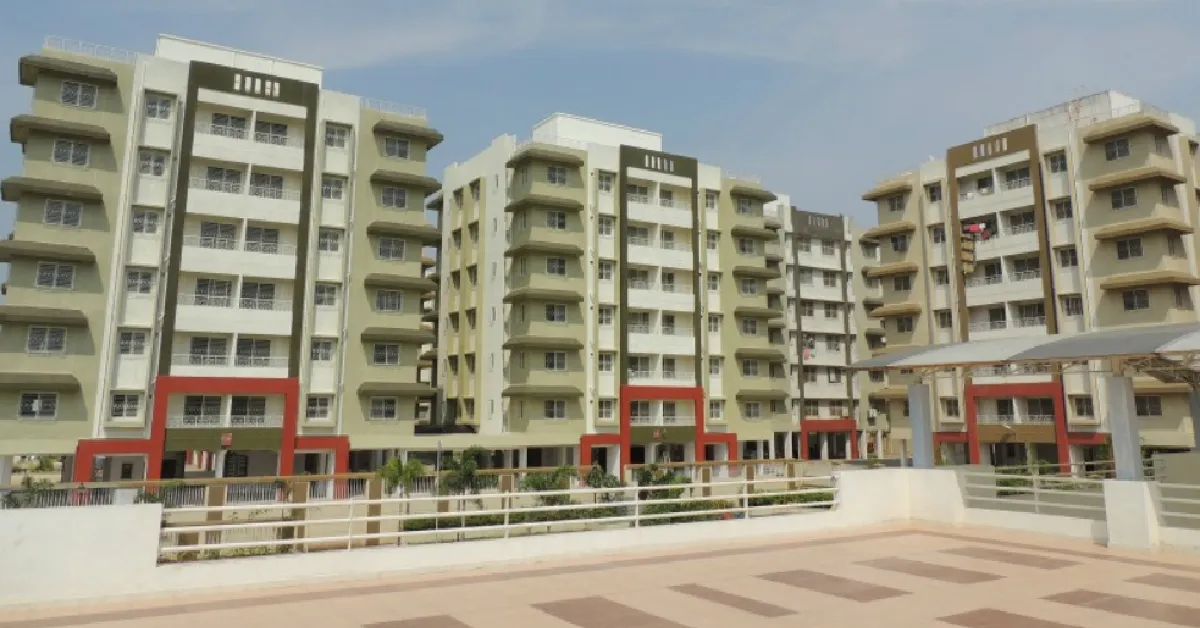
SWAMIH rescued another project in Gr Noida West. Construction of 316 units at ‘Antariksh Valley’, a project by Diligent Builders that had been stalled for a decade, is being completed with Rs. 115 crore from the SWAMIH Fund. According to the company’s COO, Ashwani Nagpal, the infusion of SWAMIH funds has transformed a project where construction had been halted for years; now, ‘ready-to-move’ homes are available with registration facilities, and construction on the second tower has been accelerated.
The Need for Fund Allocation
There is no shortage of demand or projects in the affordable and mid-income housing segments in the country; however, there is a need for proper fund allocation. This would ensure timely support for projects, enabling their completion and ensuring the supply of homes to buyers in areas where demand is high.
Did not see scope of Govt. backed funds, many promoters involved private parties and self-funds to revive viable projects. The ‘Thrive’ project by the Renox Group in Greater Noida West has been developed on the land of a previously stalled project. Group Chairman Shailendra Sharma explained that to revive an incomplete project, they first had to clear outstanding dues owed to the authority, banks, and allottees; only then could a new project comprising 400 units be launched. In this context, the easy availability of funds like SWAMIH can breathe new life into many stalled projects.
Strangely, projects facing NCLT seriously need funds for completion but hardly get. Himanshu Garg, Director of the RG Group, states that through the ‘reverse insolvency’ process at the NCLT, they completed over 1,900 units at ‘RG Luxury Homes’ in Greater Noida West. This was achieved under the supervision of the IRP and with financial support from a non-government financial institution; the processes for possession and registration are currently underway.
Atul Kumar Singh, Director of Vision Business Park, believes there is no shortage of projects that are 30% complete and possess a positive net worth. However, to unlock these projects, region-wise multiple fund pools and top-up facilities need to be created. This would enable the maximum number of projects to receive support and reach completion, while also mitigating the impact of fluctuating construction costs—ultimately benefiting affordable and mid-income homebuyers.
There are numerous projects which are stalled due to poor policy norms, tied by strict legal boundaries and lack of trust but financially viable. Such projects are being revived by individual efforts or new promoters stepping in to fund, construct and obtain OC to enable the project for retail sales as per terms and conditions of the Regulator and financial institutions. This clearly indicates that if funds like the SWAMIH Fund are easily accessible, distressed projects can be revived and completed in a shorter timeframe.