Subtotal ₹0.00






Email :124
Modern luxury developments are no longer being designed around square footage alone. They are being designed around human behaviour, emotional wellbeing and lifestyle.
Jasna Bedi , Director, BCD Group
Luxury real estate is undergoing one of its biggest identity shifts in decades. For years, the industry sold aspiration through scale – bigger apartments, taller towers, larger clubhouses and increasingly extravagant amenities. But the modern luxury buyer is no longer impressed by excess alone. Wealth today has become more experience-driven, emotionally aware and lifestyle focused.
People are no longer buying homes only as assets. They are buying environments. This is precisely why resort-style living and hospitality-led branded residences have emerged as one of the most powerful forces shaping global real estate today. What was once considered a niche segment has now become the benchmark for premium urban living.
The influence of luxury hospitality on architecture and design is no longer subtle – it is redefining the entire residential landscape. Today’s buyer has travelled extensively, stayed at the world’s best hotels and experienced highly curated environments across cities like Dubai, London, Singapore and Miami. Naturally, expectations from residential developments have changed dramatically. Buyers now expect the same level of sophistication, service, calmness and operational excellence from the place they call home. And architecture has had to respond to changing aspirations and expectations of homebuyers.
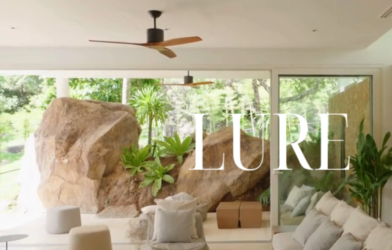
As such, modern luxury developments are no longer being designed around square footage alone. They are being designed around human behaviour, emotional wellbeing and lifestyle experience. This is a fundamental shift. The old formula of marble-heavy lobbies and oversized chandeliers is losing relevance. Quiet luxury has replaced loud luxury. Design language globally is moving toward softer palettes, natural textures, wellness-orientedspaces and environments that feel emotionally restorative rather than visually overwhelming. People want homes that slow them down, not spaces that constantly try to impress them. This shift has also transformed how developers think about planning. Earlier, residential projects were designed to maximise saleable inventory. Today, the strongest luxury developments are prioritising low-density layouts, privacy, natural light, landscaping and spatial fluidity. Developers are increasingly understanding that exclusivity is not created through decoration – it is created through experience.
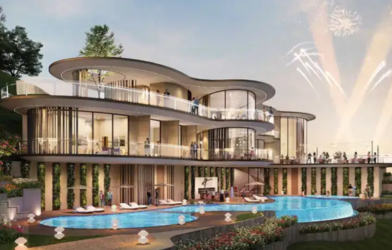
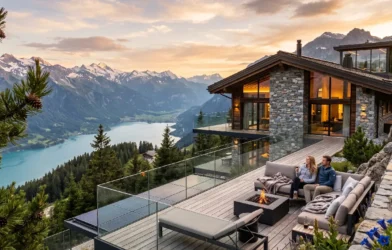
Hospitality-led living has introduced an entirely different design philosophy into residential real estate. Hotels have always understood something residential developers often ignored for years – how a space makes people feel matters just as much as how it looks. That thinking is now influencing everything from arrival experiences and lobby design to wellness integration, scent planning, lighting strategy and service infrastructure. Luxury residences today increasingly resemble private resorts rather than conventional apartment buildings. Residents expect spa-inspired wellness areas, concierge services, curated social spaces, private lounges, wellness gardens, co-working environments, resort pools and seamless indoor-outdoor transitions. But beyond amenities, they expect a certain emotional atmosphere – calmness, efficiency, privacy and effortless living.
This evolution has become even more pronounced after the pandemic. People became acutely aware of the relationship between space and wellbeing. Natural ventilation, open terraces, greenery, sunlight and flexible living environments moved from being “good-to-have” features to essential design priorities. The psychology of luxury has changed. Today, buyers are willing to pay a premium for homes that offer peace, privacy and wellness integration rather than just central addresses. In many ways, luxury real estate is moving closer to preventive lifestyle design.
Branded residences have accelerated this transformation significantly. Global hospitality brands entering residential real estate have brought operational discipline, design consistency and service-led thinking into the sector. Buyers are increasingly associating branded living with trust, maintenance quality and long-term value preservation.
And importantly, branded luxury living is no longer restricted to beachfront destinations or holiday markets. Urban centres are now aggressively adopting resort-style residential planning because modern consumers want retreat-like experiences within fast-moving cities. In high-pressure urban environments, luxury is increasingly being defined by emotional escape.This is where architecture becomes deeply strategic. The future of high-end residential development will not be determined only by location or pricing. It will be determined by how intelligently projects integrate wellness, hospitality, technology and human-centred design into everyday living.
Technology, too, is quietly reshaping this segment. Smart automation, air purification systems, touchless access, personalised resident services and sustainability-led planning are becoming embedded into luxury developments. However, the best projects are those where technology remains invisible – supporting the lifestyle without making the home feel mechanical. The most successful luxury spaces today are the ones that feel effortless and perhaps that is the biggest transformation of all. Luxury is no longer about showing wealth. It is about protecting quality of life. People want homes that reduce stress, simplify living and create emotional comfort. They want environments that feel curated, timeless and deeply personal. That is why hospitality-led living is not a passing trend. It is a structural shift in global real estate. Architecture and design are no longer simply about constructing residences. They are about engineering experience. The developers who understand this shift early will define the next era of luxury living. The ones still relying on outdated formulas of excess and superficial grandeur risk becoming irrelevant in a market that has become far more emotionally intelligent than before.