Subtotal ₹0.00






Email :68
Authored by Mohit Kalia, Sr. Vice President-Sales & Marketing, HCBS Developments Ltd
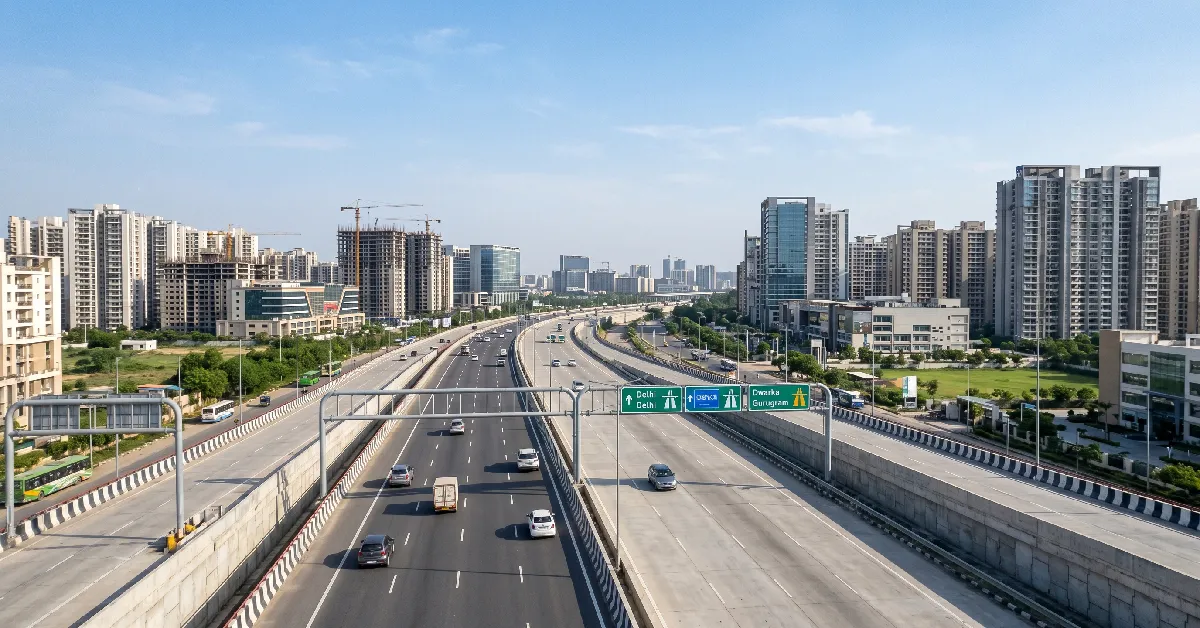
NCR is currently witnessing a defining phase of infrastructure expansion, where the conversation around real estate is gradually moving beyond traditional location advantages toward the larger value of connectivity and urban integration. From expressways and elevated corridors to metro expansions, airport-linked routes, and intercity road networks, the region’s mobility landscape is being reshaped at an unprecedented pace. This transformation is not only improving commute efficiency but also influencing how buyers and investors evaluate long-term potential. Today, factors such as seamless accessibility, reduced travel uncertainty, and integration into larger mobility ecosystems are carrying as much weight as the address itself. In many ways, connectivity has emerged as one of the strongest drivers of confidence in NCR’s evolving real estate market, particularly along strategically positioned corridors like the Dwarka Expressway.
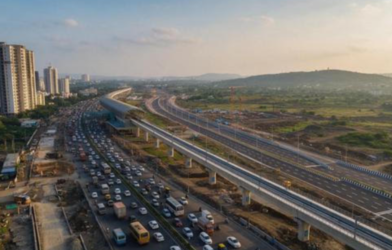
Further strengthening this shift is the scale and simultaneity of infrastructure development currently underway across NCR. A series of strategic projects, including the AIIMS–Mahipalpur–Gurugram elevated corridor, UER-II service roads, the Delhi-Mumbai Expressway connector, the Ashram-Badarpur stretch, the Punjabi Bagh–Tikri Border corridor, and upgraded connectivity between Vasant Kunj and Faridabad, are collectively redefining regional movement patterns. Beyond improving signal-free travel and reducing congestion, these developments are expected to significantly enhance airport accessibility, cross-border NCR connectivity, logistics efficiency, and overall commuting predictability. More importantly, these are not being viewed as standalone road projects anymore. Together, they are gradually creating an interconnected mobility grid that is reshaping how people live, work, and invest across NCR.
Amid this broader infrastructure transformation, Dwarka Expressway has evolved from being perceived as an alternative transit route into one of NCR’s most strategic urban corridors. Its importance today extends far beyond improving travel between Delhi and Gurugram. The corridor is increasingly emerging as a high-growth residential and commercial belt, supported by seamless connectivity to IGI Airport, NH-48, UER-II, and the larger Delhi-Mumbai Expressway network. Its proximity to established and emerging business districts has further strengthened its positioning among both end-users and long-term investors.
What makes Dwarka Expressway particularly significant is the way it now integrates into NCR’s larger mobility ecosystem rather than operating as a standalone stretch of infrastructure. With improved connectivity toward North, West, and South NCR through UER-II and other regional linkages, the corridor is gradually becoming a central connector within the region’s expanding urban framework.
Besides, the growing confidence around Dwarka Expressway is now becoming increasingly visible in the region’s real estate activity as well. Over the span of 14 years, the property value increased five times in the region and has almost risen to 79% in just five years. The corridor has witnessed a noticeable rise in luxury and premium housing launches, accompanied by stronger end-user participation, expanding retail presence, and increasing commercial interest. Institutional attention toward the micro-market has also grown steadily, largely because infrastructure visibility tends to create stronger long-term confidence around asset appreciation and occupancy potential.
Developers are increasingly focusing on experience-led residential communities that cater to the evolving lifestyle aspirations of modern homebuyers, with projects offering premium amenities such as landscaped greens, clubhouse ecosystems, wellness and fitness zones, sports infrastructure, and smart security systems. This shift toward lifestyle-oriented development is further strengthening the corridor’s appeal among affluent buyers and long-term investors. Institutional attention toward the micro-market has also grown steadily, largely because infrastructure visibility tends to create stronger long-term confidence around asset appreciation and occupancy potential. As connectivity networks continue to mature and urban infrastructure deepens across the corridor, Dwarka Expressway is expected to continue witnessing sustained growth in premium residential development.
One of the clearest indicators of this momentum has been the sharp revision in circle rates across several sectors along Dwarka Expressway in 2026, with some pockets witnessing among the steepest hikes in Gurugram. Such upward revisions in government valuations are often seen as a reflection of improving market fundamentals and growing confidence in the corridor’s long-term growth trajectory. As connectivity networks continue to strengthen, Dwarka Expressway is increasingly being viewed not just as an emerging micro-market, but as one of NCR’s next major growth corridors.
Moreover, across NCR, infrastructure today is influencing far more than just commuting convenience. It is shaping investment sentiment, strengthening long-term value perception, and creating greater confidence around future urban expansion. In corridors like Dwarka Expressway, real estate growth is no longer being driven purely by speculative optimism or short-term momentum. Instead, it is increasingly backed by visible infrastructure progress, stronger regional integration, and sustained urban planning initiatives that are transforming the corridor into a more mature and dependable investment destination. This shift is particularly important because investors today are placing greater trust in markets where physical connectivity, civic upgrades, and economic activity are evolving together in a more structured and future-ready manner.
Looking ahead, Dwarka Expressway appears well positioned to play a far more expansive role in NCR’s urban growth story. As NCR enters a more connectivity-led phase of development, micro-markets that are deeply integrated into larger mobility and transit frameworks are expected to continue attracting sustained investor attention. In many ways, Dwarka Expressway reflects the direction in which NCR’s future growth is headed — more connected, more integrated, and increasingly driven by infrastructure visibility.