Subtotal ₹0.00






Email :67
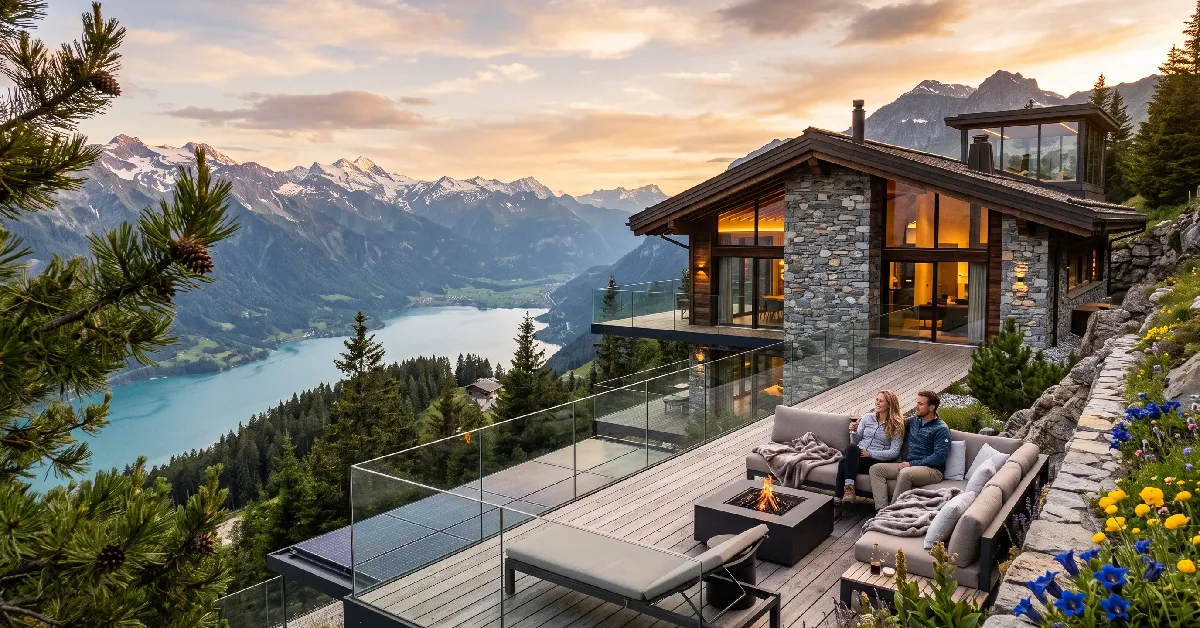
For decades, luxury real estate in India was largely defined by prestigious urban addresses, towering skylines and proximity to commercial hubs. However, buyer aspirations are evolving. A growing segment of HNIs, NRIs and second-home seekers is increasingly looking beyond metropolitan centres in search of a more enriching lifestyle. Today, luxury is being redefined through wellness, privacy, expansive open spaces and a deeper connection with nature. From spiritually significant towns to serene landscapes, destinations that offer a sense of balance, exclusivity and emotional well-being are emerging as the new frontiers of premium living, reflecting a broader shift from status-driven ownership to experience-led lifestyles.
According to India Sotheby’s International Realty’s Luxury Residential Outlook 2026, while 57% of wealthy Indians plan to continue investing in real estate over the next two years, preferences within the segment are evolving. Among those purchasing second homes, nearly 46% preferred farmhouses near city peripheries, ahead of hill destinations and beach locations, signalling a clear inclination towards nature-centric living. As buyers seek cleaner environments, greater privacy and a stronger connection with nature, destinations such as Haridwar, Rishikesh and Shirdi are emerging as compelling alternatives where luxury is increasingly defined by well-being, exclusivity and quality of life rather than merely location and price.
Several factors are contributing to the growing appeal of nature-led destinations among affluent homebuyers. The post-pandemic emphasis on physical and mental well-being has encouraged many to seek environments that offer cleaner air, open spaces and a slower pace of life. At the same time, the rise of remote and hybrid work models has reduced the need to remain tethered to metropolitan centres, enabling individuals to spend extended periods in second homes and lifestyle destinations. For many investors, these destinations also present an opportunity to diversify their real estate portfolios by entering emerging markets that combine lifestyle value with long-term growth potential.
Among the destinations witnessing this shift, Haridwar is emerging as a preferred choice for buyers seeking a harmonious blend of spirituality, wellness and modern living. Often referred to as Dev Bhoomi and regarded as the gateway where the sacred Ganga descends, Haridwar has long been associated with spirituality, reflection and renewal. In recent years, however, it has also emerged as a recognised centre for wellness, yoga and Ayurveda, attracting individuals seeking a healthier and more balanced way of life.
At the same time, the emergence of organised residential developments, gated communities and professionally managed residences is reshaping the city’s real estate landscape. For many buyers, Haridwar offers a rare combination of spiritual grounding, lifestyle comfort and long-term investment potential, making it an increasingly compelling destination beyond traditional urban markets.
Dr Annkit A Jayant, CEO, HP Global Infrra, “Over the last few years, we’ve witnessed how affluent buyers perceive luxury homes in nature-led destinations. Earlier, these purchases were largely aspirational or occasional-use assets. Today, they are becoming an extension of everyday living. Haridwar is benefiting from this transition because it offering space, tranquility and a genuine sense of well-being. Buyers are increasingly drawn to destinations where they can spend meaningful time with family, reconnect with nature, and maintain a healthier lifestyle. Luxury, in this context, is about having access to an environment that enriches daily life while also offering long-term value.”
Further, globally recognised for its yoga, meditation and holistic wellness ecosystem, Rishikesh has evolved beyond its identity as a tourism hotspot to become a sought-after lifestyle destination. A growing number of wellness-themed township developments and curated residential communities are catering to buyers who seek more than just a home. As wellness becomes a defining element of luxury, the city is witnessing growing interest from those looking to invest in experiences, personal well-being and a deeper connection with their surroundings.
Sanchit Jain, Director, Sarvottam India, says, “The growing demand for wellness-themed townships in Rishikesh reflects a broader shift in homebuyer aspirations. Today, people are seeking residences that go beyond physical spaces and support a more holistic way of living, centred around well-being, nature and mindful experiences. Rishikesh is uniquely positioned to cater to this demand given its longstanding association with yoga, meditation and holistic wellness. Equally important is the improvement in connectivity through expanding expressway networks and regional infrastructure developments, which are making the city far more accessible from major urban centres. Together, these factors are positioning Rishikesh as a compelling destination for both end-users and long-term investors.”
Shirdi, too, is witnessing a gradual evolution from a prominent pilgrimage destination into an emerging lifestyle and investment market. Alongside devotees and end-users, NRIs are increasingly exploring the market, driven by a strong emotional and cultural connection to the destination. The emergence of organised residential and hospitality developments is further reshaping the region, offering buyers modern living environments while retaining the spiritual essence that continues to define Shirdi’s enduring appeal.
Neeraj Gulati, Managing Director, Assotech, says, “The definition of luxury is evolving beyond traditional metropolitan markets, with buyers increasingly seeking destinations that offer a deeper sense of connection, tranquillity and purpose. In places like Shirdi, this shift is being shaped by a unique combination of spiritual significance, improving infrastructure and a more lifestyle-oriented approach to real estate. We are seeing growing interest from NRIs, second-home buyers and long-term investors who value not only the investment potential of a destination but also the quality of life and emotional fulfilment it offers. With enhanced connectivity and the emergence of organised residential and hospitality developments, Shirdi is a compelling destination for nature-led and experience-driven luxury living.”
Thus, the next chapter of India’s luxury housing story may not be written exclusively in metropolitan skylines. As infrastructure improves and buyers increasingly seek wellness, exclusivity and meaningful experiences, luxury is likely to be defined less by congestion-proof addresses and more by the quality of life a destination can deliver.