Subtotal ₹0.00






Email :146
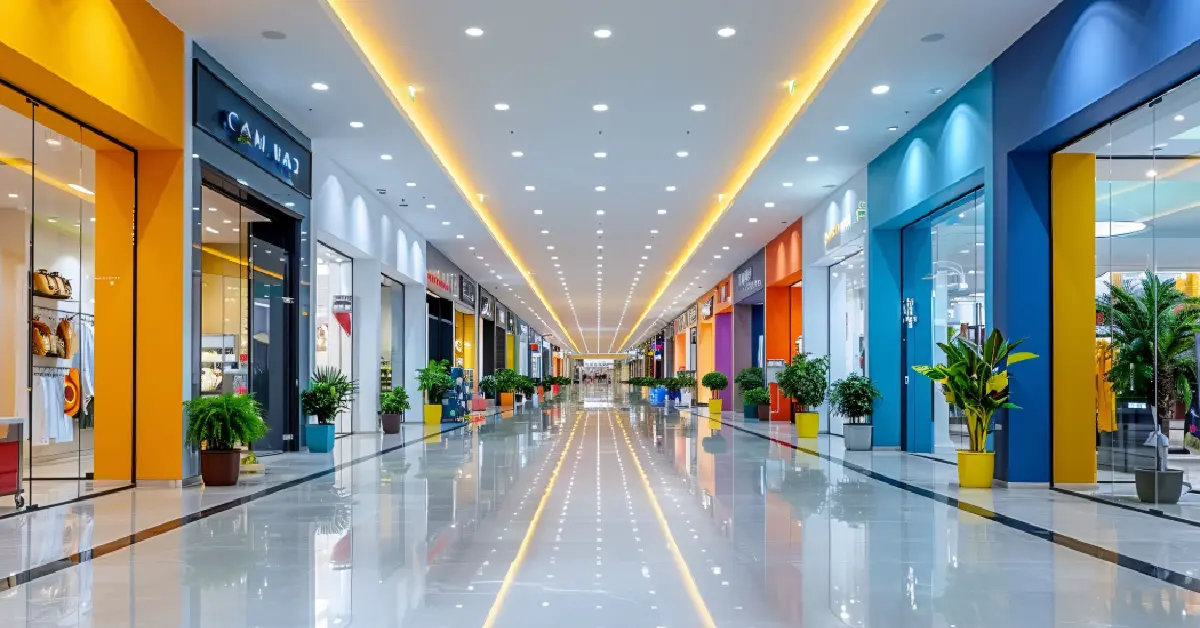
India’s retail sector evinced steady retailer demand in Q1 2026 (January to March) as gross leasing totalled to 3.1 million sq. ft. for the top seven cities. Despite a 15% quarter-on-quarter (q-o-q) moderation, there was a marginal 1% year-on-year (Y-O-Y) uptick indicative of continued resilience in the leasing momentum. Healthy demand scenario led to a 40-basis point reduction in overall mall vacancy from 12.3% to 11.9% over the previous quarter. The quarterly moderation in retail leasing is largely due to absence of sizeable new mall supply of institutional grade quality following strong mall infusion of 2.5 million sq. ft. in Q4 2025.
2025 was a redefining year for Indian retail sector as it witnessed a three-year peak in gross leasing activity. Heightened demand for retail spaces was also matched with new supply infusion of nearly 6 million sq. ft. At 12.5 million sq. ft., 2025 marked a 54% y-oy growth in annual leasing volume and we anticipate a similar demand trajectory to unfold in 2026. Influx of new foreign brands also reached a new high in 2025, and the same momentum continues till now. In the past 15 months, over 30 foreign brands entered India to capture demand across fashion, food and beverage, beauty and cosmetics and lifestyle. Few foreign brands that had shut India operations in the past, are relaunching in India with multi-city expansion plans. D2C brands, value fashion, retail space take-up by automobile players, and expansion by F&B operators were key themes that played out last year.
“India’s retail sector is navigating a pivotal transition with remarkable agility. First quarter’s 3.1 million sq. ft leasing, anchored by a 48% high street surge and domestic retailers commanding 79% market share, reflects strategic format diversification as supply constraints drive innovation. While Bengaluru and Chennai retailers pivot to established high street corridors, Delhi NCR and Hyderabad’s continued mall-centric activity underscores a critical insight: successful expansion today demands a multi-format approach balancing aspirational enclosed destinations with street-level accessibility. The fundamentals remain compelling, vacancy compression to 11.9%, entertainment’s breakthrough to second position, and 48% international brand growth signal structural strength. With 46.1 million sq. ft of institutional-grade pipeline through 2030 and demand consistently outpacing supply, we are witnessing not just resilience, but the foundation for India’s next retail real estate expansion cycle driven by rising consumption, D2C physical migration, and retailer format sophistication,” said Rahul Arora, Head – Office Leasing & Retail Services, Senior Managing Director (Karnataka, Kerala), India, JLL
Supply constraints reshape leasing patterns
The quarterly moderation stems from a temporary pause in new institutional-grade mall deliveries following Q4 2025’s robust 2.5 million sq. ft addition. With just 0.25 million sq. ft of new mall supply entering the market in Q1 2026, bringing total retail stock to 92.4 million sq. ft, occupiers pivoted toward alternative retail formats such as high streets and prime retail developments to meet expansion goals.
This supply-demand imbalance elevated high streets to the dominant leasing platform, capturing 48% of quarterly transactions, while shopping malls accounted for 40% despite limited new inventory. The shift reflects retailers’ agility in pursuing growth opportunities across multiple formats when preferred venues face availability constraints.
Mumbai, Bengaluru, Delhi NCR form the power trio
Geographic concentration intensified during the quarter, with three metros commanding more than two-thirds of national leasing activity. Mumbai led all markets with a 26% share of the city leasing pie, while Bengaluru and Delhi NCR tied for second position at 21% each. Together, these three markets represented 68% of total quarterly absorption.
Secondary markets also contributed meaningfully to national volumes. Kolkata captured 10% market share, bolstered by healthy uptake in newly inaugurated assets. Hyderabad (9%), Chennai (7%), and Pune (6%) rounded out the top seven cities with steady leasing momentum.
Market-specific dynamics revealed divergent format preferences. Delhi NCR and Hyderabad maintained shopping mall-centric activity despite the national trend toward high streets, reflecting sustained retailer appetite for premium enclosed centers in these geographies. Conversely, Bengaluru and Chennai experienced pronounced high street expansion, driven by the absence of new mall supplies over the past year, which channeled retailer demand toward established street-front locations.
Fashion leads category mix; Entertainment nudges up
Fashion & Apparel maintained its historical dominance of retailer categories in Q1 2026, though Entertainment emerged as the quarter’s breakout performer with a 16% share, claiming the second position across all categories. The entertainment segment has demonstrated consistent growth over the past three quarters, driven primarily by cinema chains’ strategic rollout of next-generation theater concepts. Cinema operators alone represented 71% of entertainment-related space absorption during this quarter.
The percentage share of cinema operator deals within the entertainment category has risen steadily year-over-year, signaling a change in how multiplexes approach market expansion and format innovation. Food & Beverage followed closely with a 15% share, underscoring the continued importance of this category in driving retail space demand.
Domestic retailers command market; Foreign brands show strong growth
Indian retailers anchored leasing activity with a commanding 79% share of quarterly volume, propelled by aggressive expansion from Direct-to-Consumer (D2C) brands. The D2C segment maintained its 7% contribution from the previous quarter as digital-native players continued translating online success into physical retail presence, particularly within fashion & apparel and jewelry segments seeking enhanced brand visibility and customer engagement.
Established international retailers demonstrated robust confidence in India’s consumption story. Well-known foreign brands recorded 48% year-on-year leasing growth, supported by sustained expansion strategies capitalizing on India’s aspirational middle class and resilient domestic consumption patterns.
Major international brands continued aggressive store rollouts during the quarter. Meanwhile, luxury retail maintained a modest presence at 0.06 million sq. ft (2% of quarterly leasing), concentrated in high-rotation categories such as handbags, watches, footwear, and accessories.
Massive pipeline positions sector for long-term growth
India’s retail leasing landscape remains structurally positioned for sustained expansion, underpinned by rising consumption from a growing middle class and accelerating retailer migration towards organized, professionally managed retail formats. Developers are focused on quality locations with retailer demand gravitating towards superior shopping malls that deliver experiential environments across entertainment, food & beverage, and lifestyle segments.
A substantial development pipeline of 46.1 million sq. ft is scheduled for delivery between 2026 and 2030 across India’s top seven cities and will provide the necessary impetus to accommodate long-term retailer expansion plans. As this institutional-grade inventory becomes operational, leasing volumes are projected to accelerate while vacancy rates continue compressing, creating favorable conditions for rental growth and attracting increased institutional capital to the sector.
The confluence of demand resilience and consumption trends positions India’s retail real estate market for a long-term growth trajectory, with Q1 2026’s performance establishing a solid foundation despite near-term supply constraints.